
So you picked up CYBERMATRIX and the first thing you noticed is that it does not play like a normal shooter.
You have a knife, the enemies have rockets, and somehow that is supposed to be a fair fight. It is, once you understand what the game actually wants from you.
CYBERMATRIX is a fast-paced first-person game built entirely around movement.
Speed and style are the whole point, and the difficulty comes from learning to flow through a level instead of stopping to think.
This guide is here to smooth out those rough opening hours.
These beginner tips will help you stop dying to the same rocket over and over and start feeling like the blade-wielding speed demon the game wants you to be.
Try the demo and tune your settings before anything else
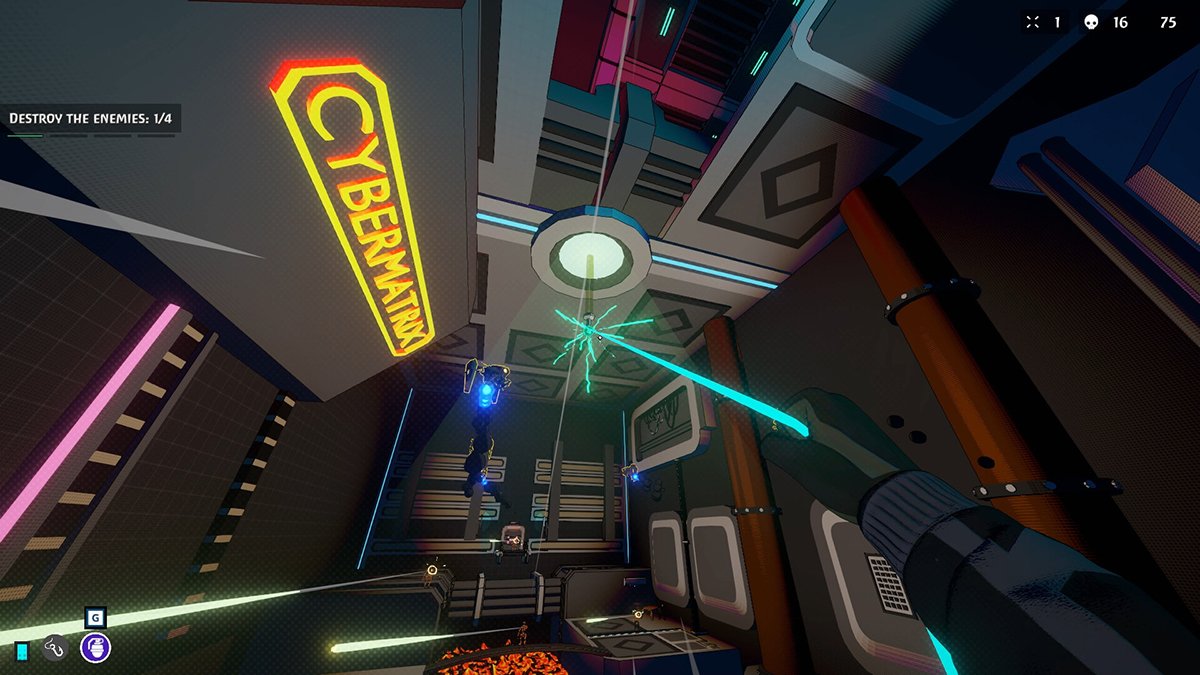
There is a free demo on Steam, and it is the best place to start. A movement game lives or dies on how it feels in your hands, so spend a few minutes there before you commit.
The most important setting to get right is mouse sensitivity. Too high and you will overshoot every turn while flying through the air, too low and you will not be able to whip the camera around fast enough to track enemies.
Find a number that lets you make a full turn comfortably without lifting your mouse off the pad three times.
Once your aim and camera feel natural, everything else in the game gets easier.
Movement is your real weapon
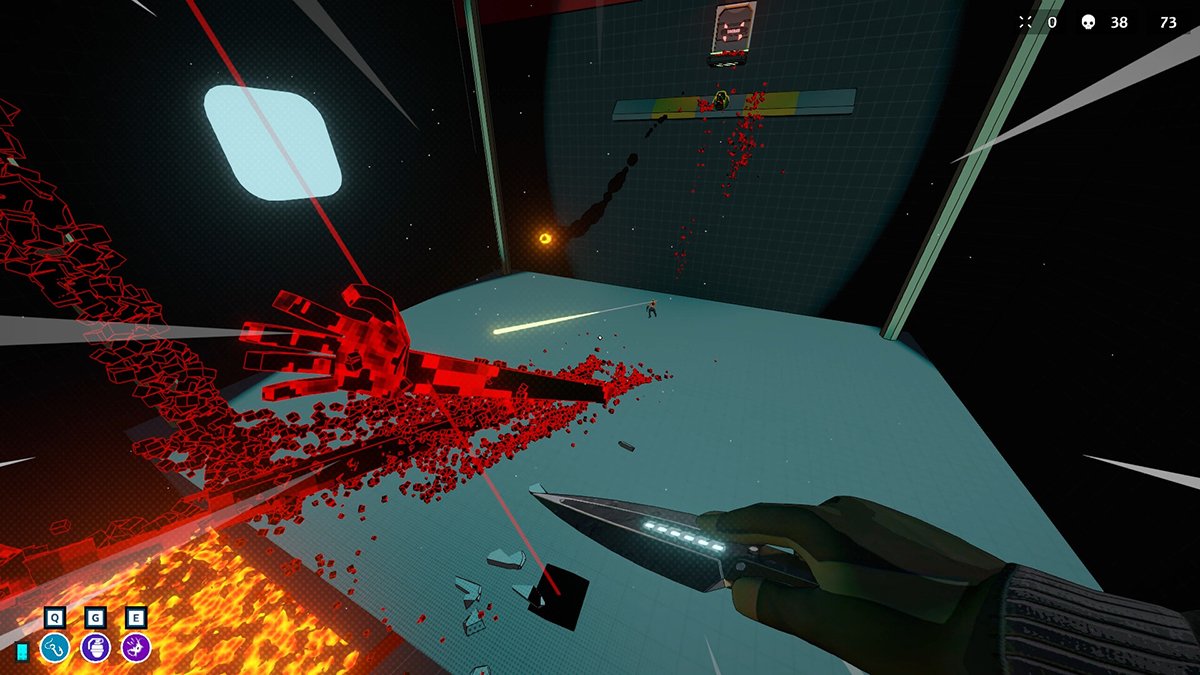
This is the single most important thing to understand about CYBERMATRIX. You survive by moving, not by trading hits.
New players treat it like a normal action game and try to stand their ground, line up a shot, and tank a little damage. That mindset will get you killed in seconds here.
Instead, think of constant motion as your default state. Your knife is for finishing the job, but your feet are what keep you alive long enough to use it.
If you ever catch yourself standing still, that is the mistake. Keep that one idea in your head and your survival rate climbs immediately.

Dodge projectiles and rockets by staying mobile
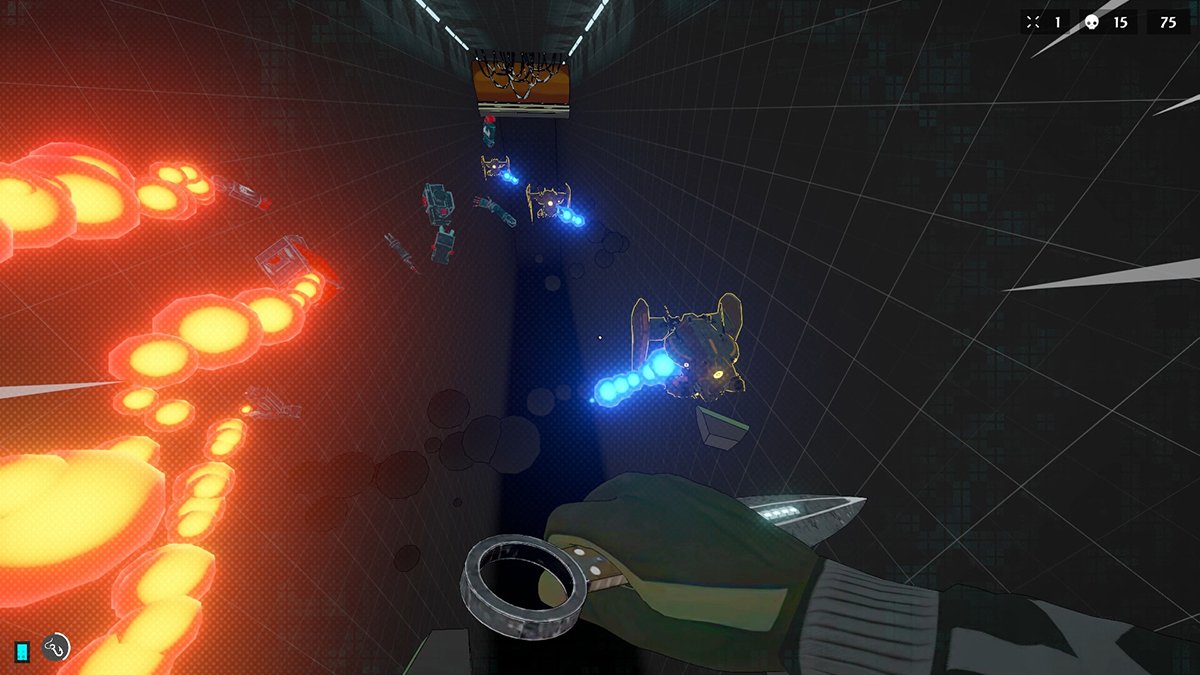
Enemies in CYBERMATRIX love to throw projectiles and rockets at you, and the game is built so you can dodge all of it through movement alone.
The trick is to keep moving sideways and unpredictably rather than reacting at the last second. A rocket that is tracking a moving target is far easier to slip than one fired at a player who freezes up.
Learn to read where shots are coming from and angle your path so you are always drifting out of the line of fire.
You do not need to dodge perfectly, you just need to never be a stationary target.
When several enemies open up at once, pick a direction and commit to it.
Weaving through crossfire feels amazing once it clicks, and it is the core skill the whole game is teaching you.
Learn everything your knife can do
Your knife is described as multifunctional, and that word matters. It is not just a melee weapon you swing at whatever gets close.
Spend time in the early levels figuring out its different uses. Experiment with how it behaves up close, at range, and while you are mid-movement, because the knife is woven into the way you traverse and fight at the same time.
Beginners who treat the blade as a simple stab button leave a lot of power on the table.
The players who look great are the ones who understand every option the knife gives them and pick the right one in the moment.
Use the environment to build up your movement
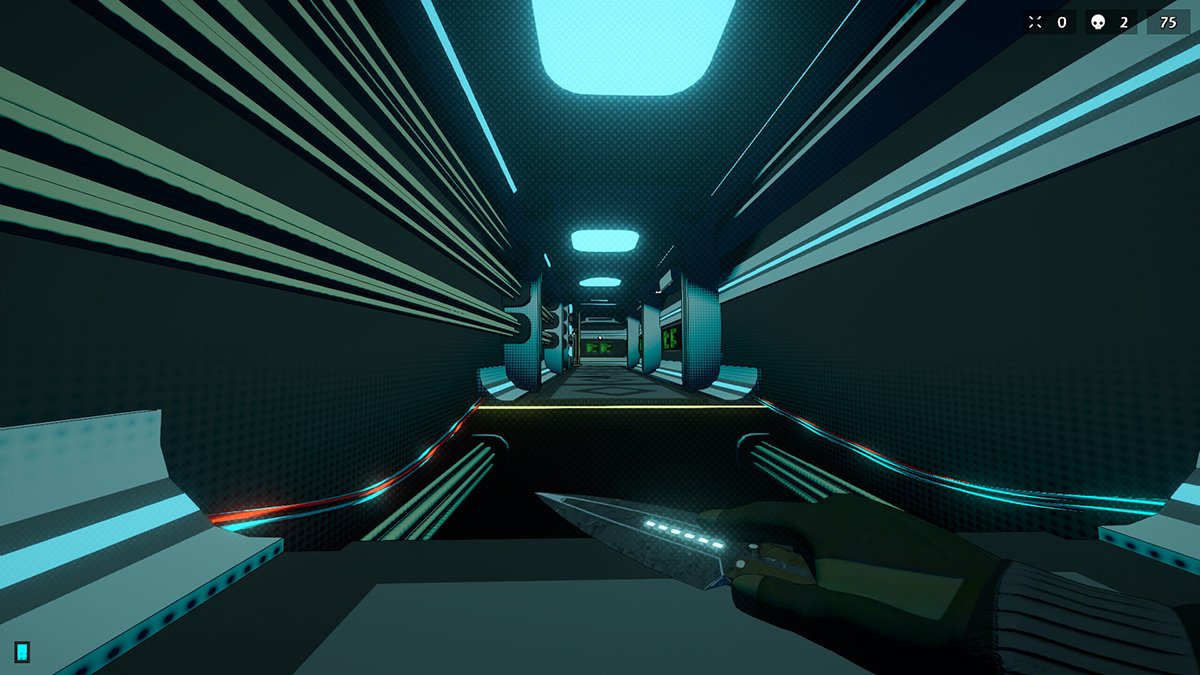
CYBERMATRIX wants you to use the level itself to get faster and reach further. The environment is not just scenery, it is a tool.
Walls, surfaces, and the geometry of each stage all feed into your momentum. Bouncing off the right surface at the right moment can carry you across a gap that would be impossible from a standstill.
Start paying attention to the shape of each room as you enter it.
Once you see levels as a series of momentum opportunities instead of obstacles, your runs get smoother and a lot more stylish.
Find the rhythm and let your movement flow
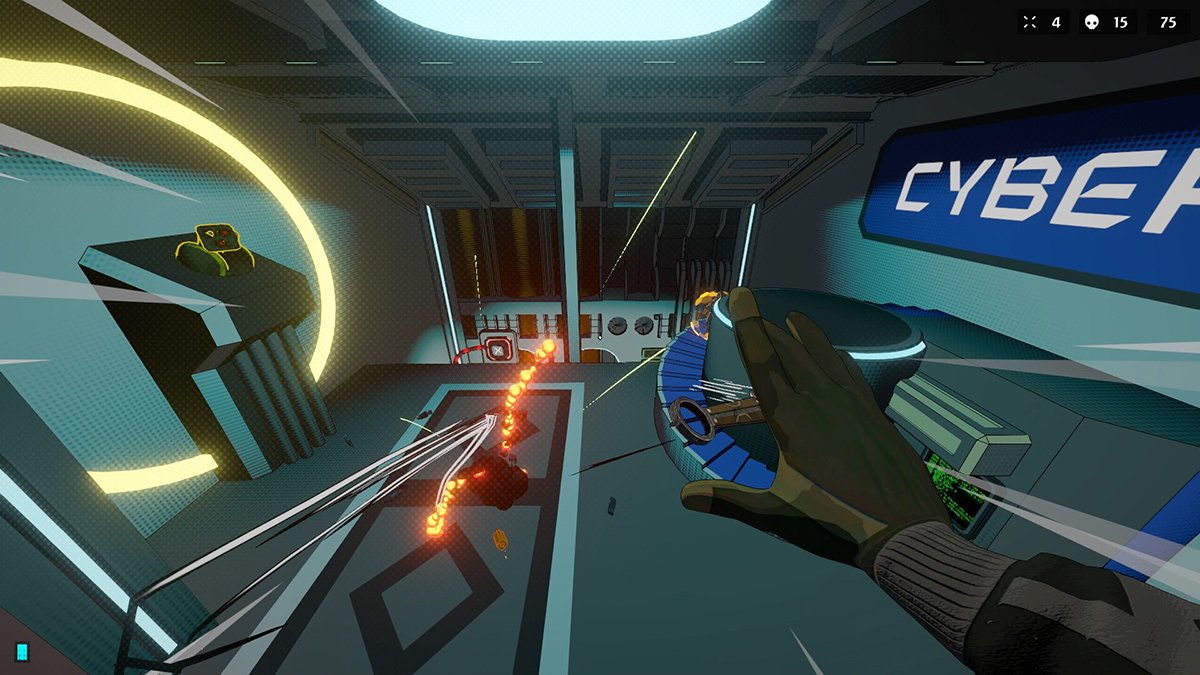
The game carries a rhythm tag for a reason. Your best runs are the ones where every action connects to the next without a hitch.
Stop-start panic is the enemy of a good run.
When you brake hard, scramble, then sprint again, you lose all the speed the game rewards and you make yourself an easy target.
Aim for a continuous flow where dodging, moving, and striking all blend together. It feels awkward at first, then one run it suddenly clicks and you understand why people love this style of game.
If you enjoy this kind of momentum-driven play, the same instinct carries over to other movement-heavy games.
Our Minishoot Adventures beginner guide leans on the same idea of clean, controlled movement under pressure.

Take new abilities one at a time
As you progress, you unlock new techniques and abilities, and the enemies get tougher to match. The game keeps handing you new toys deeper into a run.
It is tempting to try to use everything at once, but that usually leads to fumbling inputs and dying. A better approach is to focus on one new ability at a time until it feels automatic.
Get comfortable with a technique, fold it into your normal flow, then move on to the next.
Building your skills in layers like this is far less overwhelming than juggling everything from the start.
This same patience pays off in plenty of action games.
The dodging instincts you build here also translate well to projectile-heavy fights like the ones in our Pipistrello and the Cursed Yoyo guide.
Expect to die and treat every run as practice
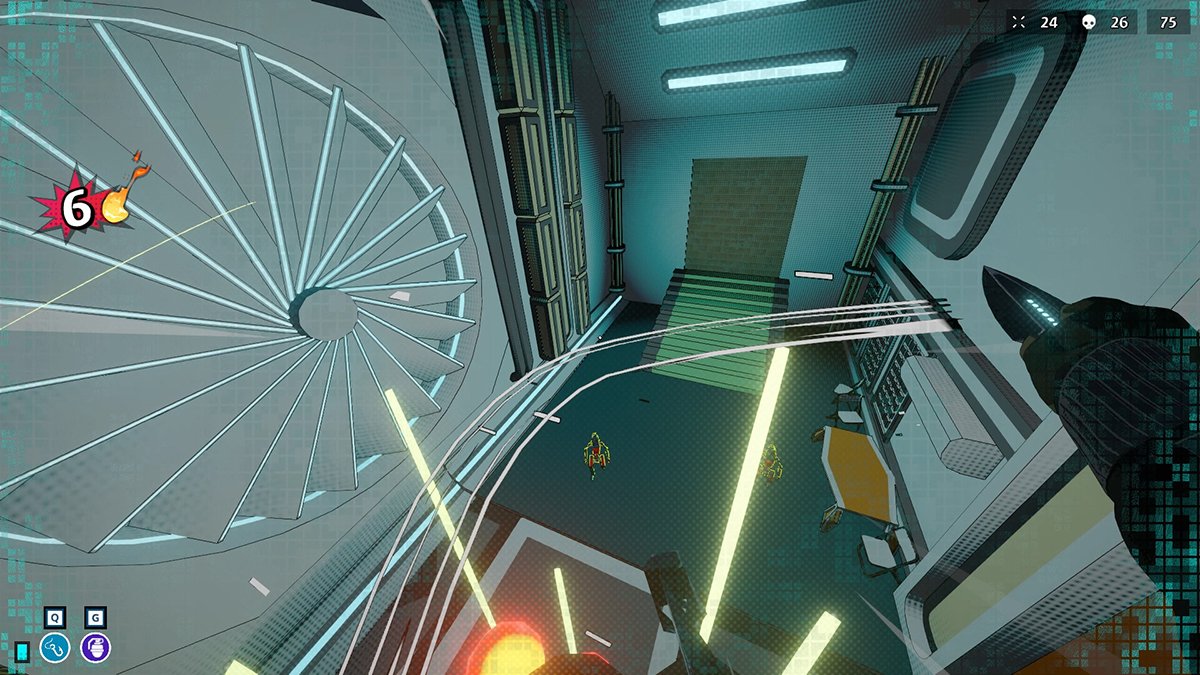
CYBERMATRIX is difficult by design, and you are going to die a lot early on. That is not you being bad, that is the game doing its job.
Every death teaches you something. You learn where enemies appear, which jumps are tricky, and which corners love to hide a rocket launcher waiting to ruin your day.
Treat each attempt as a chance to clean up one mistake from the last one.
Players who push through that early wall almost always say the same thing, which is that the game gets dramatically more fun once the fundamentals stick.
If you like that loop of learning a system through repeated runs, you will feel right at home with the roguelike pacing we cover in our Secrets of Grindea guide.
Explore challenge levels and Workshop content when you are ready
Once the basics feel solid, the game opens up.
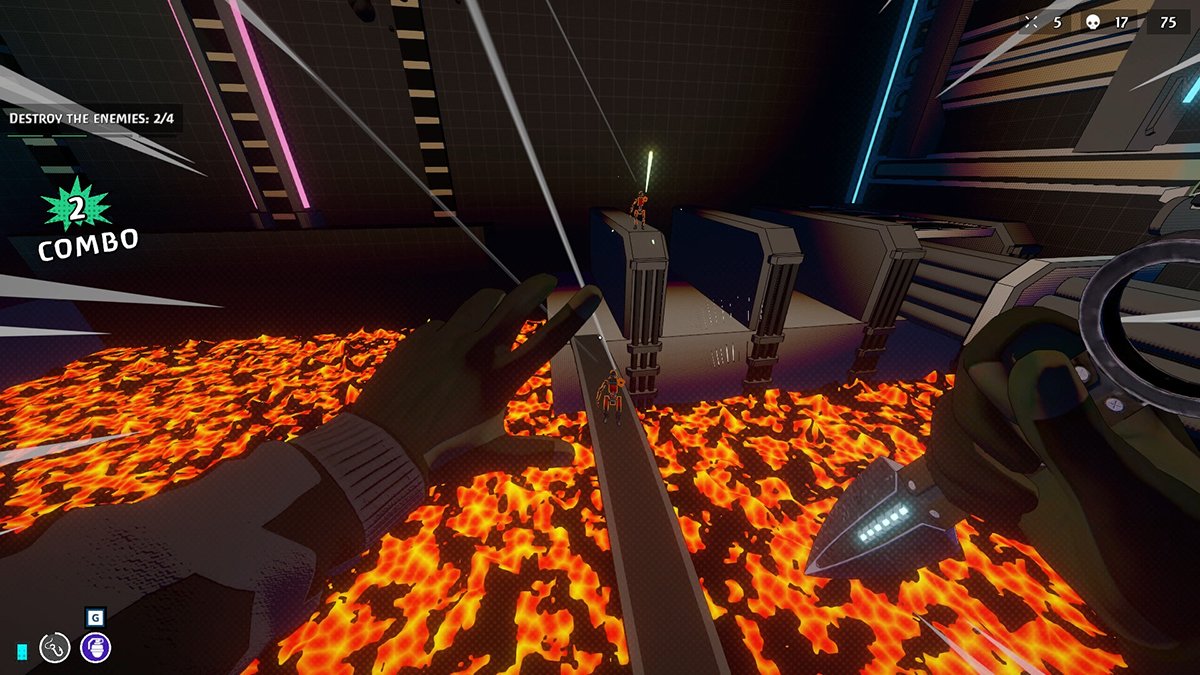
CYBERMATRIX includes challenge levels and a level editor with full Steam Workshop support.
The challenge levels are a great way to test specific skills in a focused setting. They push your movement and combat harder than the normal flow of the campaign.
The Workshop is where the game keeps growing. Community creators build their own levels, so once you have run out of official content there is a steady supply of fresh stages to throw yourself at.
Closing thoughts
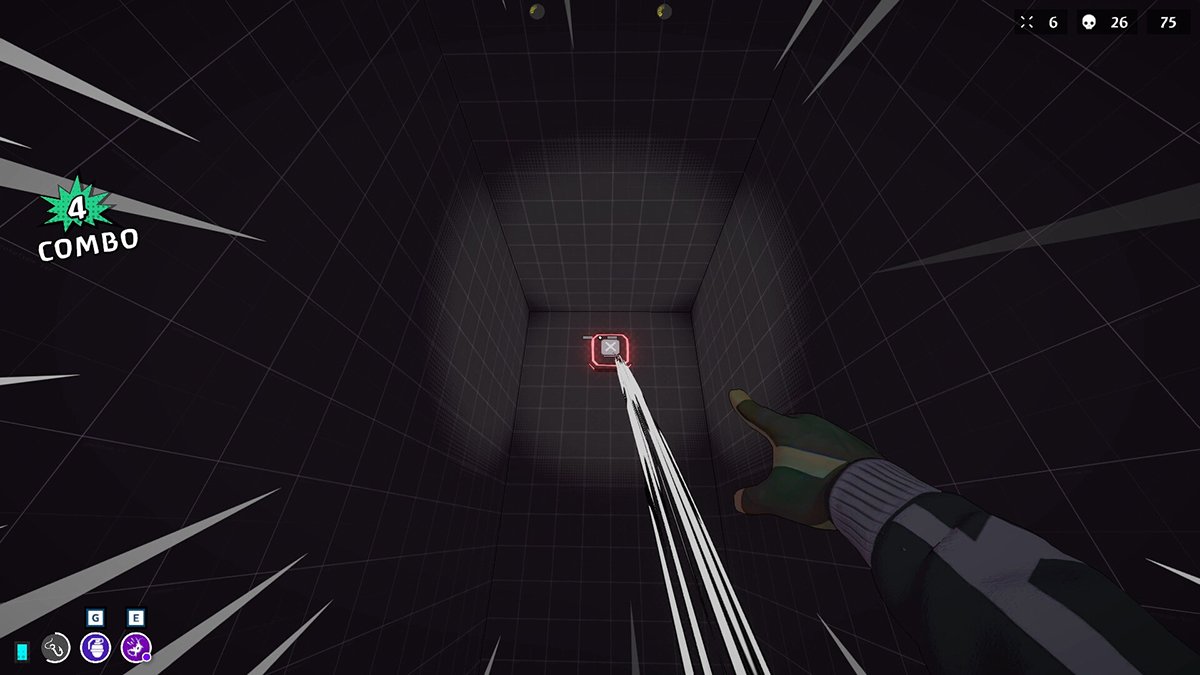
CYBERMATRIX asks you to unlearn a lot of habits from normal action games and trust your movement instead.
That shift is the hardest part, and it is also where all the fun is hiding.
Keep moving, learn what your knife can really do, and let yourself die a few hundred times while the flow sinks in.
Before long you will be slicing through rooms full of rockets and wondering why you ever stood still.
–
Images are from the CYBERMATRIX page on Steam and used under Fair Use.
Want to start your own blog, a personal website or something for your small business or side hustle? Site Ground is the absolute best web hosting company out there
You Might Also Like...
Mouse Polling Rate 1000 vs 2000 vs 8000 Explained (What It Really Changes, and What to Use)

Mouse polling rate is one of those settings that sounds insanely importan (like flipping from 1000 Hz to 8000 Hz should instantly turn you into an esports god) but in real life it’s more nuanced. If…
How to Force Borderless Fullscreen in PC Games (Every Method That Actually Works)
If you've ever tried to alt-tab out of a PC game and watched your screen freak out for a solid five seconds, you already know why borderless fullscreen mode exists. It's the sweet spot between…
How to Fix Xbox Controller Not Detected on Windows 11
So you've sat down for a gaming session, grabbed your Xbox controller, and… nothing. Windows 11 acts like it doesn't exist. No vibration, no light, no input. Don't worry, you're not alone, and this…
Japanese Rural Life Adventure: Beginner Tips You Need to Know

Japanese Rural Life Adventure has finally made the jump from Apple Arcade to Steam, and if you're a fan of cozy farming sims like Stardew Valley or Harvest Moon, this one absolutely deserves a spot…
Under the Island Tips: The Ultimate Beginner’s Guide to Seashell Island
If you're just stepping onto Seashell Island for the first time, you're in for a treat. Under the Island is a 2D top-down action-adventure that wears its classic Zelda inspiration proudly, mixing…
Retrace the Light Tips: A Beginner’s Guide With Puzzle, Combat, and Exploration Tricks

If you’re looking for Retrace the Light tips or a quick beginner’s guide to Retrace the Light, the biggest thing to know is this: the game is built around a mindset shift. It’s not just “solve…
18 Indie Games that are Better than Most AAA Major Releases
Last updated December 31, 2025. There's been a massive explosion of amazing indie games in recent years. Having an alternative to the massive AAA games is always a good thing and many of these indie…
All Unicorn Overlord Characters: Recruitment Guide, Builds, and Missables
This master post rounds up every recruitable character in Unicorn Overlord, with an alphabetical list linked to a detailed guide for each character. You’ll also find practical tips on recruiting,…
The Top 10 Nintendo 64 Games You Need to Play
The Nintendo 64 launched after the Super Nintendo in 1996 and was Nintendo's first console with fully 3D 64-bit graphics. It's one of the most famous and well-recognized systems in videogame history,…
Golden Sun Djinn Guide and Djinn Location Guide
The Djinn system in the Game Boy Advance classic, Golden Sun, introduces a novel and intricate layer to the traditional RPG formula, setting it apart from its contemporaries. This system not only…
The Top 10 Super Nintendo Games You Still Need to Play
The Super Nintendo Entertainment System (SNES) is a legendary video game console that holds a special place in the hearts of gamers around the world. Released by Nintendo in 1990 (in Japan) and 1991…