
The Tales series has been quietly putting out solid JRPGs for decades, and most of them fly under the radar next to the Final Fantasy juggernaut. I’ve played a good chunk of them, and Tales of Berseria is the one I hand people first.
It launched on PS4 and PC in early 2017, the sixteenth main entry and a prequel to Tales of Zestiria set roughly a thousand years earlier. I played it on a PS4 Pro, where it held a rock solid 60fps from the opening hour to the credits.
If you want a revenge story carried by a genuinely great cast, this is an easy game to point at. Let me walk through why it clicks.
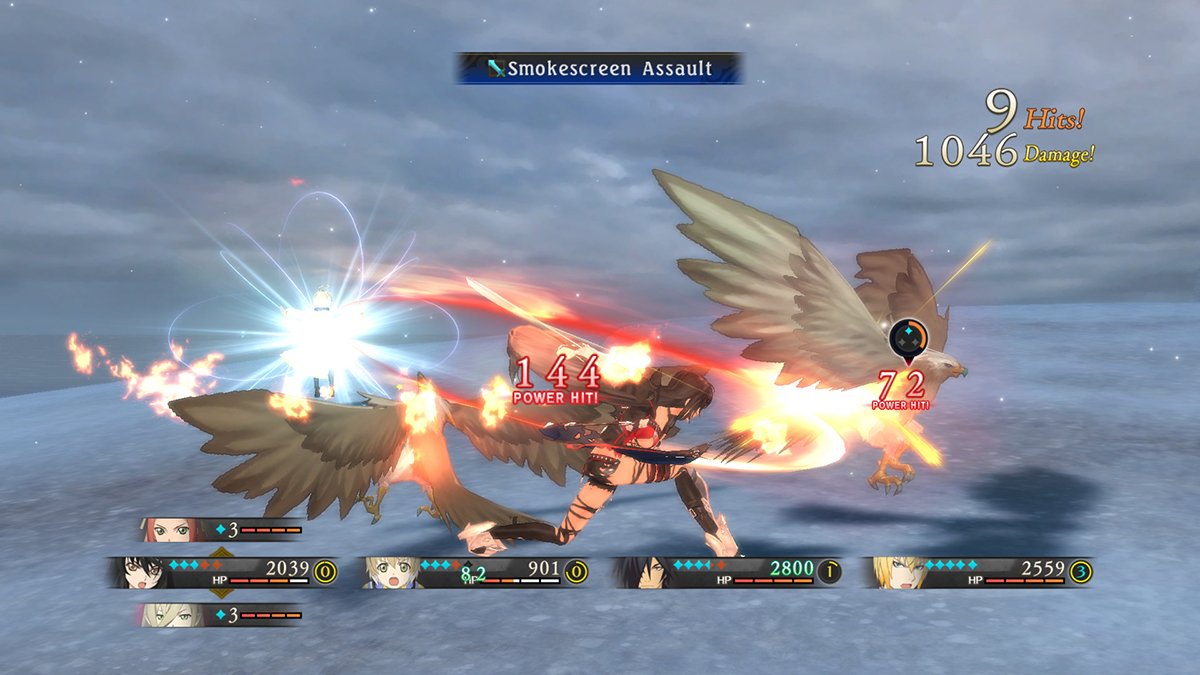
What is Tales of Berseria about?
You play as Velvet Crowe, a nineteen-year-old whose ordinary life gets torn apart when the man she trusted most sacrifices her younger brother. She spends the game hunting him down.
The world is the Holy Midgand Empire, a sprawl of islands you sail between as you chase your target across the map. It’s a fun setup for a JRPG, since you’re basically joining a pirate crew rather than the usual chosen-hero band.
Two things drive the setting. A disease called Daemonblight turns infected people into monsters, and spirit servants called malakhim are bound and used by humans for their magic.
Underneath the plot is a clean central idea: emotion versus reason. Velvet is pure emotion, all grief and fury, and the order she’s fighting against believes feelings are exactly the thing that needs to be stamped out.
What makes it land is that Velvet is not a clean hero. She does ugly things for personal reasons, and the game lets her, which is rarer in this genre than it should be.
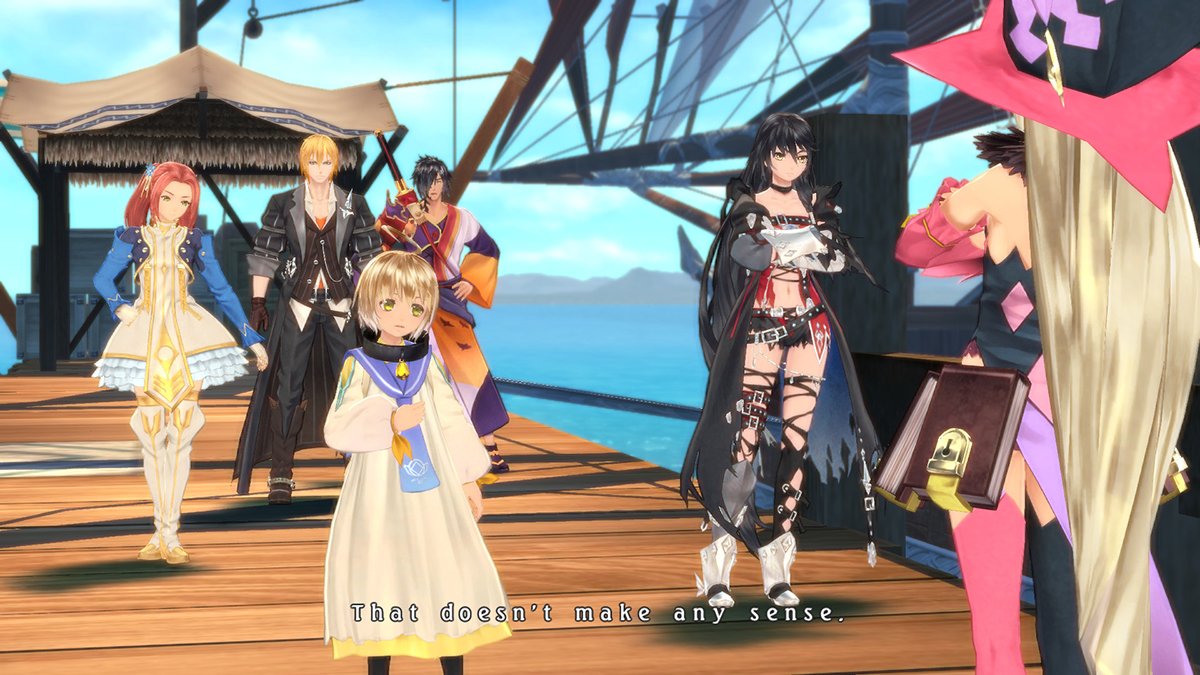
Velvet and her crew of misfits
The strongest thing any Tales game has going for it is usually the party, and Berseria has one of the best casts in the series. Six characters end up in Velvet’s orbit, and almost none of them are nice people.
There’s Rokurou, a swordsman daemon who’s mostly in it for a good fight, and Eizen, a pirate reaper with a bad-luck curse and a heavy connection to Zestiria. Magilou is the wildcard, a self-styled witch and traveling performer who’s funnier and sadder than she first appears.
Then there’s Eleanor, an earnest exorcist who joins a group of criminals against her own principles, and Laphicet, a young malak who starts out blank and slowly becomes the emotional center of the whole thing.
The reason this works is the character development. Watching Velvet soften around Laphicet, or Eleanor’s tidy black-and-white morality get complicated by the people she’s traveling with, is the actual arc of the game.
If you liked the way a big ensemble carries a story in something like Ni no Kuni 2, you’ll feel right at home here. Berseria pulls off a similar trick with a smaller, sharper group.
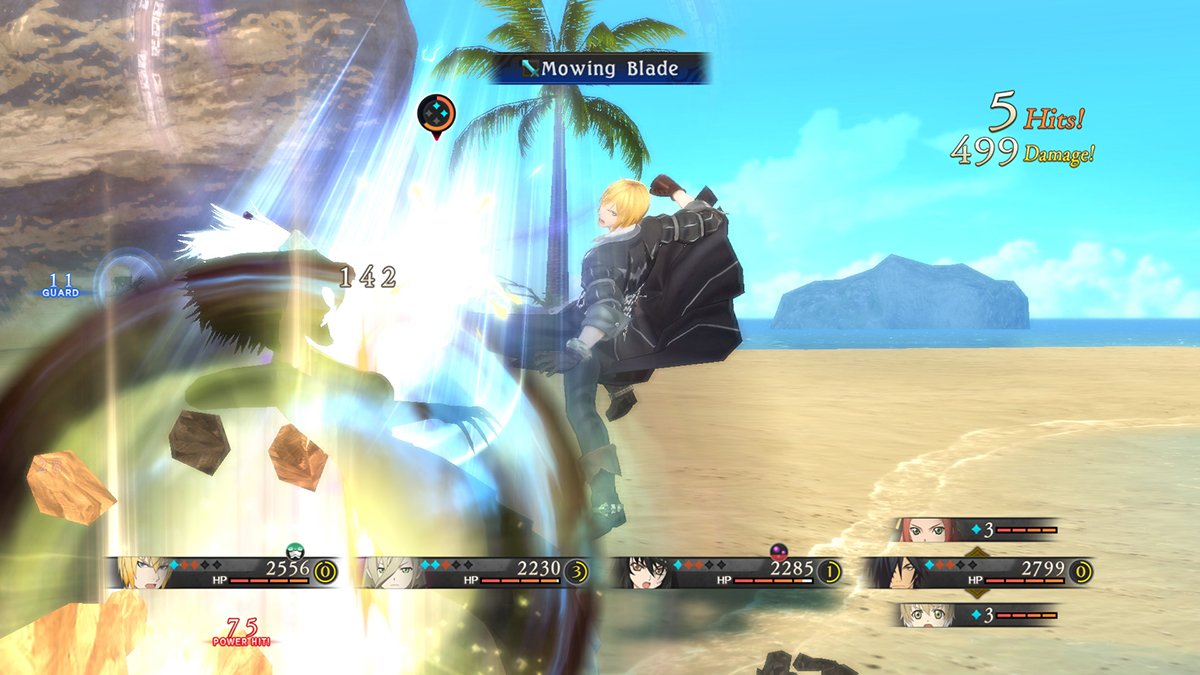
Skits are the secret weapon
If you’ve never played a Tales game, the skits are the thing to understand. They’re short optional conversations between party members that pop up as you play, shown with character portraits and voice acting.
They’re where most of the personality lives. The main story handles the revenge plot, but the skits are where you learn that Rokurou is a lightweight, that Magilou is needling everyone, that Eizen and Laphicet are quietly bonding.
Berseria added a cut-in effect to the skit system, where characters strike little poses that react to the dialogue. It’s a small touch that makes the exchanges feel more animated and less like static talking heads.
I’d tell any newcomer to actually stop and watch these. Skip them and you’re skipping the best-written part of the game, and you’ll wonder why everyone loves this cast so much.
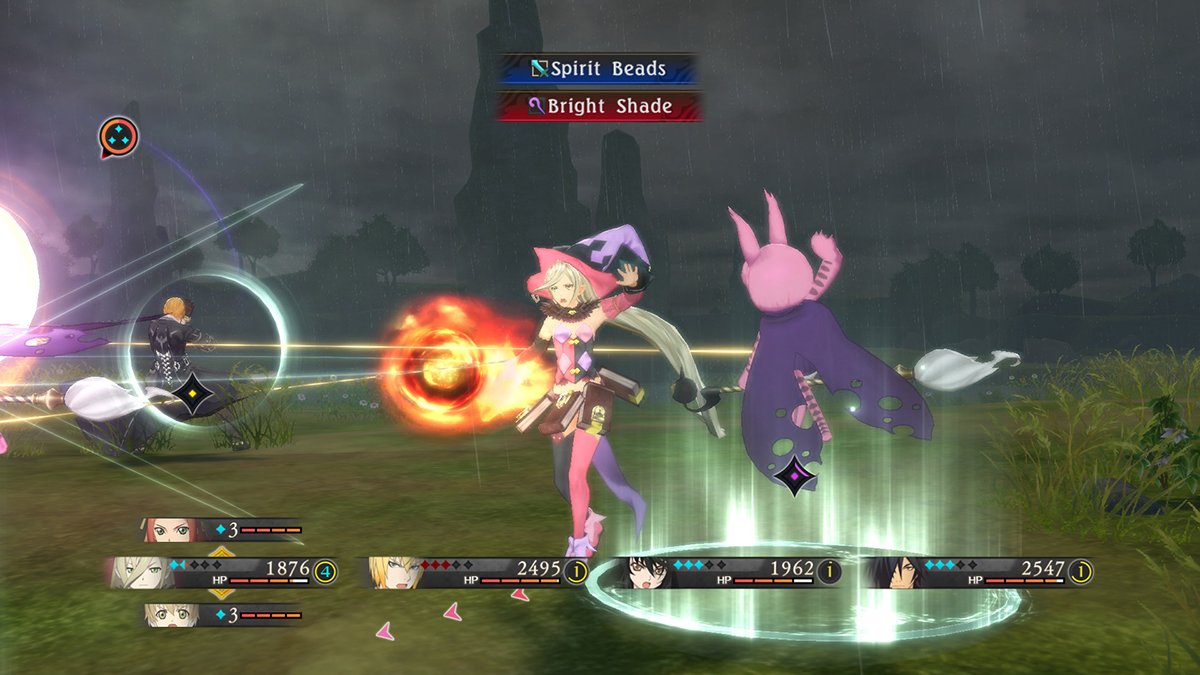
Combat that just clicks
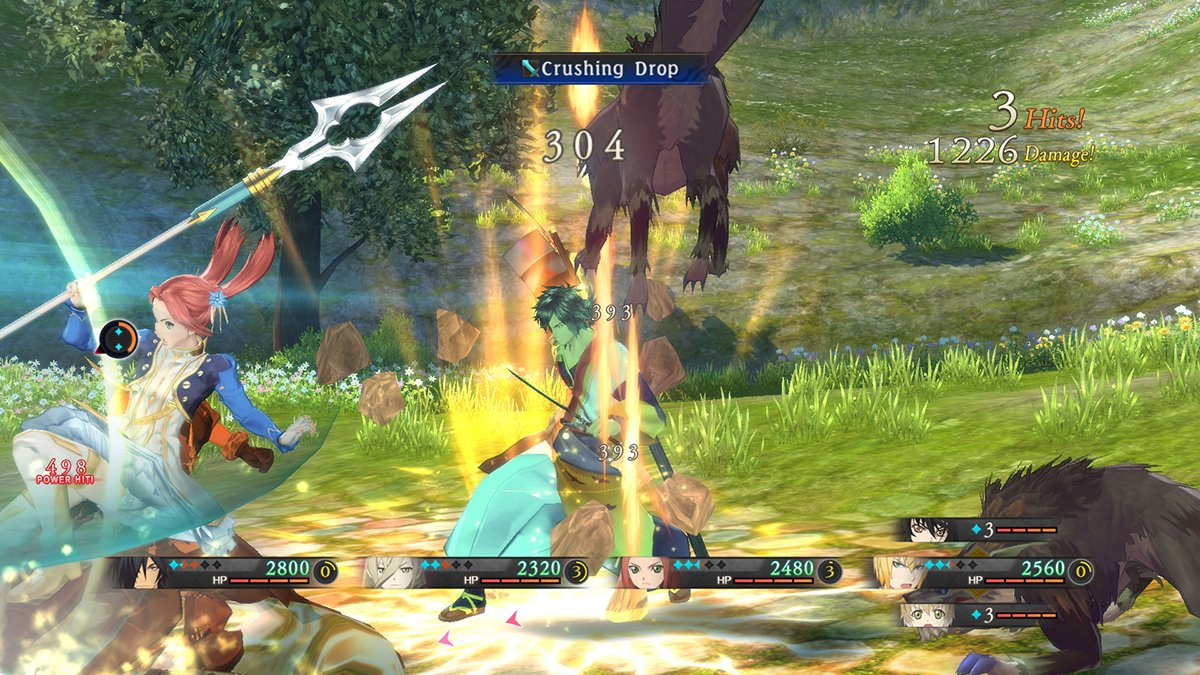
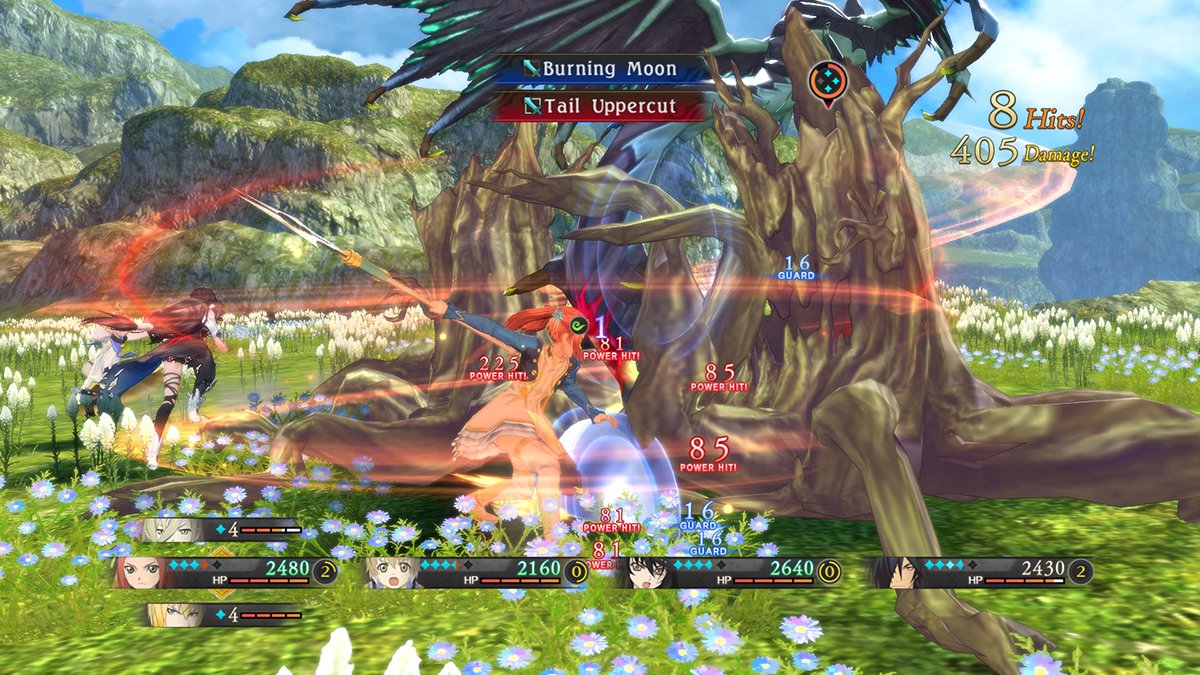
Tales games run on real-time action combat, not turn-based menus, and Berseria uses a version called the Liberation-LMBS. You move freely around the battle arena and swing the camera wherever you want.
The best part is how it hands you combos. You can map special moves, called artes, to all four face buttons, then chain them into long strings that you build yourself.
Instead of a rigid mana bar, attacks run on a Soul Gauge. You earn souls by landing hits and staggering enemies, spend them to keep comboing, and stealing an enemy’s soul to extend your assault feels great every time.
Fill the gauge and you can trigger a Break Soul, a character-specific move that opens up even bigger damage. It gives fights a nice push-and-pull where you’re always fishing for that opening.
It’s not the most precise action combat out there, closer to controlled chaos than something like Stranger of Paradise, but it’s fast and satisfying once it opens up. The one honest knock is that battles can get repetitive over a long playthrough.
Music and voices
The soundtrack is by Motoi Sakuraba, a Tales series regular, and it does the job well across the battle themes and quieter town music. The opening song, BURN by the band FLOW, is a great hook and sets the tone before you even hit the menu.
Here’s my strong recommendation: play it with the Japanese voice acting. The dual audio is right there in the options, and the Japanese cast, with Rina Satou as Velvet, is a clear step up.
The English dub is fine and does the job if that’s your preference. But the Japanese performances have more bite in the emotional scenes, and Velvet in particular hits harder in her original voice.
How it looks and how it runs
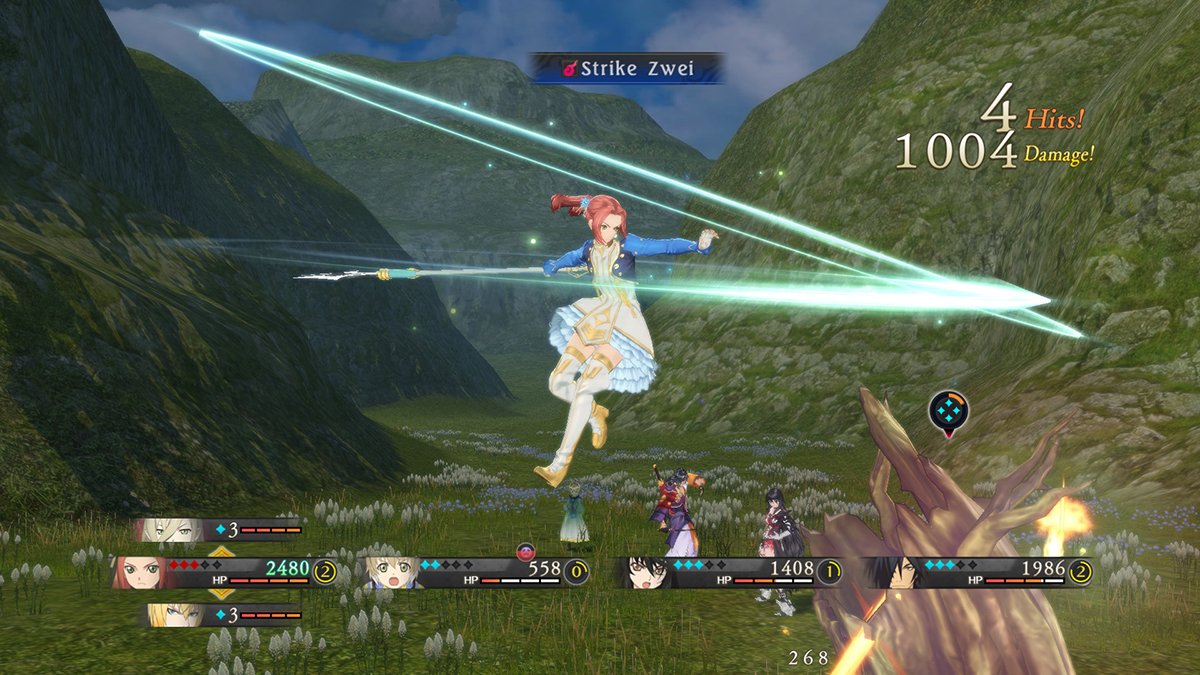
Let’s be upfront about budget. Berseria is a lower-budget JRPG than a mainline Final Fantasy, and you can see it in some plain environment textures and reused areas.
If you come to the Tales series expecting that, it’s a non-issue, and honestly it’s part of the deal. What the budget goes toward is character art and animation, and that’s where it counts.
The anime cutscenes are handled by ufotable, the studio behind a lot of gorgeous anime, and they’re the visual highlight. The character designs from Mutsumi Inomata and the rest of the team give everyone a strong, readable look.
On my PS4 Pro it ran beautifully at a steady 60fps, which matters a lot in an action combat game where you’re reading enemy timings. If you’re coming to it fresh, a remastered version landed in early 2026 for PS5, Xbox Series, Switch and PC with some quality-of-life additions.
The verdict
Tales of Berseria is one of the best games in a long-running series, and a great starting point if you’ve never touched a Tales title. It doesn’t need you to have played any of the others first.
The revenge plot gives it a darker, more focused spine than most of its siblings, and the cast is the kind you actually miss when the credits roll. The skits and the character writing are the reason I keep recommending it over flashier games.
It won’t be for everyone. If you need cutting-edge visuals or you bounce off busy real-time combat, this might not win you over, and the encounter grind is real.
But if you’re here for a strong story, a party you’ll get attached to, and a battle system that’s a blast once it opens up, Velvet’s journey is worth taking. Grab the dual audio, switch to Japanese, and enjoy it.
–
Images are from the Tales of Berseria page on Steam and used under Fair Use.
Want to start your own blog, a personal website or something for your small business or side hustle? Site Ground is the absolute best web hosting company out there
You Might Also Like...
Mouse Polling Rate 1000 vs 2000 vs 8000 Explained (What It Really Changes, and What to Use)

Mouse polling rate is one of those settings that sounds insanely importan (like flipping from 1000 Hz to 8000 Hz should instantly turn you into an esports god) but in real life it’s more nuanced. If…
How to Force Borderless Fullscreen in PC Games (Every Method That Actually Works)
If you've ever tried to alt-tab out of a PC game and watched your screen freak out for a solid five seconds, you already know why borderless fullscreen mode exists. It's the sweet spot between…
How to Fix Xbox Controller Not Detected on Windows 11
So you've sat down for a gaming session, grabbed your Xbox controller, and… nothing. Windows 11 acts like it doesn't exist. No vibration, no light, no input. Don't worry, you're not alone, and this…
Japanese Rural Life Adventure: Beginner Tips You Need to Know

Japanese Rural Life Adventure has finally made the jump from Apple Arcade to Steam, and if you're a fan of cozy farming sims like Stardew Valley or Harvest Moon, this one absolutely deserves a spot…
Under the Island Tips: The Ultimate Beginner’s Guide to Seashell Island
If you're just stepping onto Seashell Island for the first time, you're in for a treat. Under the Island is a 2D top-down action-adventure that wears its classic Zelda inspiration proudly, mixing…
Retrace the Light Tips: A Beginner’s Guide With Puzzle, Combat, and Exploration Tricks

If you’re looking for Retrace the Light tips or a quick beginner’s guide to Retrace the Light, the biggest thing to know is this: the game is built around a mindset shift. It’s not just “solve…
18 Indie Games that are Better than Most AAA Major Releases
Last updated December 31, 2025. There's been a massive explosion of amazing indie games in recent years. Having an alternative to the massive AAA games is always a good thing and many of these indie…
All Unicorn Overlord Characters: Recruitment Guide, Builds, and Missables
This master post rounds up every recruitable character in Unicorn Overlord, with an alphabetical list linked to a detailed guide for each character. You’ll also find practical tips on recruiting,…
The Top 10 Nintendo 64 Games You Need to Play
The Nintendo 64 launched after the Super Nintendo in 1996 and was Nintendo's first console with fully 3D 64-bit graphics. It's one of the most famous and well-recognized systems in videogame history,…
Golden Sun Djinn Guide and Djinn Location Guide
The Djinn system in the Game Boy Advance classic, Golden Sun, introduces a novel and intricate layer to the traditional RPG formula, setting it apart from its contemporaries. This system not only…
The Top 10 Super Nintendo Games You Still Need to Play
The Super Nintendo Entertainment System (SNES) is a legendary video game console that holds a special place in the hearts of gamers around the world. Released by Nintendo in 1990 (in Japan) and 1991…