
Tales of Wakana landed on June 15, 2026, and it is a charming pixel-art Metroidvania that never takes itself too seriously.
You play as Princess Dian, hunting for the Courage Gems across a big connected world packed with monsters, traps, and hidden rooms.
The game proudly calls itself a “Galaxy Castlevania,” which is its way of saying Metroid-style exploration mixed with Castlevania-style action combat. It is colorful, a little goofy, and surprisingly tough once the bosses show up.
If you’re just getting into the game these Tales of Wakana tips will help you find your footing before the difficulty ramps up.
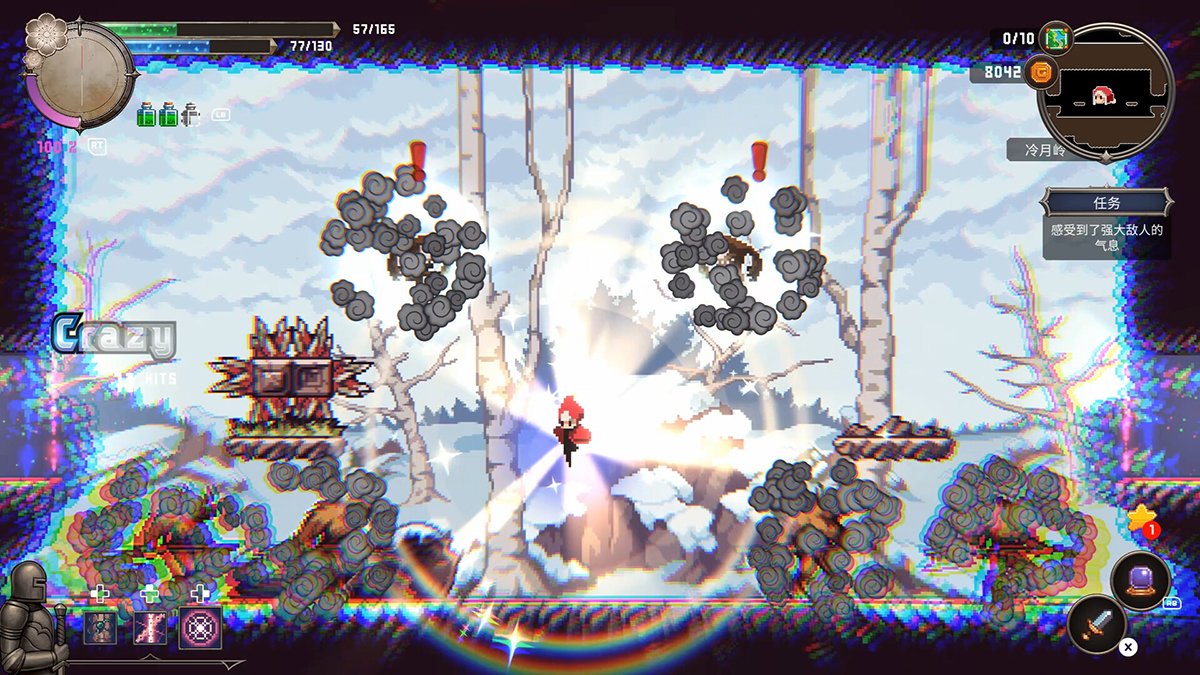
What kind of game is Tales of Wakana?
At its core, this is an exploration-first action-adventure. You move through a large interconnected map, unlock new abilities, and use those abilities to reach areas you could not get to before.
The main story runs about 6 to 9 hours, with 14 main levels to clear. If you chase the side content, expect to put in a good deal more.
There is a lot stuffed in here, including 45 side quests, over 120 enemy types, and 27 boss fights. The variety is part of the charm, so go in expecting platforming, puzzles, and the occasional oddball challenge section.
One thing to know early: the combat is friendly at first but the boss fights have real teeth. Treat the opening hours as practice time.
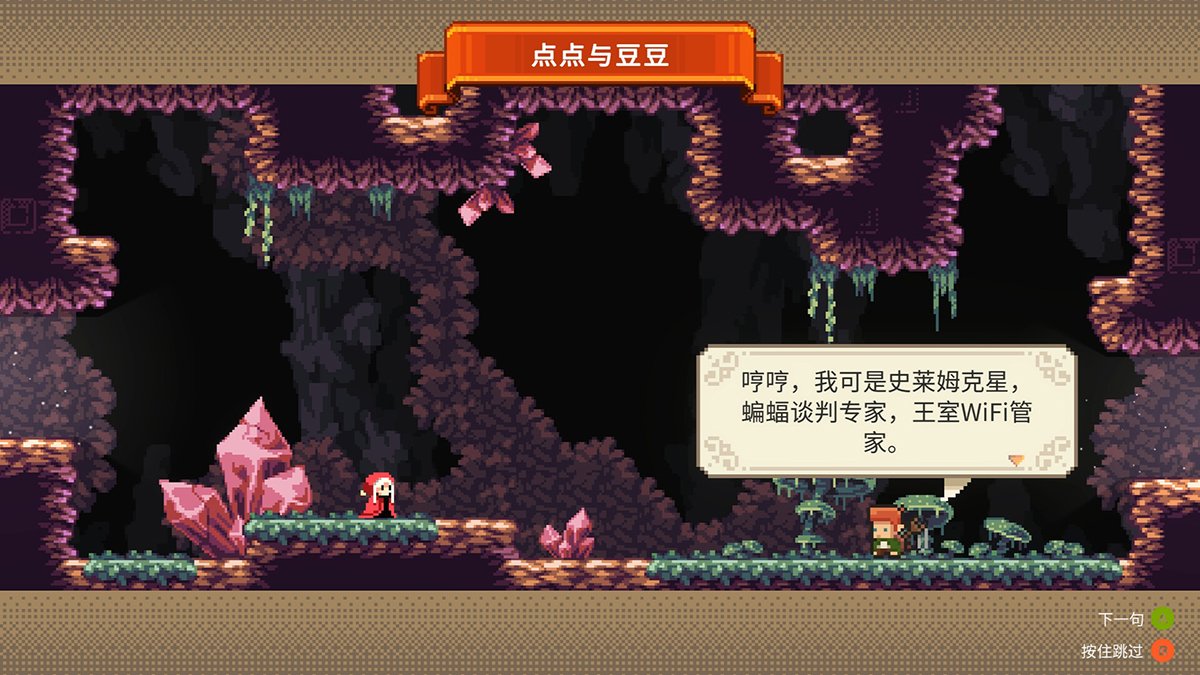
Play with a controller if you can
Tales of Wakana has full controller support, and it plays like a game that was built with a gamepad in mind. The platforming, dodging, and magic-swapping all feel more natural on a controller than on keyboard.
If you are on Steam, the built-in Steam Input setup works without any fuss. Plug in, confirm your layout, and you are good to go.
Keyboard players can absolutely finish the game, but precise jumps and quick element switches are where a controller really pulls ahead.
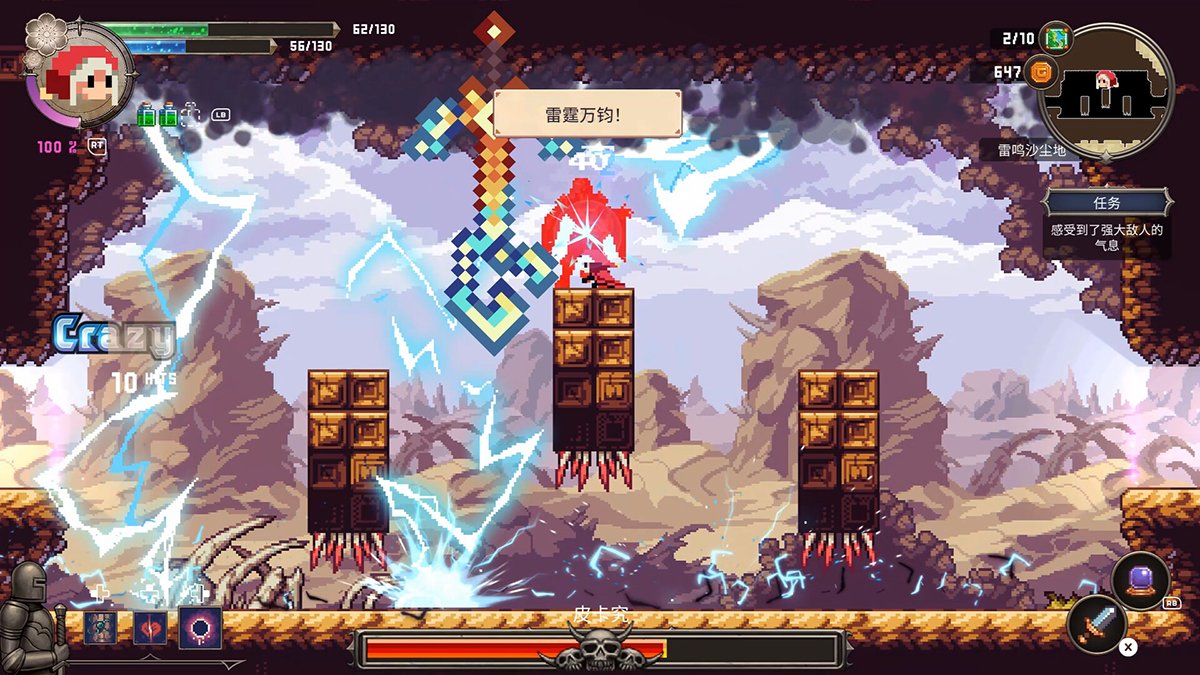
Learn your three elements: ice, lightning, and wind
Your magic is the heart of combat, and you get three elements to work with. Each one does something distinct, so the trick is matching the element to the situation.
Ice freezes enemies in place. This is your crowd-control tool, and it buys you safe windows to heal, reposition, or line up a big hit.
Lightning chains between enemies that are bunched together. When a room throws a pack of monsters at you, electricity clears them out fast.
Wind shoves enemies away from you. Use it to create breathing room when something gets in your face, or to reset a fight that is going sideways.
You will eventually have a dozen magic skills to mix and match across those branches. Get comfortable swapping elements mid-fight early, because the bosses will demand it later.
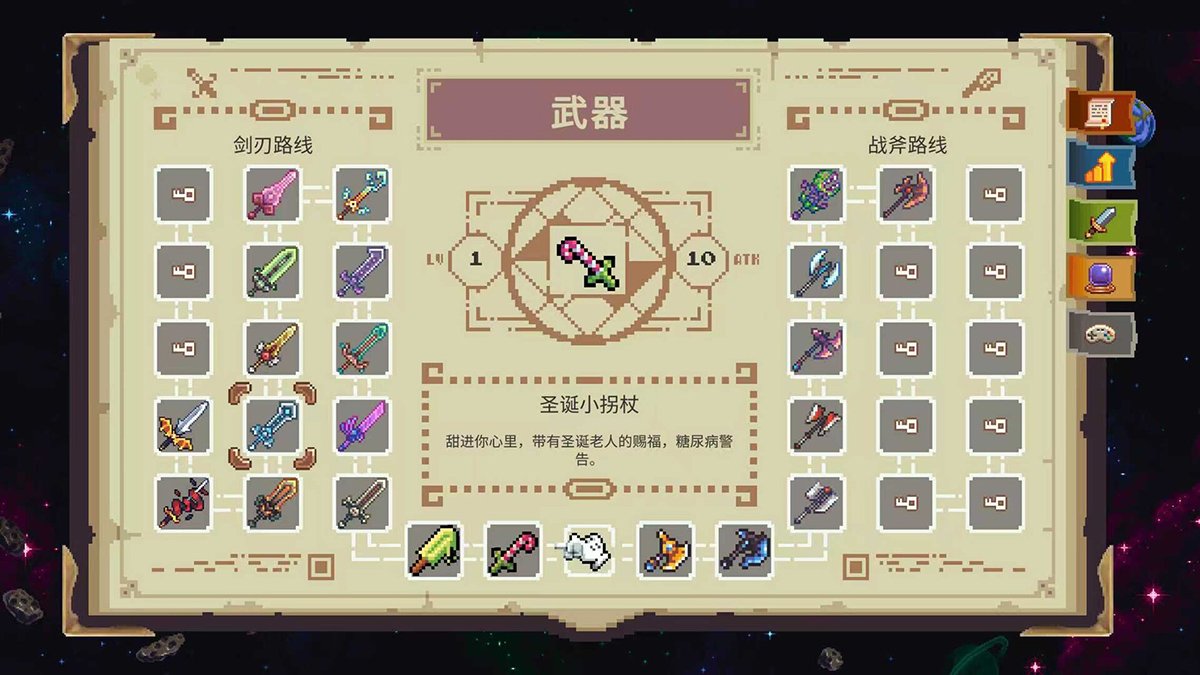
Swords or axes: picking your weapon style
On the melee side you choose between two weapon paths, and they feel genuinely different. Picking one that matches your playstyle makes the whole game smoother.
Dual swords are the balanced option. They swing fast with a solid speed-to-damage ratio, which makes them forgiving and easy to combo.
Dual axes hit much harder but swing slower. They reward patience and good timing, since a whiffed heavy swing leaves you open.
For a first playthrough, swords are the safer pick while you learn enemy patterns.
You can invest in both eventually, but upgrade resources are limited in a single run, so leaning into one style first is smart.
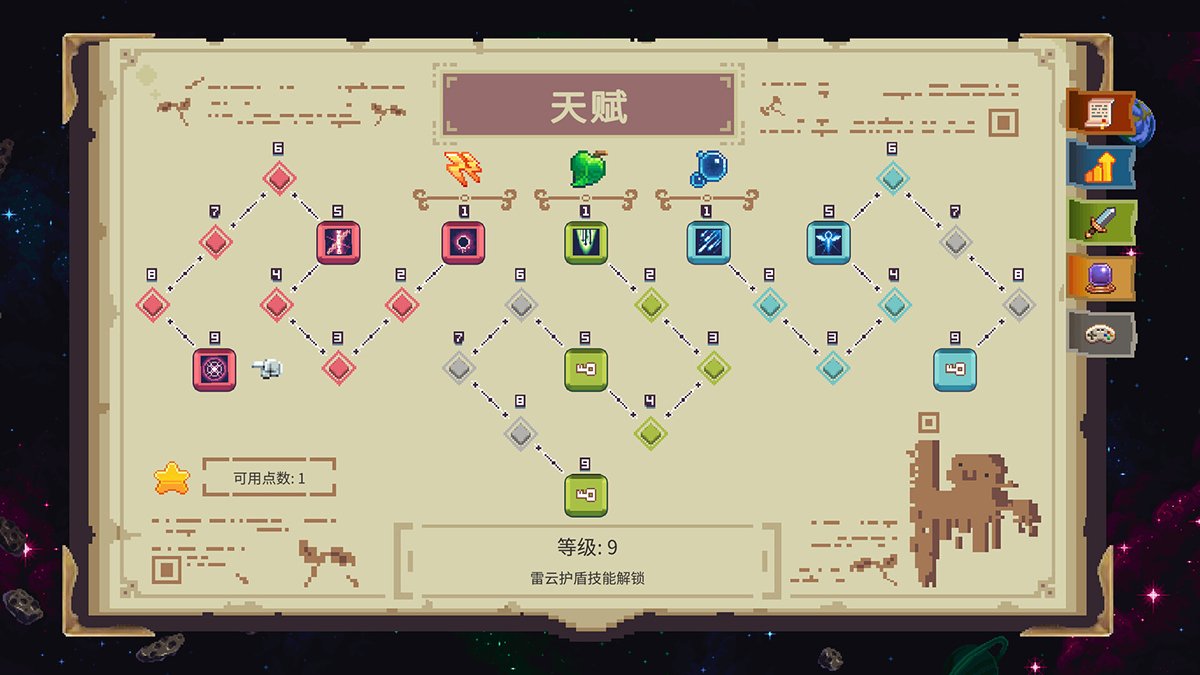
Spend your gold freely and upgrade smart
Head to the Adventurer Camp from the main overworld map. That is your hub for shops, supplies, and the smith who upgrades your gear.
You boost your weapons using Enhancement Stars, which crank up your damage and combat power. Pour these into your chosen weapon style rather than spreading them thin.
Here is a quirk worth knowing: money stops mattering pretty quickly. You can practically buy out the early shops, so there is no reason to hoard gold.
Grab the consumables and upgrades you want as soon as you can afford them. Saving up “for later” just leaves you weaker in fights you could have won.
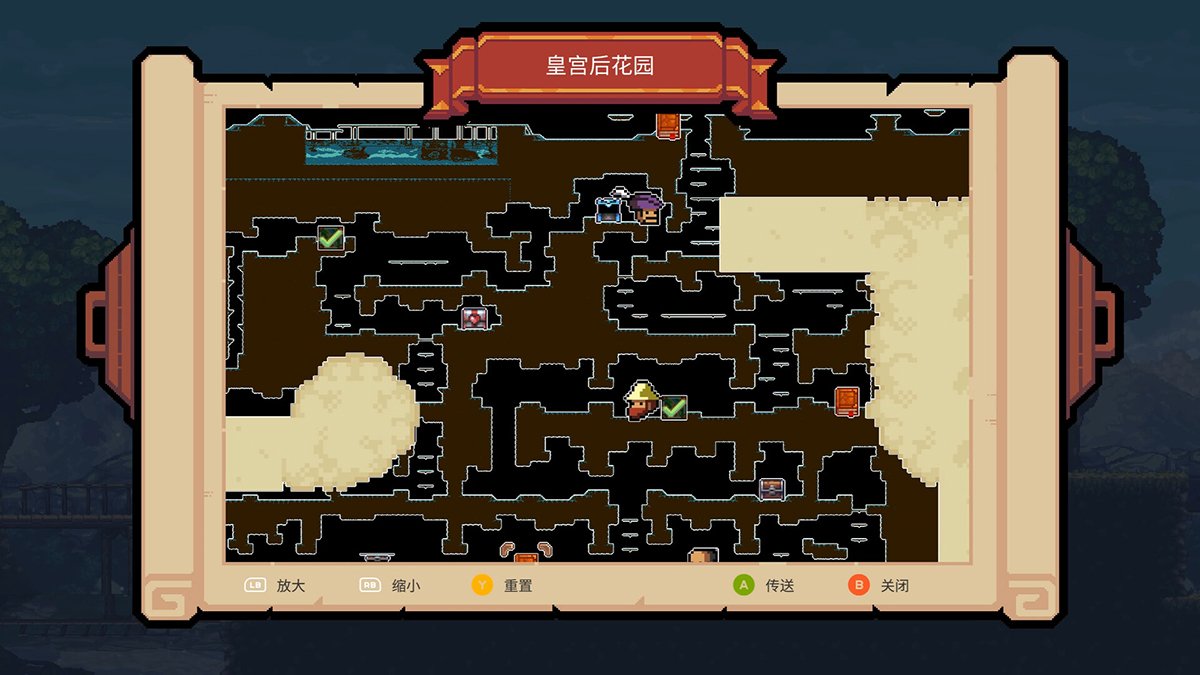
Use the map and fast travel to skip the slog
The in-game map is one of the best things about Wakana. It lays out areas in detail and even marks items you have not picked up yet.
Check it often. Those uncollected-item markers are your roadmap to upgrades, secrets, and quest items you might have walked right past.
You can also teleport between save points, which saves you from tedious backtracking across the whole continent. Use this constantly once you have a few save points unlocked.
When you are deciding where to go next, let the map’s blank spots and unclaimed markers guide you. The game gives light quest direction, but it still expects you to explore on your own.
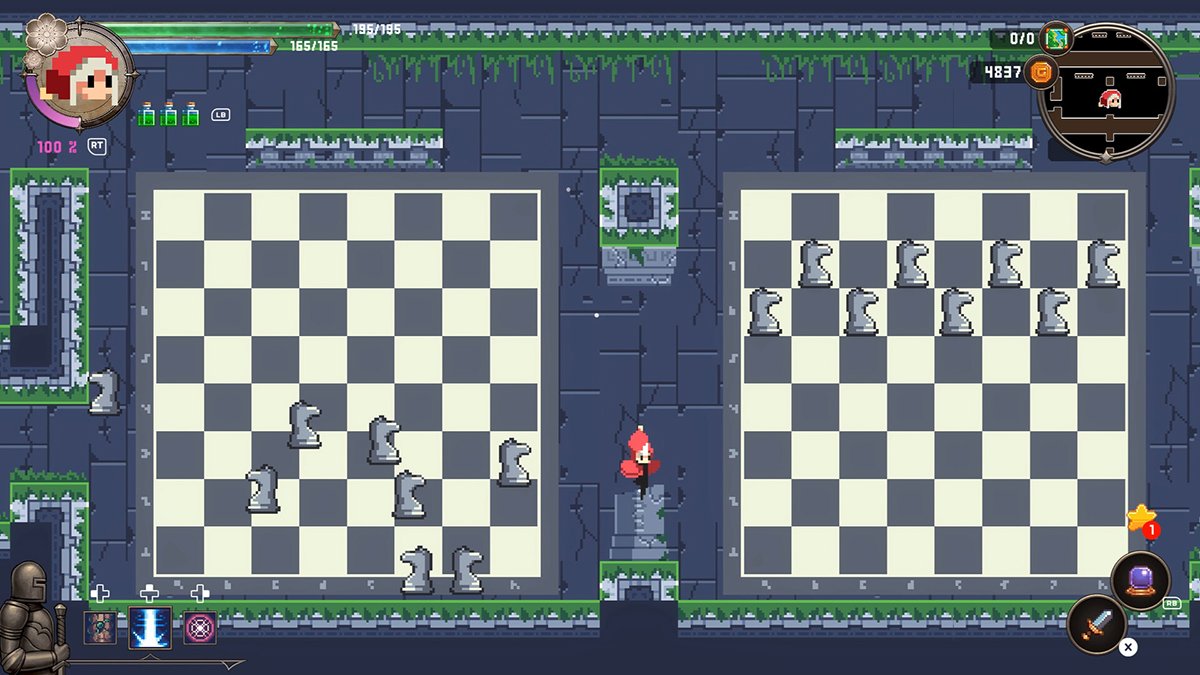
Explore everything, then come back later
This is a Metroidvania, so your first pass through an area is never the full story. Walls you cannot break and ledges you cannot reach are usually puzzles for later, not dead ends.
As you unlock new spells and abilities, old zones open up. Make a mental note of anything blocked, then return once you have the right tool.
Many hidden rooms require combining your elemental magic in specific ways, so experiment when something looks suspicious.
A wall that seems a little too plain is often hiding a treasure.
If you enjoy this kind of “go back with new powers” design, our Pipistrello and the Cursed Yoyo guide covers the same backtracking mindset for another great indie pick.
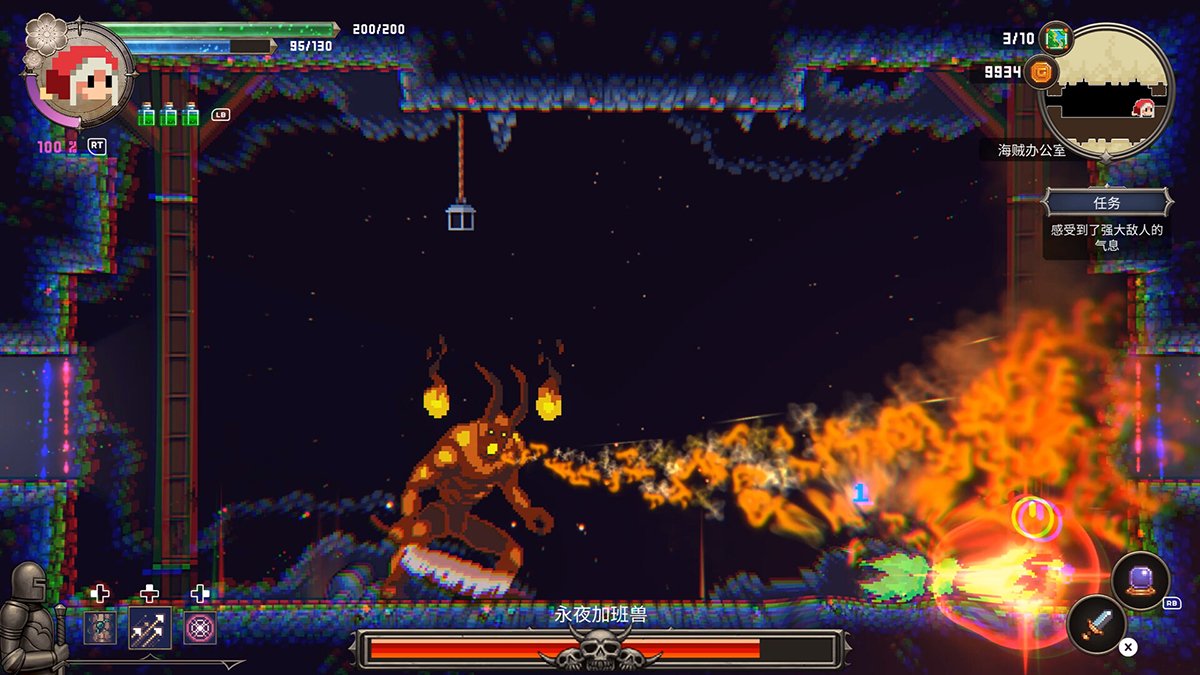
Beating bosses: read the patterns, match the element
The 27 boss fights are where Tales of Wakana stops holding your hand. Each boss has its own mechanics, and brute force will not carry you far.
Your first goal in any boss fight is to learn the attack pattern. Spend the opening moments dodging and watching rather than swinging wildly.
Then match your element to the fight. A boss that leans on grouped adds might melt to lightning, a fast flyer can be disrupted with wind, and ice can lock down a heavy hitter long enough to land your combos.
Keep moving, keep your distance when you need to, and do not panic-mash attacks. Positioning and patience win these fights, the same way they do in tougher 2D action games like the ones we cover in our Crimson Capes beginner’s guide.
Don’t skip the side quests and NPCs
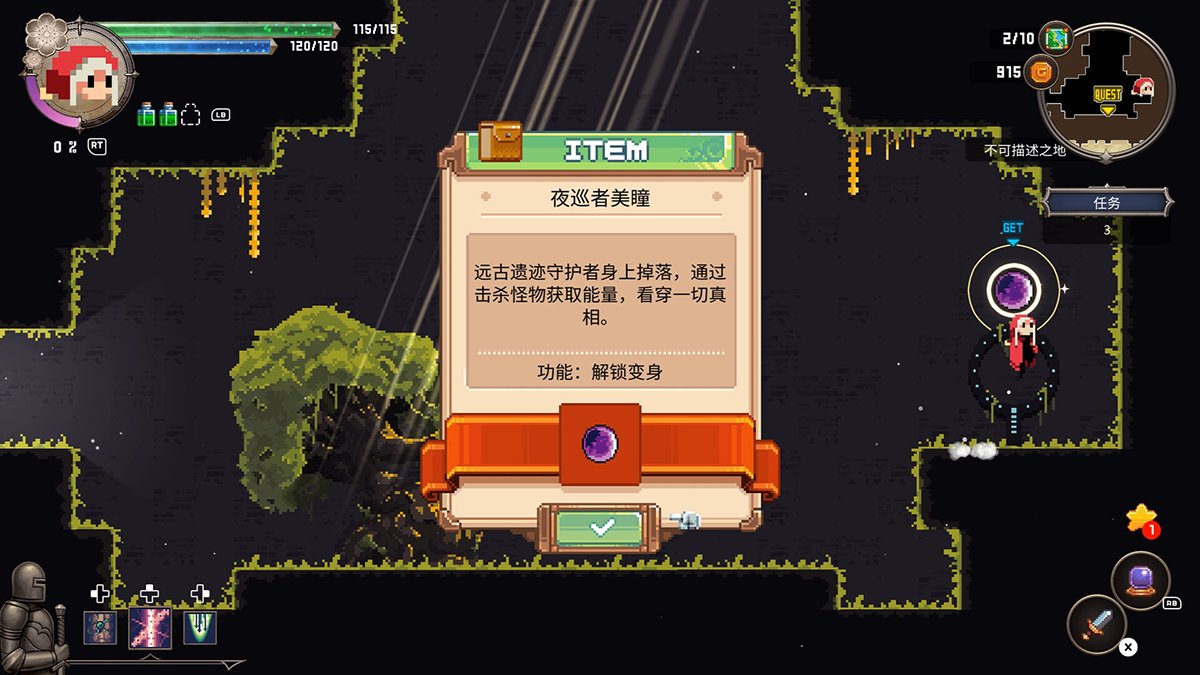
The world is full of over 30 unique NPCs, and many of them have quests, jokes, or useful rewards waiting. Talk to everyone you meet.
Those 45 side quests are not just filler. They hand out resources, point you toward secrets, and keep you strong enough for the next story boss.
The writing is full of lighthearted parodies and familiar faces, so the side content is genuinely fun to poke through. There are also 39 achievements to chase if you like a completion goal.
Slowing down to clear optional content is the easiest way to avoid hitting a wall later. The game rewards curiosity more than speed.
Quick tips before you dive in
A few fast pointers to keep in the back of your mind as you start your adventure.
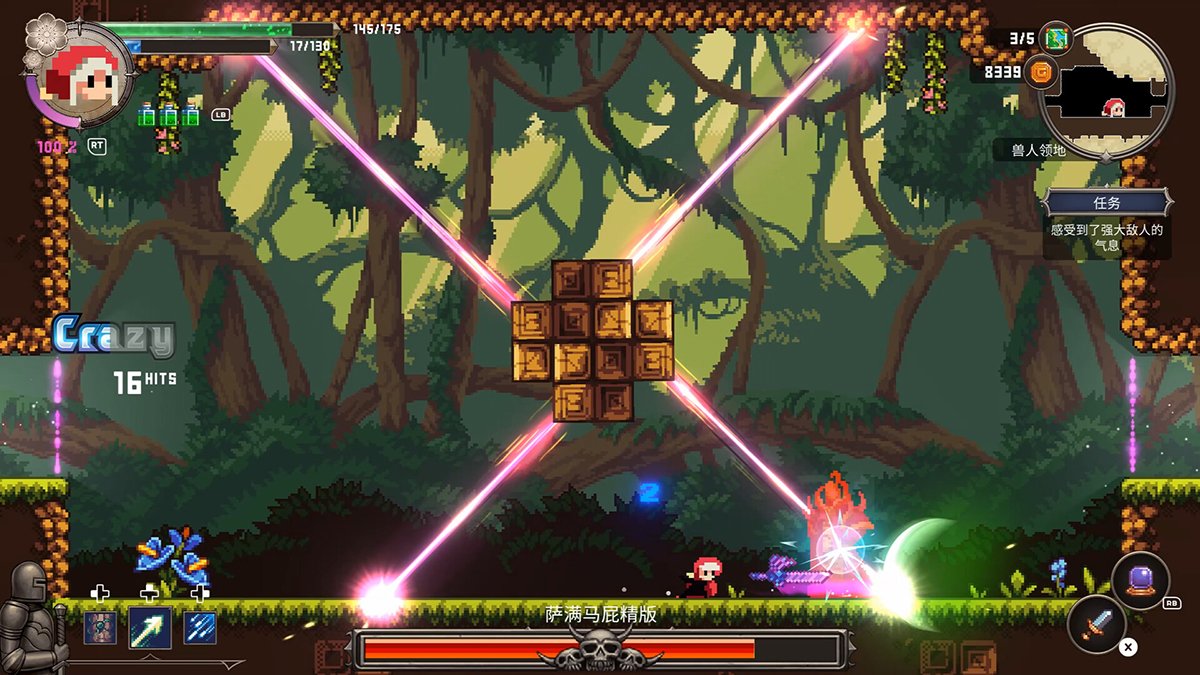
Save often and use your save points before tackling a new area or a boss. There is no reason to lose progress to a surprise fight.
Shoot, hit, or check anything that looks breakable or hidden. Secrets are everywhere, and the game loves rewarding players who poke around.
Heal during your ice windows. Freezing an enemy is the perfect moment to top off your health instead of trading blows.
Do not stress the early difficulty curve. The first area is forgiving on purpose, so use it to get comfortable before the real challenges arrive.
Tales of Wakana is a warm, quirky little Metroidvania with more depth than its goofy exterior suggests.
Take your time, explore every corner, and let Princess Dian grow from a rookie into a hero. Now get out there and start your hunt for the Courage Gems.
–
Images in this article are from the the Tales of Wakana page on Steam and used under Fair Use.
Want to start your own blog, a personal website or something for your small business or side hustle? Site Ground is the absolute best web hosting company out there
You Might Also Like...
Mouse Polling Rate 1000 vs 2000 vs 8000 Explained (What It Really Changes, and What to Use)

Mouse polling rate is one of those settings that sounds insanely importan (like flipping from 1000 Hz to 8000 Hz should instantly turn you into an esports god) but in real life it’s more nuanced. If…
How to Force Borderless Fullscreen in PC Games (Every Method That Actually Works)
If you've ever tried to alt-tab out of a PC game and watched your screen freak out for a solid five seconds, you already know why borderless fullscreen mode exists. It's the sweet spot between…
How to Fix Xbox Controller Not Detected on Windows 11
So you've sat down for a gaming session, grabbed your Xbox controller, and… nothing. Windows 11 acts like it doesn't exist. No vibration, no light, no input. Don't worry, you're not alone, and this…
Japanese Rural Life Adventure: Beginner Tips You Need to Know

Japanese Rural Life Adventure has finally made the jump from Apple Arcade to Steam, and if you're a fan of cozy farming sims like Stardew Valley or Harvest Moon, this one absolutely deserves a spot…
Under the Island Tips: The Ultimate Beginner’s Guide to Seashell Island
If you're just stepping onto Seashell Island for the first time, you're in for a treat. Under the Island is a 2D top-down action-adventure that wears its classic Zelda inspiration proudly, mixing…
Retrace the Light Tips: A Beginner’s Guide With Puzzle, Combat, and Exploration Tricks

If you’re looking for Retrace the Light tips or a quick beginner’s guide to Retrace the Light, the biggest thing to know is this: the game is built around a mindset shift. It’s not just “solve…
18 Indie Games that are Better than Most AAA Major Releases
Last updated December 31, 2025. There's been a massive explosion of amazing indie games in recent years. Having an alternative to the massive AAA games is always a good thing and many of these indie…
All Unicorn Overlord Characters: Recruitment Guide, Builds, and Missables
This master post rounds up every recruitable character in Unicorn Overlord, with an alphabetical list linked to a detailed guide for each character. You’ll also find practical tips on recruiting,…
The Top 10 Nintendo 64 Games You Need to Play
The Nintendo 64 launched after the Super Nintendo in 1996 and was Nintendo's first console with fully 3D 64-bit graphics. It's one of the most famous and well-recognized systems in videogame history,…
Golden Sun Djinn Guide and Djinn Location Guide
The Djinn system in the Game Boy Advance classic, Golden Sun, introduces a novel and intricate layer to the traditional RPG formula, setting it apart from its contemporaries. This system not only…
The Top 10 Super Nintendo Games You Still Need to Play
The Super Nintendo Entertainment System (SNES) is a legendary video game console that holds a special place in the hearts of gamers around the world. Released by Nintendo in 1990 (in Japan) and 1991…