
Ved: Recure came out on Steam in September 2026, and I think it’s one of the more interesting indie action games of the year.
It’s also a game that doesn’t explain itself very well. So let’s fix that.
Here’s the setup. You’re trapped inside “the 1000th game you bought but never played.” That’s a little too real for some of us.
Your condition is called V.E.D., which is basically lost passion for gaming. The tower you fight through is your treatment.
I’m going to stick with that idea for this whole guide, because it’s the easiest way to understand how the game works. Your buffs are prescriptions, and prescriptions only work if you actually take them.
At a glance it looks like a Hades clone. It plays a lot more like Devil May Cry with a roguelite build system attached.
Start with Plumy or Chillo
There are seven playable characters in Ved: Recure. You won’t have all of them right away, and that’s fine.
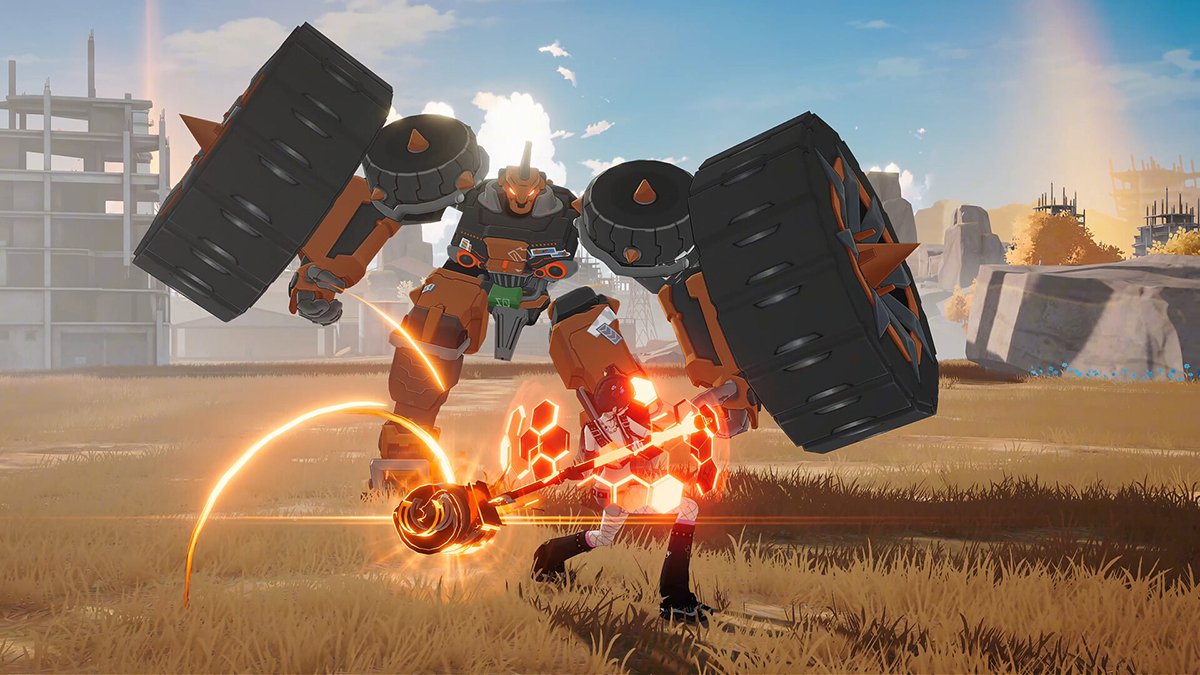
Plumy is the gun user. She lets you hang back and shoot, which gives you room to watch what enemies are doing.
Chillo is the melee starter. He puts you up close, which is rough at first but teaches dodge timing faster than anything else.
If you’re new to action games, go with Plumy. If you’ve played a ton of Devil May Cry or Bayonetta, go with Chillo.
Fei unlocks after you clear Chapter 1, so that’s another reason to push through the first stretch.
Pick one starter and stay with them until you beat Chapter 1.
Buffs don’t do anything unless you do something
This is the single biggest thing new players get wrong. In most roguelites, you grab a buff and it just works in the background.
Not here.
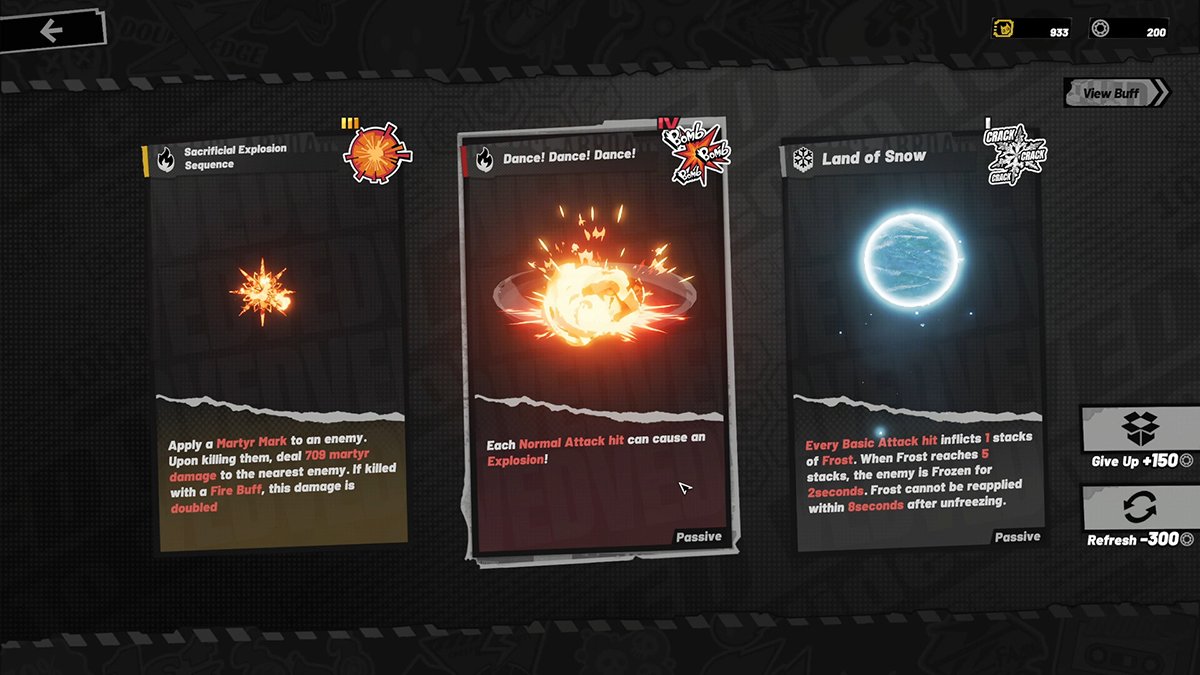
Ved: Recure uses a Buff Chain system. You slot buffs into specific triggers like your combo finisher, dash attack, special attack, extra attack, defence, and hurt rows.
A buff only fires when you perform the move it’s attached to. If you put a Frost effect on your parry and never parry, you get nothing.
Back to the treatment idea. A doctor can write you the perfect prescription, but it won’t do a thing if the bottle sits on your counter.
So build around the moves you already use. If you finish combos all the time, load up the combo finisher row.
Slot your best buffs on the moves you can pull off reliably, not the ones that look cool on paper.
Know the difference between Active and Passive buffs
Active buffs sit in one of those action rows. They trigger when you do that specific move.
Passive buffs work differently. They trigger on a hit condition, like landing basic attacks, instead of a specific action.
This trips people up because they go looking for a passive under the combo finisher row and can’t figure out why it isn’t firing. Read the card’s condition instead.
For a buff to go off, both things have to be true. The row has to match what you’re doing, and the card’s own condition has to be met.
One more thing that’ll save you a headache. Press Deploy after you make changes.
Some buffs are also chance-based. If one doesn’t go off the first time, that doesn’t mean it’s broken.
Pair an Active buff you can trigger often with a Passive that fits the attacks you’re already throwing.

Stick to one element per run
You’ll see buffs tied to Fire, Frost, and Lightning. It’s really tempting to grab whatever looks strongest in every room.
Don’t.
Mixing all three gives you a bunch of half-built effects that never stack into anything. It’s like taking a sip from every pill bottle in the cabinet.
Land of Snow is a good example of why focus matters. It applies Frost stacks on basic attack hits, and five stacks freeze the enemy for a couple of seconds.
That’s huge when you’re surrounded. But it only gets there if you keep feeding it Frost.
Pick an element early in the run and lean into it.
Parrying won’t save you, but the follow-up will
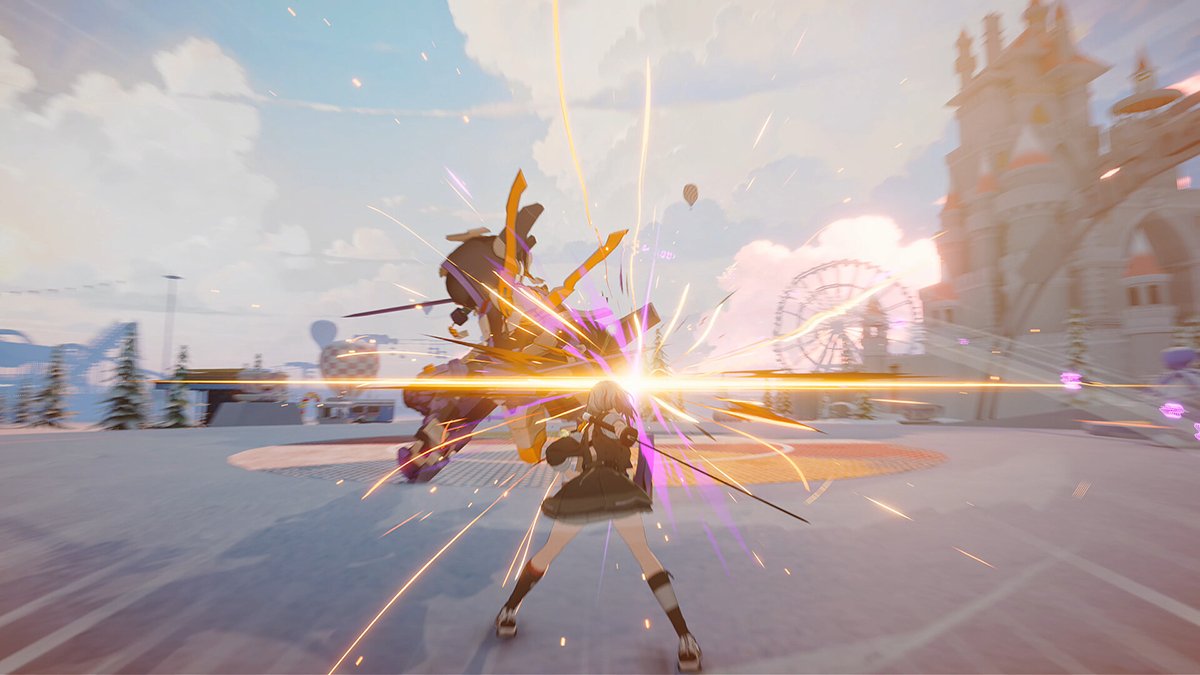
The parry window in Ved: Recure is pretty generous. That’s the good news.
The bad news is that parrying doesn’t interrupt enemies, and it doesn’t make you invincible. You can parry one hit and still eat the next one.
So why bother?
Because perfect parries and perfect dodges open up follow-up attacks. Those let you skip the long five-hit combo string and get straight to the damage.
Enemies also take a long time to wind up. Some of them hold a weapon in the air for what feels like forever before swinging.
Don’t panic-dodge. Wait for the swing, then react.
Treat the parry as a door to your counterattack, not a shield.

Break the shield, then go all in
There are 16 bosses spread across four chapters. Bosses have a shield you need to chip away before you can do real damage.
Once that shield drops, the boss is wide open. You can keep them stunned for a big chunk of time if you keep the pressure on.
That’s the moment to dump everything. Specials, finishers, whatever you’ve got loaded with buffs.
Save your big damage for when the shield breaks.
Use the Training Ground when a boss walls you
Every roguelite has that one boss that makes you want to put the controller down. Ved: Recure has a real answer for that.
The Training Ground lets you refight a boss you can’t beat. You can practice parries and dodges against their patterns as many times as you need.
No run on the line. No losing 30 minutes of progress because you misread one attack.
Think of it as physical therapy. You’re not there to win, you’re there to learn the movements.
If a boss has beaten you twice, go to the Training Ground before trying a third time.

Don’t be too proud for Easy mode
There are four difficulty settings: Easy, Normal, Hard, and Extreme. Extreme only unlocks after you finish Hard.
Easy mode adds red warning indicators before enemy attacks. That’s a big deal when you’re still learning what every enemy does.
Is that cheating?
No. It’s a teaching tool, and you can bump the difficulty up once the patterns click.
Once you’re comfortable, there’s also Boss Rush and Endless Mode for later.
Learn the game first. Prove yourself later.
Check your gear for hidden traits
There are more than 50 equipment pieces and nine attributes to work with. It’s easy to just equip whatever has the bigger number.
That’s a mistake. A lot of gear has hidden traits that change how your buffs behave.
A piece with lower stats can still be the better pick if it makes your main buff chain fire harder or more often.
Judge gear by what it does to your buffs, not just its stats.
Fix your settings before your first run
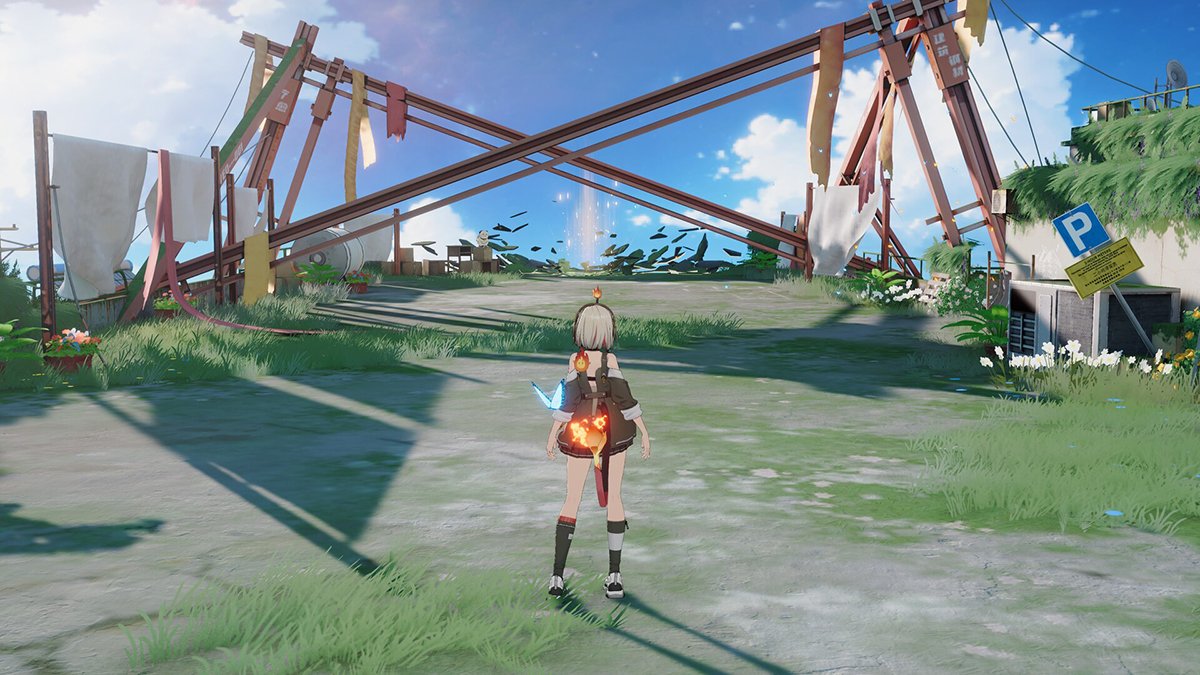
This one’s boring, but it matters. Spend two minutes in the options menu before you start.
If the follow camera keeps swinging around walls, try the fixed camera option. Turn on V-Sync if you’re seeing screen tearing.
If camera shake or vibration bugs you, turn them down or off. Nobody parries well with a headache.
The game runs well on most PCs, and it works great on Steam Deck too. The minimum spec is a GTX 1060 with 4GB of RAM.
There’s no English voice track, by the way. You get Japanese or Chinese audio with English text.
Set up the camera first so you’re fighting enemies, not the game.
Finish the treatment
Ved: Recure isn’t perfect. The balance is all over the place, and the story gets a little silly.
But the combat is a lot of fun once the Buff Chain system clicks. And it clicks a lot faster when you stop treating buffs like background noise.
If you’re looking for more roguelites to dig into after this, check out our Cursemark beginner tips and our Severed Gods beginner tips.
Pick a starter, pick an element, and hit the moves your buffs are attached to.
Take your prescriptions, and this won’t be another game sitting unplayed in your library.
–
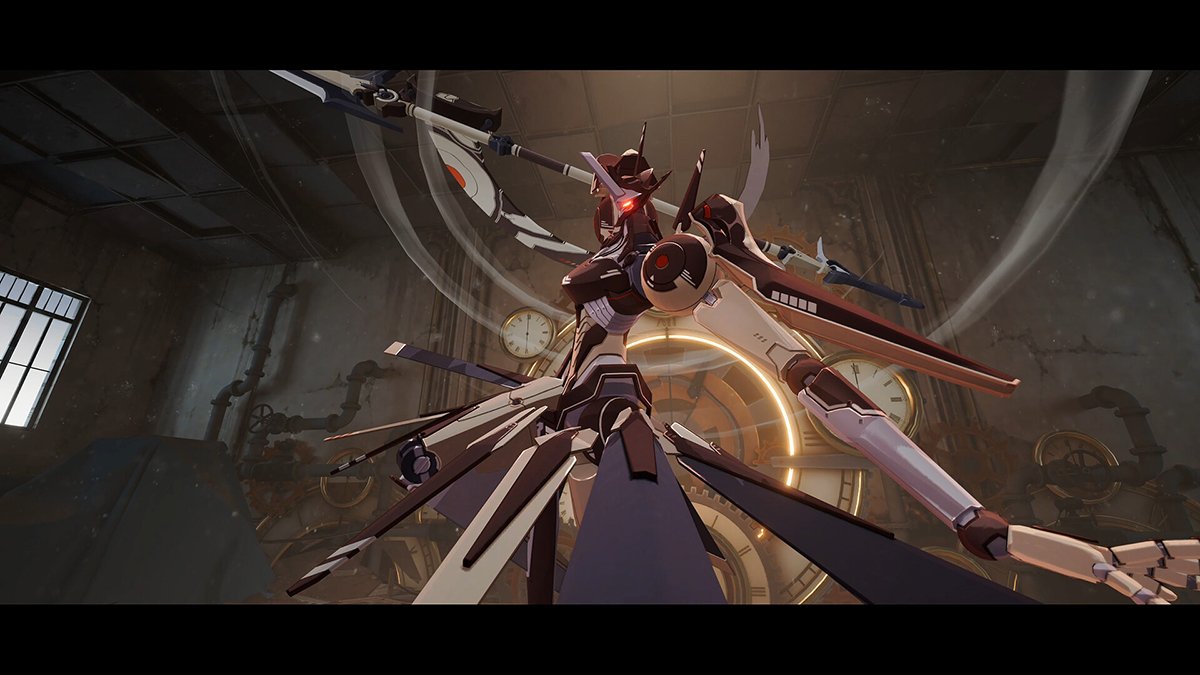
Images in this article are from the Ved: Recure page on Steam and used under Fair Use.
Want to start your own blog, a personal website or something for your small business or side hustle? Site Ground is the absolute best web hosting company out there
You Might Also Like...
Mouse Polling Rate 1000 vs 2000 vs 8000 Explained (What It Really Changes, and What to Use)

Mouse polling rate is one of those settings that sounds insanely importan (like flipping from 1000 Hz to 8000 Hz should instantly turn you into an esports god) but in real life it’s more nuanced. If…
How to Force Borderless Fullscreen in PC Games (Every Method That Actually Works)
If you've ever tried to alt-tab out of a PC game and watched your screen freak out for a solid five seconds, you already know why borderless fullscreen mode exists. It's the sweet spot between…
How to Fix Xbox Controller Not Detected on Windows 11
So you've sat down for a gaming session, grabbed your Xbox controller, and… nothing. Windows 11 acts like it doesn't exist. No vibration, no light, no input. Don't worry, you're not alone, and this…
Japanese Rural Life Adventure: Beginner Tips You Need to Know

Japanese Rural Life Adventure has finally made the jump from Apple Arcade to Steam, and if you're a fan of cozy farming sims like Stardew Valley or Harvest Moon, this one absolutely deserves a spot…
Under the Island Tips: The Ultimate Beginner’s Guide to Seashell Island
If you're just stepping onto Seashell Island for the first time, you're in for a treat. Under the Island is a 2D top-down action-adventure that wears its classic Zelda inspiration proudly, mixing…
Retrace the Light Tips: A Beginner’s Guide With Puzzle, Combat, and Exploration Tricks

If you’re looking for Retrace the Light tips or a quick beginner’s guide to Retrace the Light, the biggest thing to know is this: the game is built around a mindset shift. It’s not just “solve…
18 Indie Games that are Better than Most AAA Major Releases
Last updated December 31, 2025. There's been a massive explosion of amazing indie games in recent years. Having an alternative to the massive AAA games is always a good thing and many of these indie…
All Unicorn Overlord Characters: Recruitment Guide, Builds, and Missables
This master post rounds up every recruitable character in Unicorn Overlord, with an alphabetical list linked to a detailed guide for each character. You’ll also find practical tips on recruiting,…
The Top 10 Nintendo 64 Games You Need to Play
The Nintendo 64 launched after the Super Nintendo in 1996 and was Nintendo's first console with fully 3D 64-bit graphics. It's one of the most famous and well-recognized systems in videogame history,…
Golden Sun Djinn Guide and Djinn Location Guide
The Djinn system in the Game Boy Advance classic, Golden Sun, introduces a novel and intricate layer to the traditional RPG formula, setting it apart from its contemporaries. This system not only…
The Top 10 Super Nintendo Games You Still Need to Play
The Super Nintendo Entertainment System (SNES) is a legendary video game console that holds a special place in the hearts of gamers around the world. Released by Nintendo in 1990 (in Japan) and 1991…