
I went into D-topia expecting a quiet weekend. Something soft to play in pajamas with a cup of tea going cold next to me.
That part was true. What I did not expect was how much the game would sit on my chest by the end of the week.
If you like the calm of Unpacking and the daily rhythm of the social link stuff in Persona, you are going to feel at home here. The puzzles land somewhere near The Witness, but friendlier about it.
Here is everything I fumbled in my first two days so you do not have to. No story spoilers, I promise.

What is D-topia about?
D-topia comes from Marumittu Games, published by Annapurna Interactive. It launched July 14, 2026 on PC, PS5, Xbox Series X/S, and Switch.
You play as Shiro, a Facilitator working a district called Paradise. Your job is keeping the residents happy inside a society that an AI quietly runs from behind the curtain.
The whole thing covers seven in-game days and runs about 8 to 10 hours. That is short, and it matters more than you would think.

Seven days is the whole game, so let them breathe
Every day follows the same shape. You wake up, have breakfast, solve a small diagnostic puzzle, clock in for a factory shift, then get free time in the districts before bed.
Content is gated by day and by time phase. Morning, afternoon, and evening are three different versions of the same town.
My first instinct was to charge through the objectives and get to bed. Please do not do that.
Wandering is not a detour in D-topia. It is most of the game.
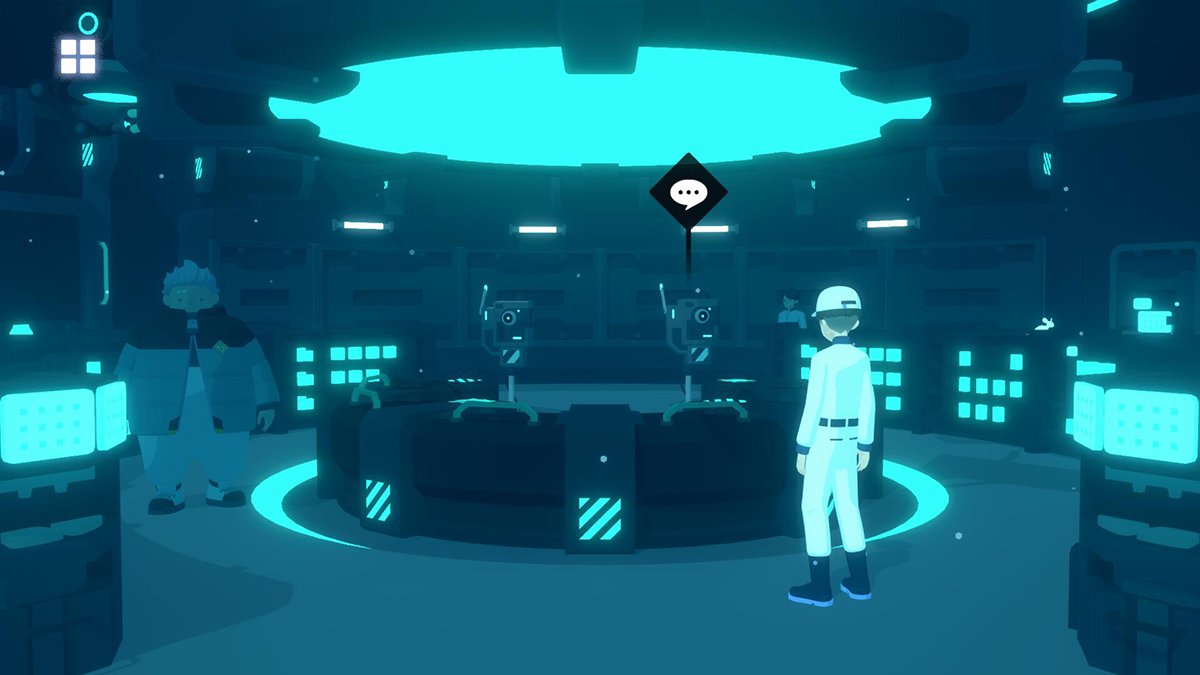
Factory shifts are lower stakes than they look
The factory is where the timer lives, and timers make me anxious. Turns out I was worrying over nothing.
You can reset a puzzle with no penalty, as many times as you want. If the clock is getting tight, you can skip a board and move on.
Even a rough shift still pays out a minimum daily wage. You cannot lock yourself out of progress by being bad at your job, which is such a kind design choice.
Skipping does cut into your earnings, so it is not free. It is just never a disaster.

Learn the three puzzle types early
D-topia rotates between three main kinds of puzzles. The sooner you can name them, the calmer they feel.
There are line-drawing puzzles where you trace a path across a grid under a rule you have to work out for yourself. These are the Witness-flavored ones.
There are numbered block-shifting grids, where you slide pieces into place without wrecking what you already positioned. These are the ones that get really tricky later in the week.
And there are logic boards built on Minesweeper rules, where the numbers tell you what is hiding next door.
My best tip is boring but it works. Read the whole board before you touch anything, because almost all of my lost time was undo time.

Check the Block Side terminal everywhere you go
This is the big one. If you take a single thing away from this guide, take this one.
The Block Side is a hidden layer of the world you reach through district terminals. Flipping over strips away the pretty surface and shows you the cold machinery running underneath it.
It is not just set dressing either. Repairs, hidden paths, and collectibles all live over there.
Build the habit right now. Finish the visible objective, chat with whoever is standing nearby, then hit the terminal and sweep the Block Side before you leave the district.
I ignored terminals for most of Day 2 and had to double back for things I could have grabbed in thirty seconds.
Take the shuttle and keep a drink on you
Walking the full route between districts eats a shocking amount of your day. The shuttles are there for a reason and I was too stubborn to use them at first.
You can also buy Stimulant Drinks for a temporary speed boost. Keep one in your pocket for the days with long errands stacked up.
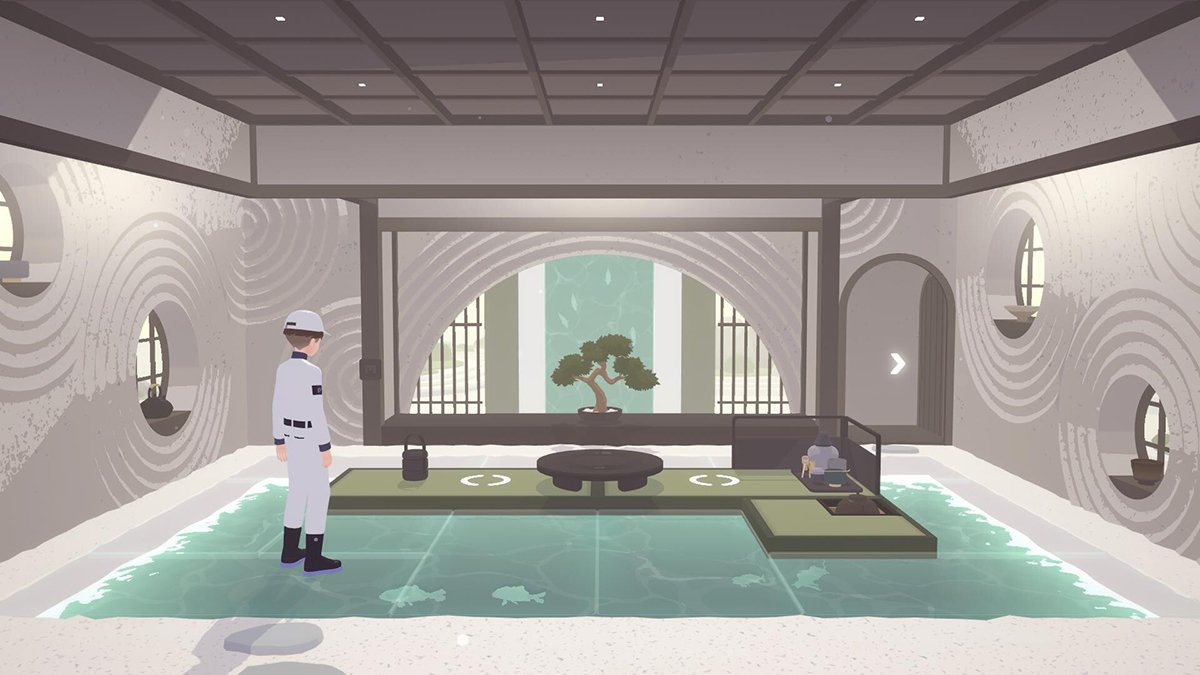
Talk to people twice, at different times
Residents move around, and their dialogue shifts depending on the time phase. The same bench at noon and at dusk can hand you two completely different scenes.
Some of my favorite little moments were just someone saying one extra thing because I came back later.
It matters mechanically too. Certain events and collectibles only unlock after you have had the right conversation with the right person.

Spend your U-Points carefully
U-Points are the local currency, and you earn most of them through factory work. You will spend them on décor for your apartment and on odds and ends around town.
Here is the trap. Not every shop item comes back, so some things are available once and then gone for good.
I blew a chunk of my early money on a lamp I did not need, then found something I actually wanted two days later. Learn from my lamp.

Chase the mice, but count them at ten
There are 20 mice hidden across the week, and hunting them is the sweetest little side activity in the game. A shop event on Day 1 is what opens the whole thing up.
Every single mouse is found on the Block Side. If you are not flipping terminals, you are not finding any of them.
Five are tied to the Factory Area on different evenings. Several only appear after a specific repair or story beat, and the last three wait until Day 7.
Two achievements come out of this. Friend to Mousekind lands at ten mice, and Of Mice and Man needs the full set.
Count what you have before you head into the finale. The complete set is not reachable on the bad ending path, so you want to know where you stand while you can still do something about it.

Brain Meetings are where the game actually branches
The Brain Meetings are the conversations that steer your ending. There are three endings, and they come out of the choices you stack up across the week.
D-topia runs on a single save with autosave. Your decisions stick the second you make them.
The safety net is Chapter Select, which lets you drop back into a day you have already finished. Knowing that existed would have saved me a lot of hovering over dialogue options at midnight.
I would still play your first run honestly, though. Second-guessing every line takes all the air out of it.

Helping people is the progression system
Your Resident Rating climbs as you solve problems and look after the people around you. As it rises, new districts open up.
So the kind thing and the efficient thing are the same thing here. I liked that a lot more than I expected to.

Go in slow and go in curious
D-topia is not flawless. A few of the choices are more illusion than branch, and some moments land the same way no matter which line you pick.
The big ideas about happiness and control are a little thinner than the setup promises, too. If you go in hunting for a knockout thesis on free will, you may come out shrugging.
But I did not stay up for the thesis. I stayed up for the small stuff.
The mouse tucked behind a vent. The neighbor who finally tells you the truth. The quiet click of a puzzle solving itself in your head right before you draw the line.
I finished the last day at almost one in the morning, sat through the entire credits roll, and then went and looked at my little apartment one more time before I closed it. That is the part I am going to remember.
–
Images are form the D-topica page on Steam and used under Fair Use.