
Every so often a game turns up looking like one thing and playing like something else entirely. Sovereign Tower has the hand-drawn art, the round table full of chatty knights, and the gentle management-sim framing of something you put on to unwind after work.
Then one of your knights bleeds out on a routine errand because you never learned she panics in crowds. Picture the monastery half of Fire Emblem: Three Houses crossed with Yes Your Grace, then make it meaner than both.
Wild Wits Games put it out on August 6, 2026 through Curve, and it landed at 91% positive on Steam almost immediately. A lot of those players are about to lose their favorite knight and wonder what they did wrong.
So here is the stuff the tutorial does not spell out.
Know what the daily loop is asking of you
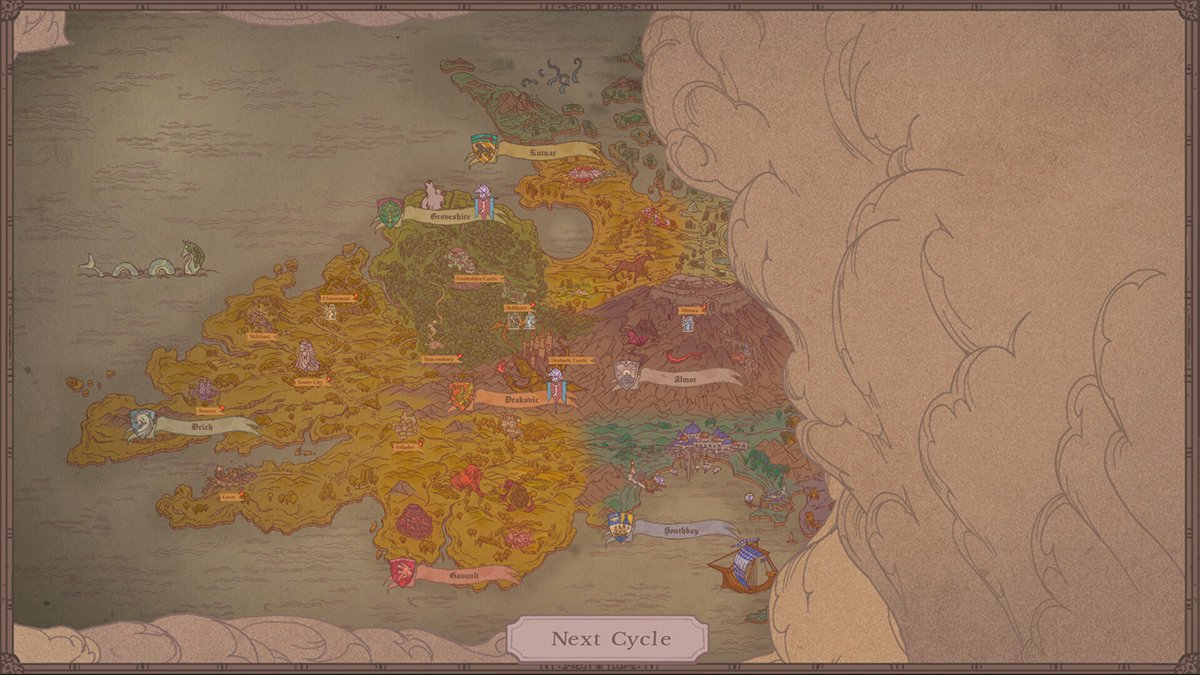
Each cycle runs the same shape. You hold audience on the throne and hear out your subjects, you get free time to wander the tower and talk to people, then you head to the Round Table and assign knights to quests before reading the results.
The trap is that the audience phase generates more problems than your roster can physically handle. You will never have enough knights, and the game knows it.
Treat every audience as a triage exercise rather than a to-do list. Deciding what to ignore is the actual skill here.

Learn the six stats before you learn anything else
Knights are built on Strength, Agility, Charisma, Magic, Wit, and Luck, each sitting somewhere on a 0 to 15 scale. Every quest checks specific stats, and the gap between your knight’s number and what the quest wants decides where you land.
Outcomes run from critical failure through ordinary success all the way up to critical success, with the occasional unexpected outcome that goes somewhere sideways and usually interesting. A knight who clears the requirement by a comfortable margin is not just safer, they pull better rewards.
The habit to build early: read which stat a quest checks before you look at who happens to be free.

Hidden attributes beat raw stats
This is the one that gets everybody. Each knight carries traits you can see in the glossary and traits that are quietly doing math behind your back from the moment you recruit them.
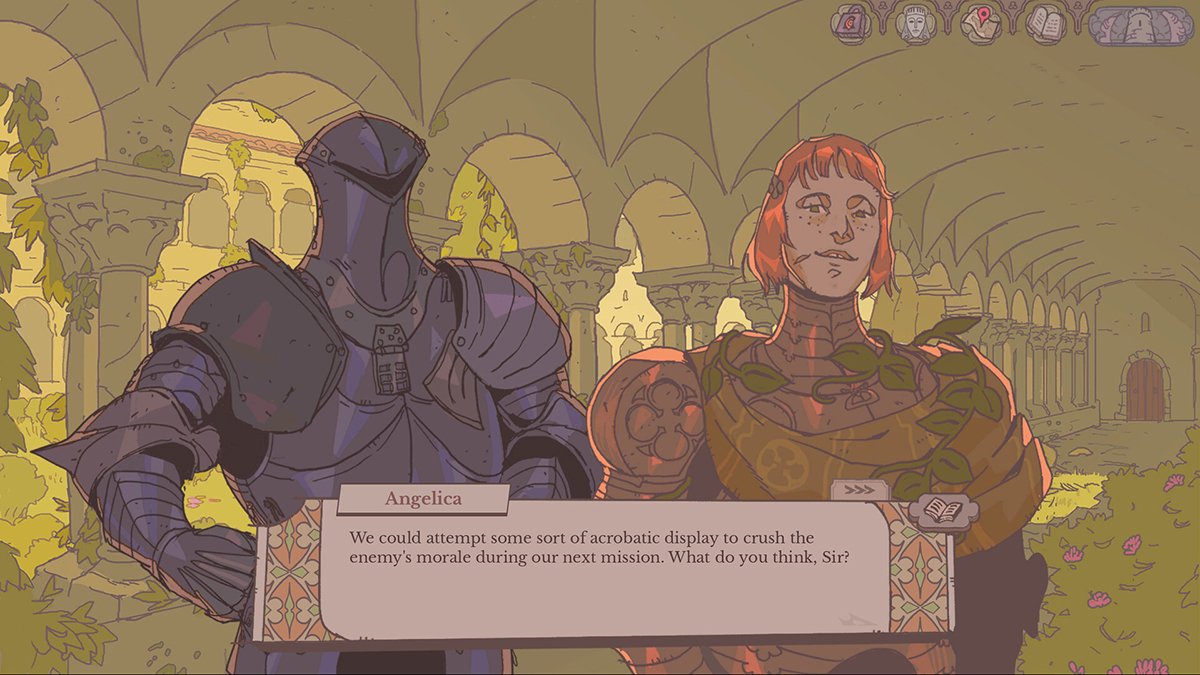
Angelica, your first recruit, is the game teaching you this gently. Her love of animals is not decoration, it swings results on any quest involving them.
You surface hidden attributes by talking to knights during free time, by watching quest outcomes that make no sense on paper, and by leaning on Alwena, who turns up rumors about the rest of the court. Every hour you spend in conversation is an hour that pays back at the Round Table.

The highlighted words in quest text are hints
Quest descriptions bold certain words. Those are not there for flavor.
A quest that emphasizes deep water, or a crowded market, or something with fur is telling you which traits are about to matter. The game hands you the answer key and most players scroll past it.
Feed your knights, seriously
Affinity runs from -10 to +10 and every knight starts at zero. It governs how well they perform, what dialogue you unlock with them, and whether they stick around at all.
Every knight has favorite meals, and serving one is close to the cheapest affinity you will ever buy. It nudges their quest performance too, which makes it a rare thing in this game that costs almost nothing and helps twice.
Let affinity slide far enough into the negative and knights walk out of your court for good, taking their levels with them. You do not get a warning screen.
Armor is a death buffer, not a cosmetic
Armor takes damage even on quests you win. It is the buffer standing between a bad roll and a funeral.
Repairs run through Carina and her forge, and they cost a fraction of what it takes to raise a replacement knight from scratch. Nobody ever regrets over-repairing.
Rotate your roster instead of running your two best knights into the ground. The temptation to send your strongest body at every problem is exactly how you end up with one dead veteran and a bench full of level ones.

Build the forge first, then the alchemy room
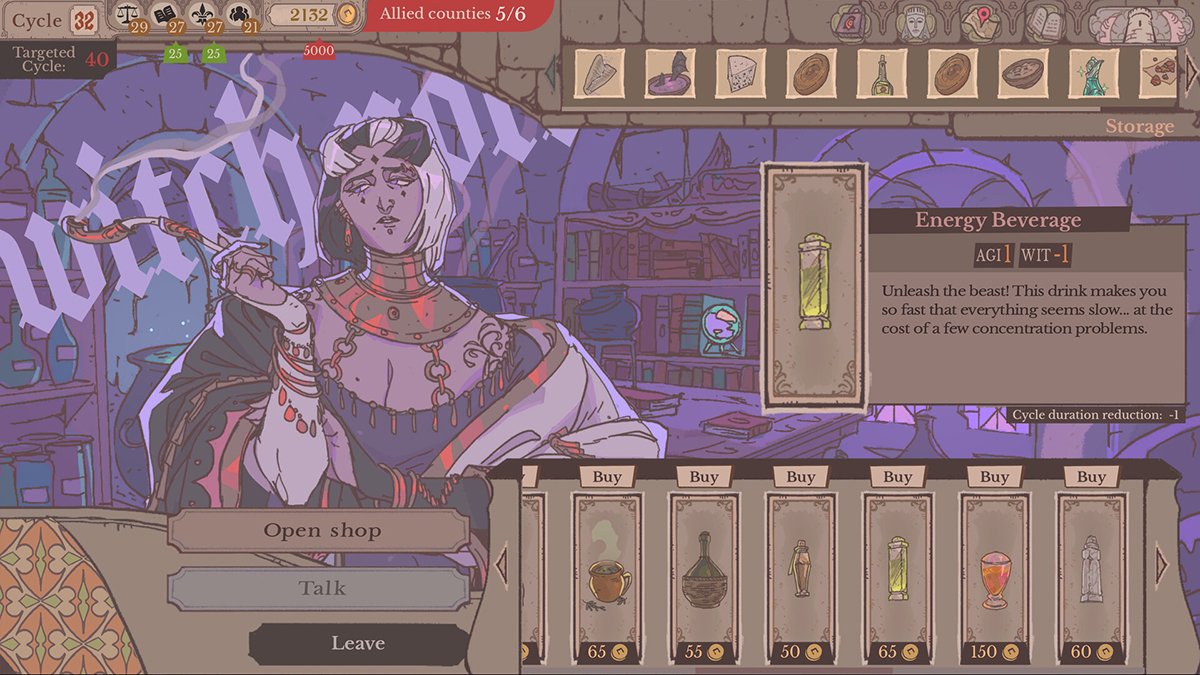
Tower annexes open up through the servants you recruit, with the Lady of the Tower unlocking rooms as your household grows. Your gold is tight for a long stretch, so the order matters.
Carina’s forge comes first because armor repair is survival. Belladonna’s alchemy room comes second, since temporary stat potions turn a coin-flip quest into a safe one, and safe quests are how you keep a roster alive long enough to level.
Anything that does not keep knights breathing can wait.
Five factions and a treasury that never stops draining
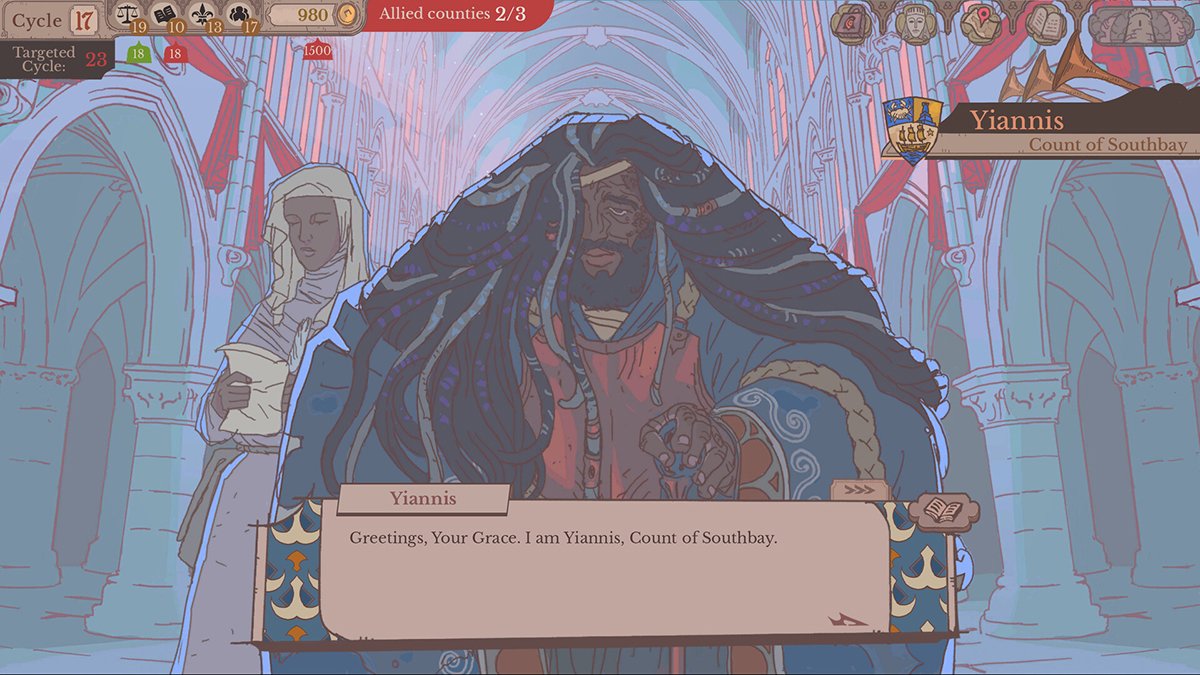
You are juggling the Merchants, Mystics, Scholars, Nobles, and the People, and they want incompatible things. Underneath all of it, the treasury quietly bleeds out while you are distracted by the drama.
Faction standing is not a score to max. Shoving one meter to the top means another one is cratering, and cratered factions start closing doors you did not know existed.
On a first run, protect the People and the treasury above the rest. Broke and hated is a spiral you do not climb out of.
Pick two archetypes and commit
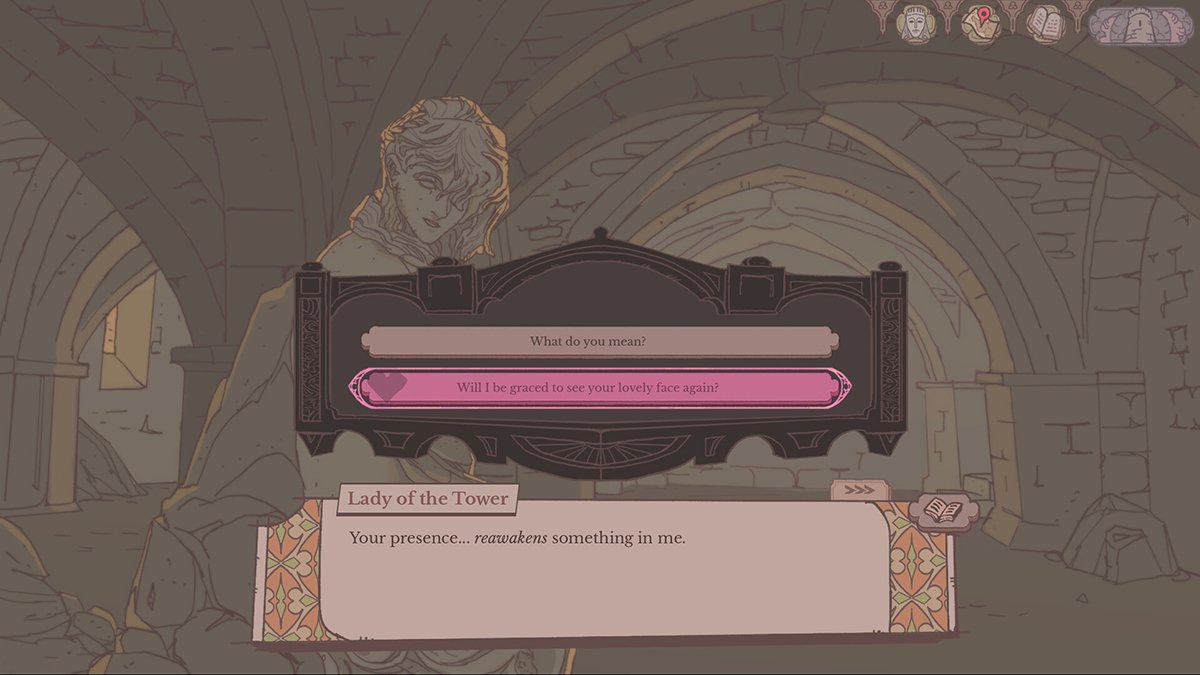
Your audience decisions build up four tracks: Audacity, Wisdom, Tyranny, and Kindness. Hitting a threshold on one unlocks new dialogue options and shifts how later story beats play out.
Spread your choices evenly across all four and you will hit precisely none of the thresholds. Pick two that suit how you want to rule and lean into them, even when a middle-ground answer looks tidier.

The crypt demon is a tool, not an undo button
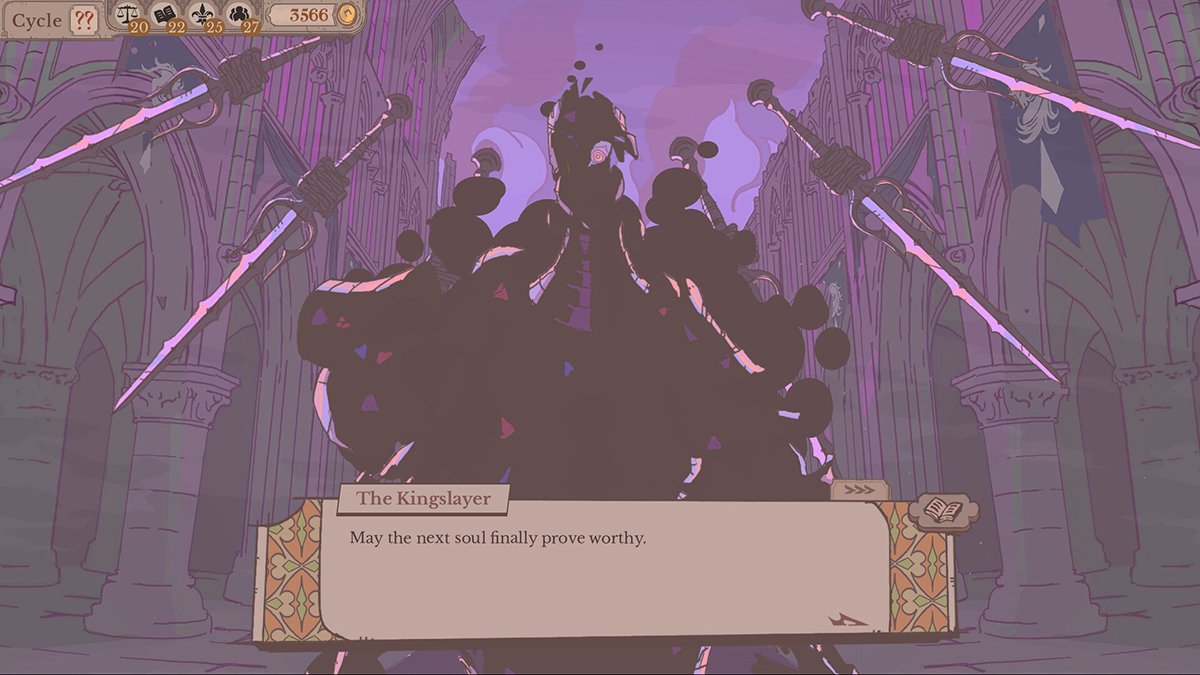
There is an artifact in the crypts, and something old is living in it. It lets you rewind the timeline, and critically, you keep everything you learned on the way.
That knowledge is the real reward. Coming back around knowing which knight is terrified of what, and which petitioner is lying to your face, opens options that were never on the table the first time.
The catch is that undoing an event also erases every good thing that grew out of it, including people. Save it for genuine disasters rather than a quest roll that merely disappointed you, because the game is built to make that decision hurt.
Emergency quests do not wait for you
Some crises land with a timer attached. If your whole roster is out on week-long errands when one drops, you eat the failure and the faction damage that comes with it.
Keep at least one capable knight home whenever you can. A reserve feels wasteful right up until the day it saves your court.

Mistakes that will sink your first run
Accepting every petition because saying no feels rude. Sending a solo knight at a high-risk quest to save time.
Skipping free time and dialogue because it feels like the optional part. Hoarding gold for something better while your knights walk around in scrap.
And the big one: assigning knights by their stat totals instead of by who they actually are.
Give it a second run
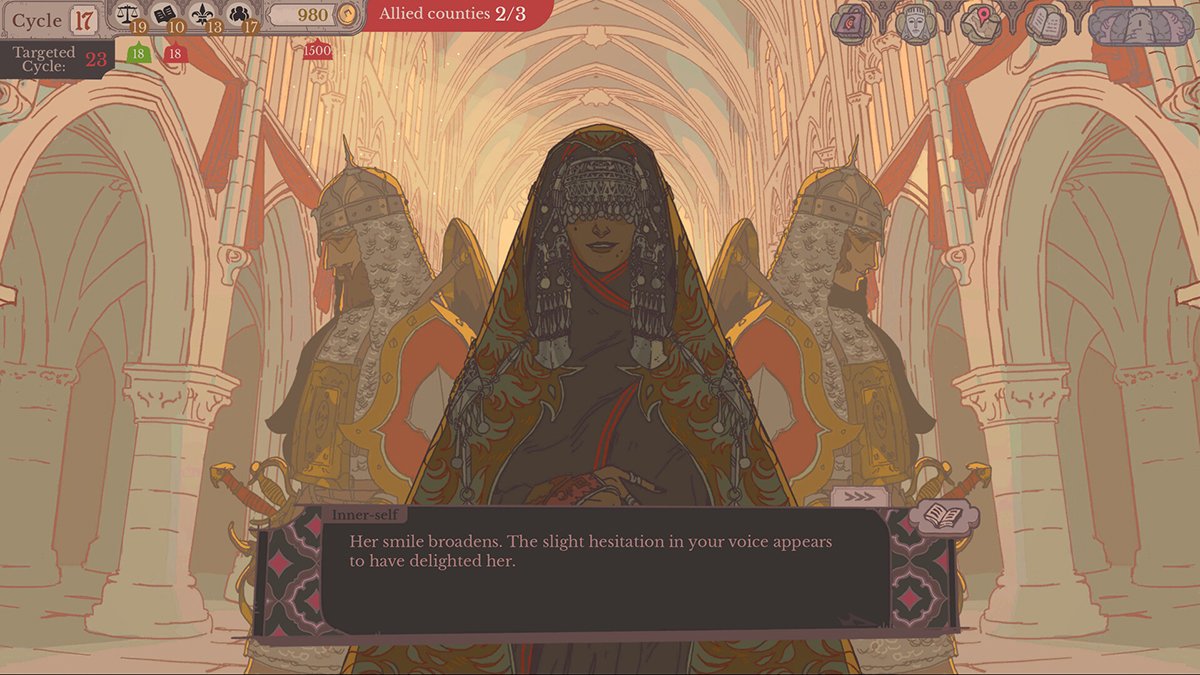
Sovereign Tower is openly hostile to anyone trying to optimize it on the first attempt, and that is deliberate. Your first court is going to collapse in some slow, embarrassing way, and the game is fine with that.
The second run, armed with everything you learned about your knights and your factions, is where it turns into one of the sharpest management games of the year. If you want something genuinely relaxing to unwind with, though, this is not that game, and it never pretended it would be for long.
–
Images are from the Sovereign Tower page on Steam and used under Fair Use.