
Kusan: City of Wolves kills you in one hit.
That is not a late game difficulty spike. That is the whole game, from the first room to the final boss.
There are no difficulty settings and no assist modes. You get what the developers built and that is it.
Here is how I would explain the game to somebody who just booted it up. Every room is a lock, and your knife, your fist, and your gun are three different keys. Almost every death you have is going to come from walking in and swinging the wrong key.
So here is what I wish somebody had told me before I started.
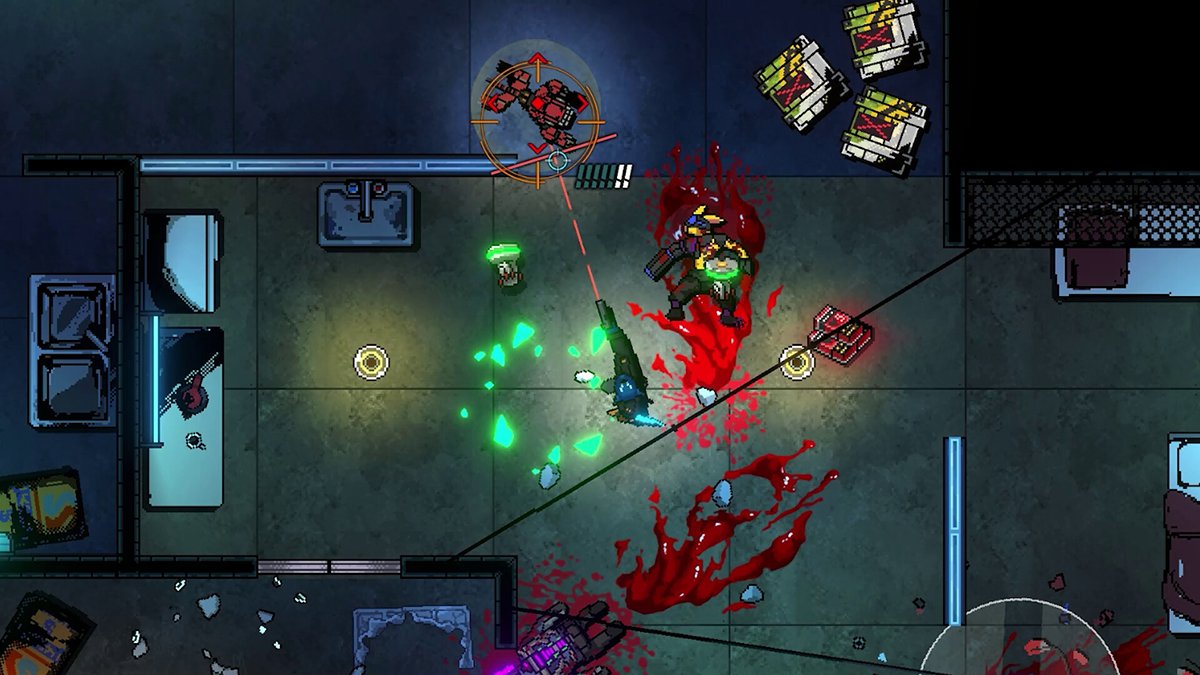
You are going to die a lot and that is the point
Jin dies to a single bullet or a single hit. Most enemies take two.
That sounds unfair until you notice how fast the game puts you back. Respawns are basically instant, with no loading screen and no walk of shame back to the room.
Dying is not a punishment here. It is how the game hands you information about a room you could not see into yet.
If you are on your twelfth attempt at a room, you are not stuck. You are learning where everybody stands.
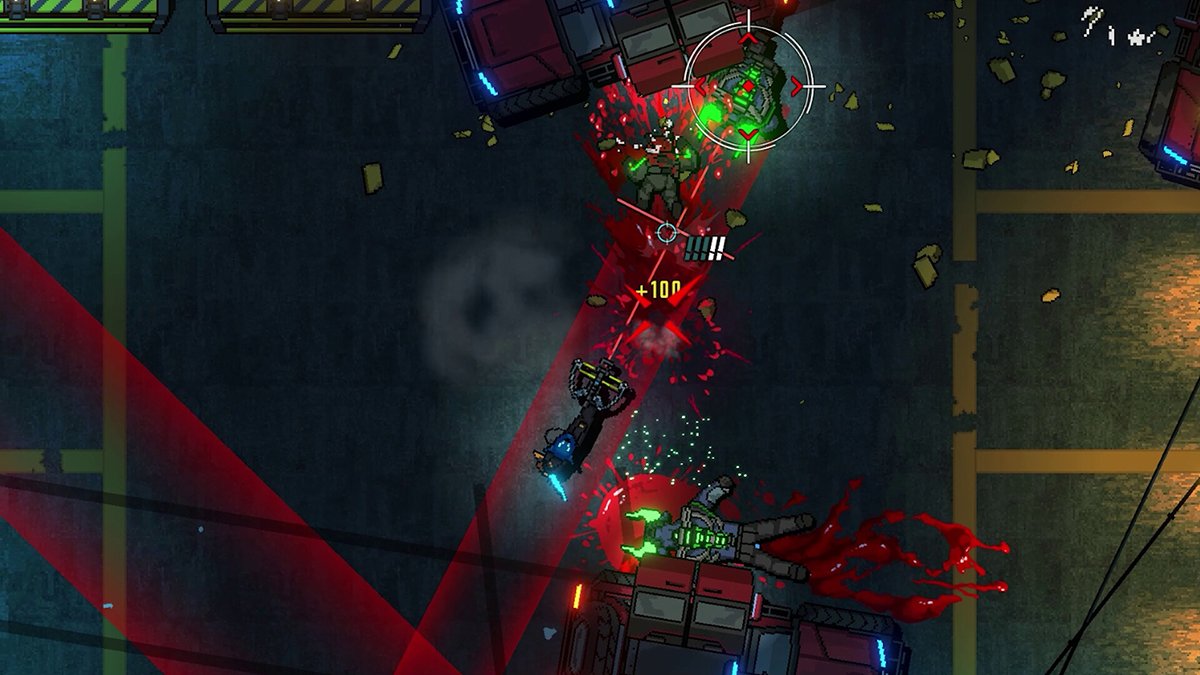
Stop at the door and look
This is the single biggest habit that separates people who bounce off this game from people who love it.
The stages are built with solid walls between you and the enemies, and that is deliberate. Those walls are free thinking time.
Sit outside the room. Figure out who is in there, what direction they are facing, and which key you are going to use before you commit.
The seconds you spend planning outside a door are the cheapest seconds in the whole game.
Once you are through that door you have about half a second to react to everything. Do the thinking beforehand.
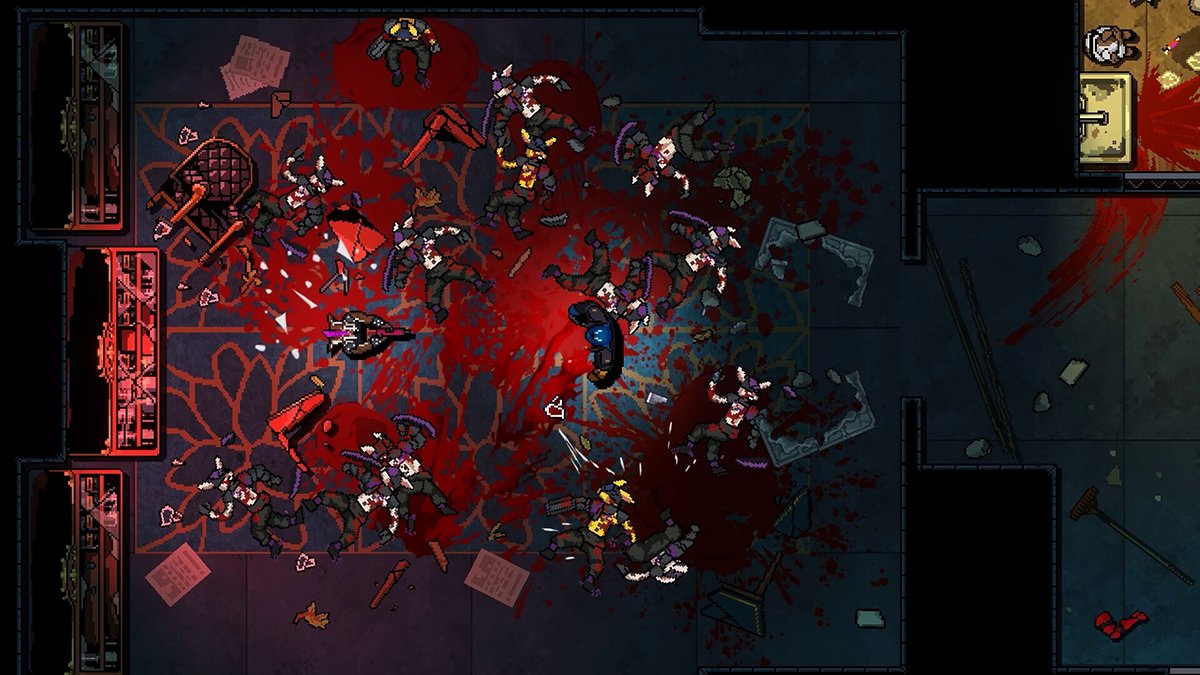
The Quantum Knife is your best weapon and it is not close
The knife auto-targets enemies in range. You do not have to aim it, which matters a lot in a game where aiming is the slowest thing you do.
It is a throwing weapon, so the obvious problem is that it leaves your hand and you are standing there empty.
That is why auto-return is the upgrade to chase first. It turns the knife from a one-shot into something you can keep swinging.
Later upgrades let you chain kills with it mid-flight, which is where the game starts feeling incredible.
If you are unsure where your bolts should go early, put them into the knife. It is the most powerful thing you own.
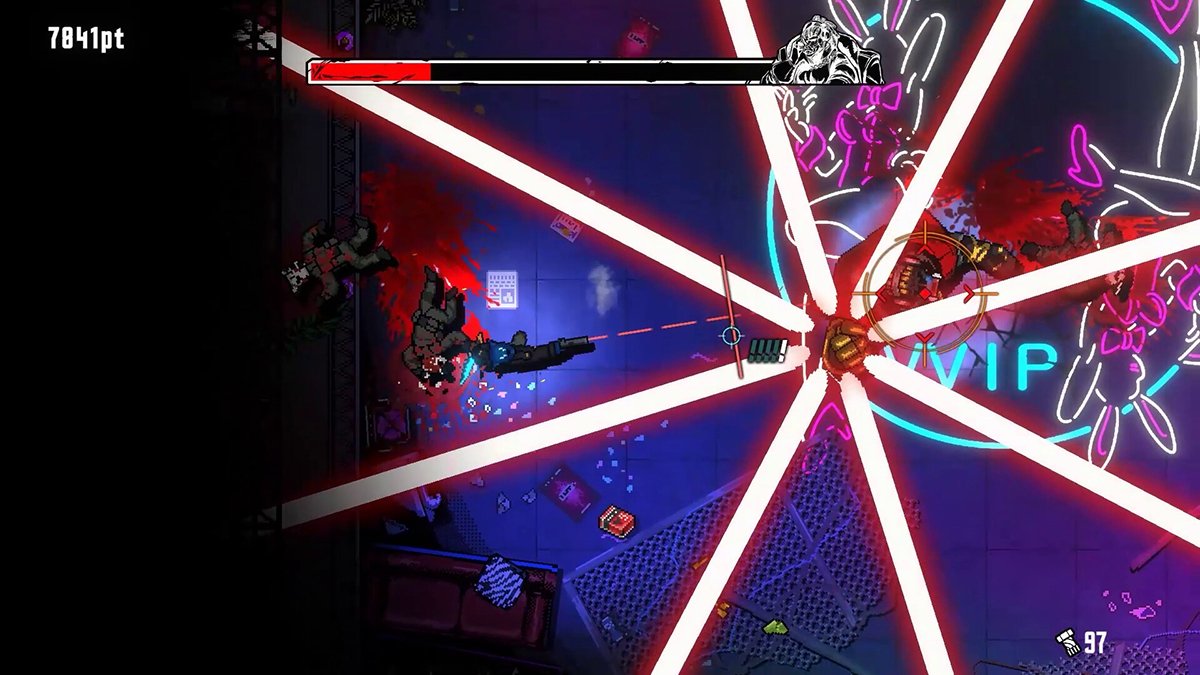
The War Hand does a lot more than punch
The War Hand is Jin’s hydraulic prosthetic arm and it is doing about four jobs at once.
It punches, obviously. It also parries melee attacks, and once you upgrade it, it reflects projectiles back at whoever fired them.
The part people miss is the charge. Hold it and you can smash straight through walls and doors into the enemy standing on the other side.
That is not a movement gimmick. That is a legitimate opening move for a room, and it kills whoever is unlucky enough to be leaning on that wall.
Think of the War Hand as the key you use when the lock is a door.
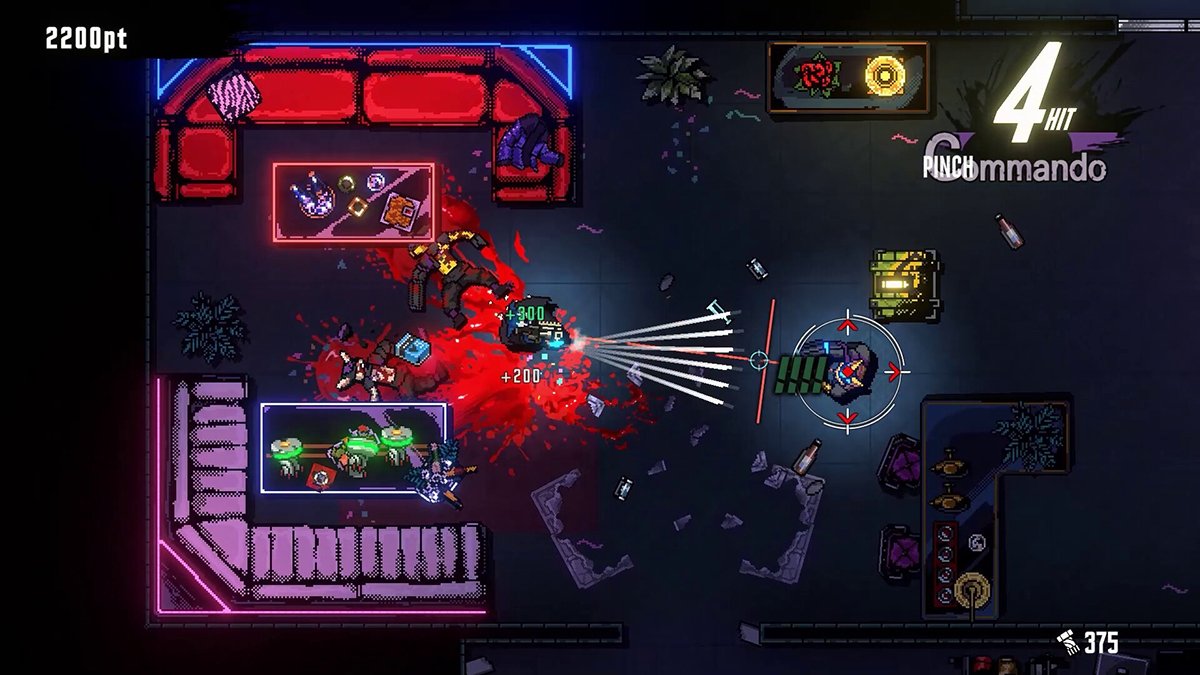
Guns are a tool, not a crutch
Firearms in Kusan are balanced so you can never relax with them. Ammo is deliberately scarce and the aiming is fully manual.
You get a handgun, a crossbow, a shotgun, and a revolver that occasionally loads double damage rounds.
The crossbow is the sleeper pick. It is silent and it punches through doors, so you can delete somebody in the next room without the room after that hearing about it.
Treat every bullet like it costs you something, because it does.
The gun is the key you save for the lock nothing else opens.
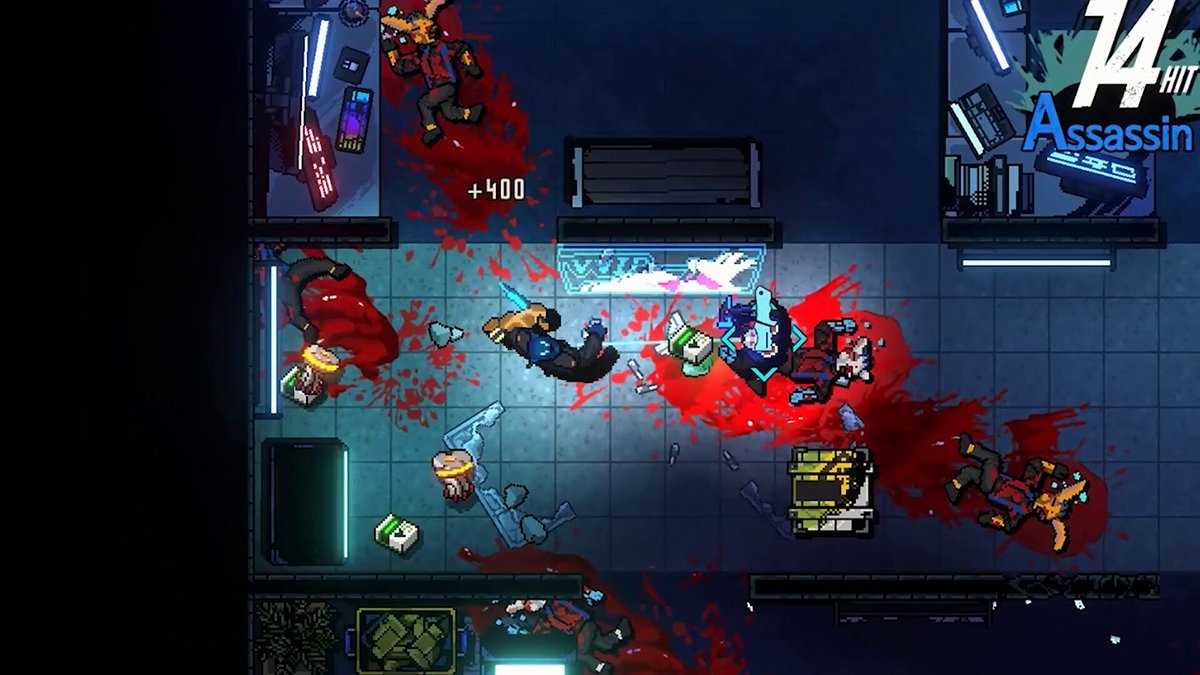
Parrying is how you beat the bosses
Regular rooms reward speed. Bosses reward patience, and that switch catches people out.
The bosses in this game escalate hard. The first one is roughly a ten minute problem, the second one is closer to forty, and the final fight can run past an hour.
You are not going to brute force any of that. Bosses are pattern reading and parry timing, full stop.
Watch a full cycle of attacks before you try to deal damage. Learn the tell, parry it, punish the gap, back off.
The final boss has a phase with pattern variations that a lot of players felt were unfair. If you hit that wall and it feels cheap, it is not just you.
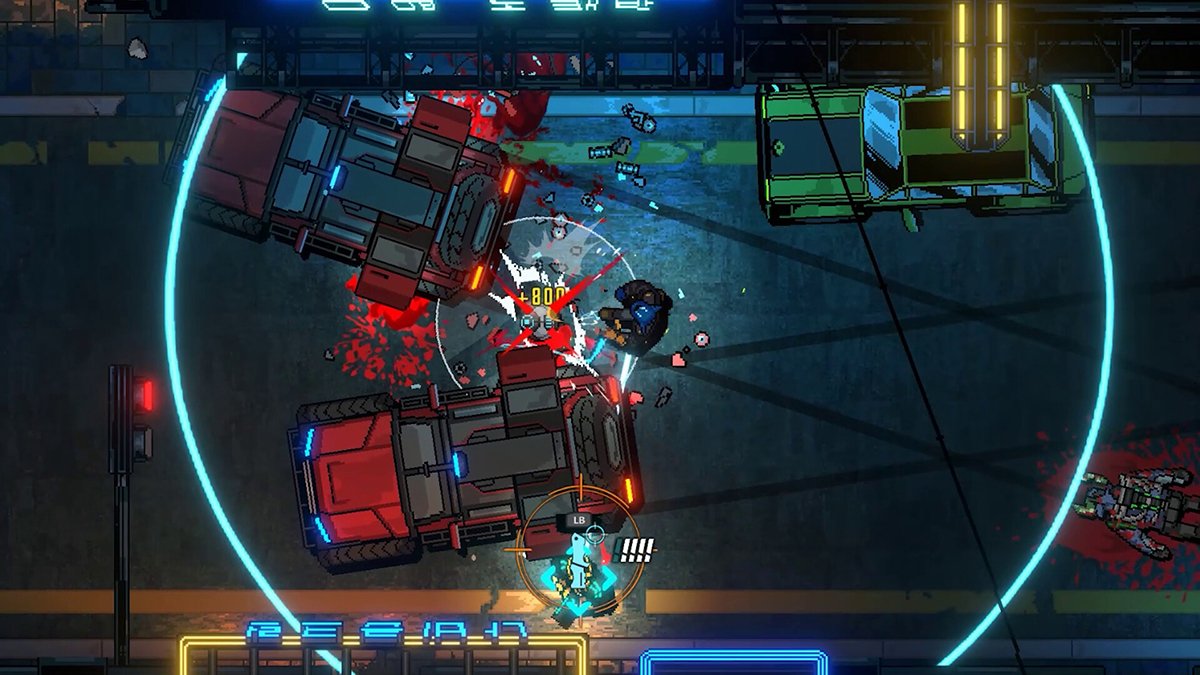
Learn what each enemy actually does
Every enemy type in Kusan is its own little lock, and knowing them on sight is most of the game.
Melee rushers charge you the second they see you. They are the easiest to bait around a corner.
Gunners close some distance before they fire, which gives you a small window that the knife is perfect for.
Armored bulls telegraph a big charge. Do not stand in it and do not try to trade with them.
Then you have robots, flying drones, and blade dogs that run at you on four legs and move differently than everything else.
You do not need to memorize stats. You need to look at a room and instantly know which of your three keys each body in it requires.
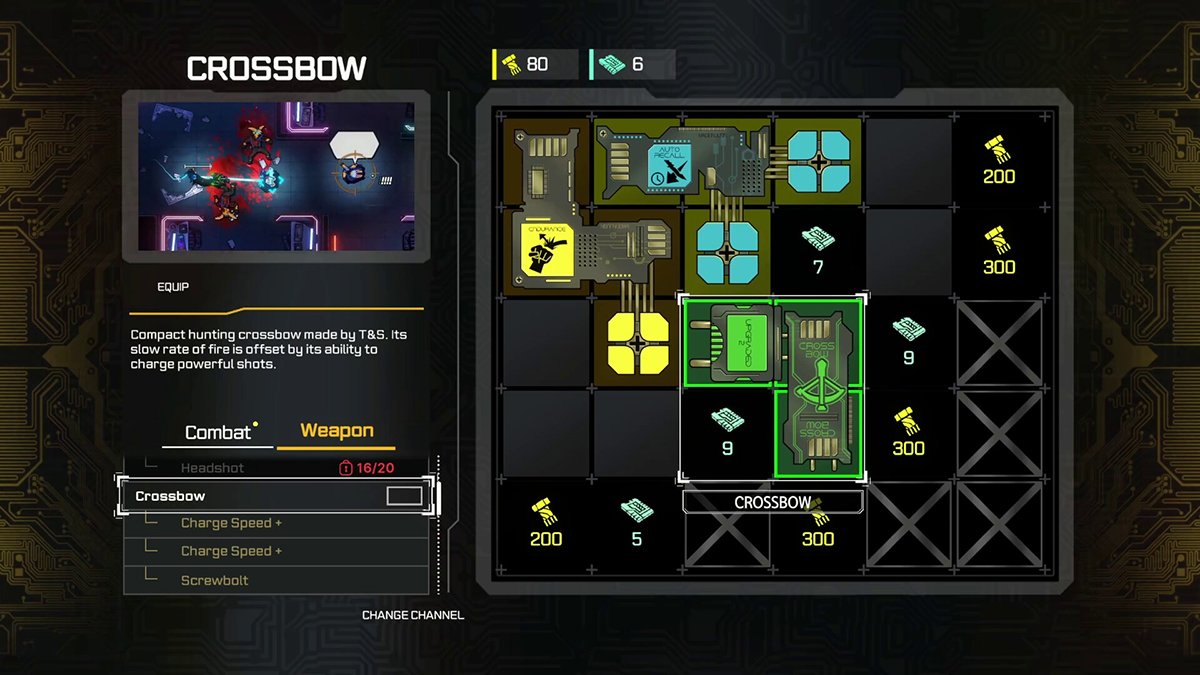
The Limbus grid punishes hoarding
Upgrades in Kusan go into a Tetris style grid, and it is smaller than you want it to be.
Every upgrade takes up a specific shape, and it has to physically fit. Weapons take up space too.
Here is the part that trips people up. Upgrading a weapon makes its footprint on the grid bigger.
So a stronger knife is also a knife that is eating more of your build. You cannot just buy everything and stack it.
You are always making a real decision, and that is what keeps the difficulty honest all the way through.
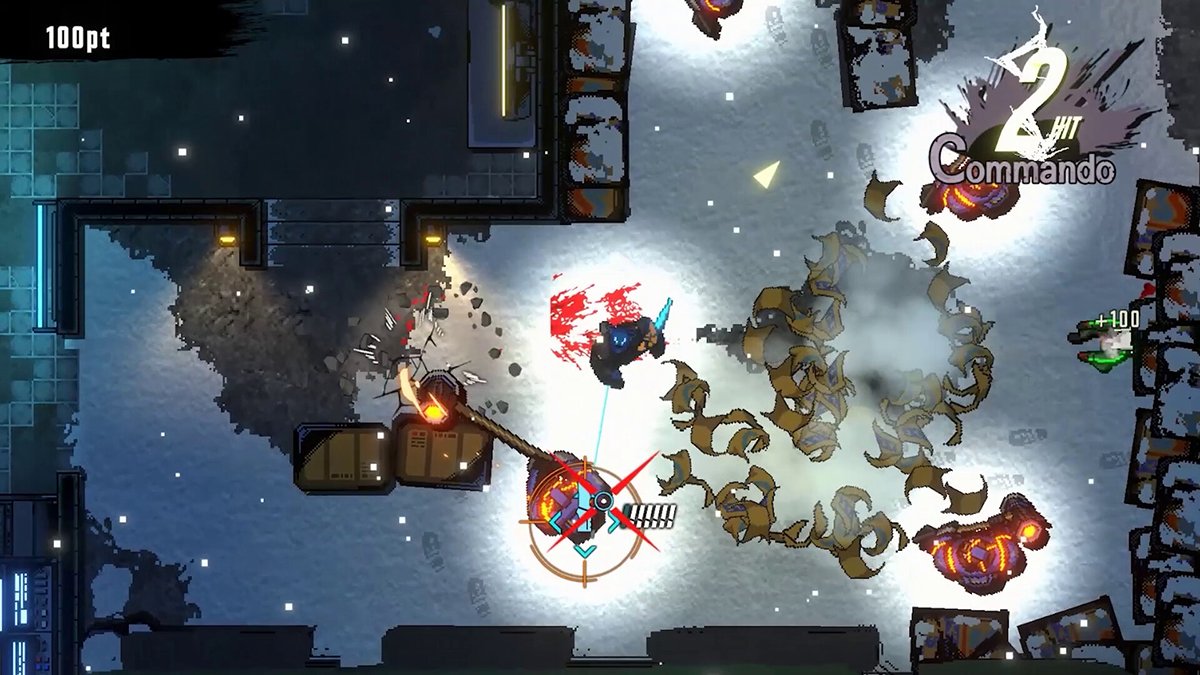
Spend your first bolts on space, not toys
Scrap bolts are the currency, and you earn them by clearing stages and by performing well while you do it.
Bolts buy upgrades. Bolts also buy grid expansions.
New players almost always spend everything on shiny upgrades and then find out they have nowhere to put the next one.
Early on, capacity is worth more than any single upgrade.
Once you have room to work with, you can actually build something instead of playing inventory sudoku after every stage.
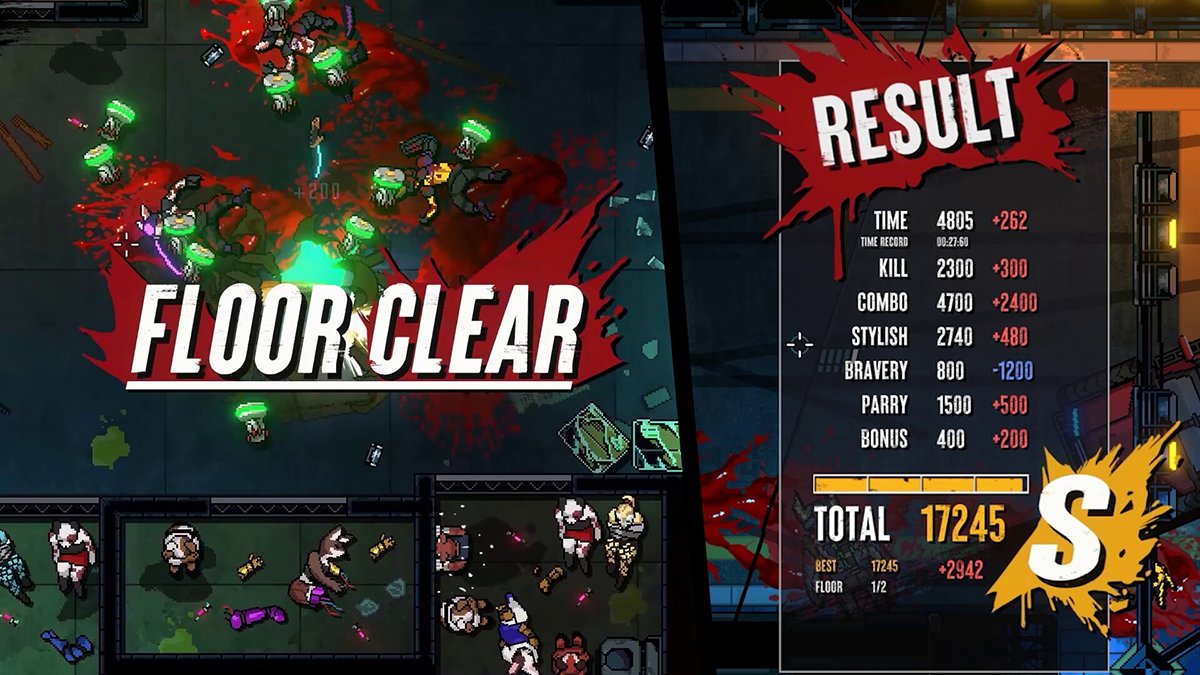
Do not chase S-rank on your first run
Kusan grades you when you finish a stage. The score looks at your completion time, the variety of attacks you used, and whether you were fighting multiple enemies at once.
Ranks go up to SS, and hitting high ones unlocks extra rewards.
Here is my honest advice. Ignore all of it the first time through a stage.
You cannot be fast in a room you have never seen. Clear it ugly, learn the layout, then come back and run it clean.
There are 54 stages across the campaign. You will have plenty of time to go back.
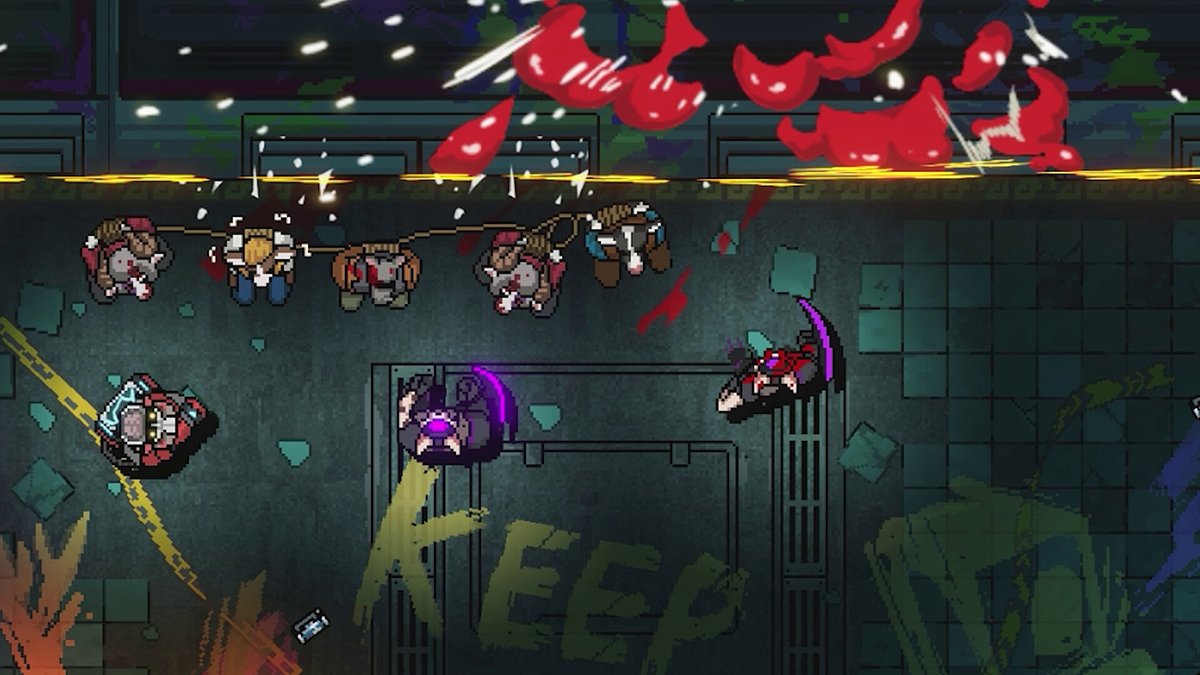
Camping a corner does not work
Every top down shooter player tries this. You find a doorway, you point your gun at it, and you wait for them to file in.
The AI in Kusan does not fall for it. Enemies will reposition instead of politely walking into your sights. Movement is your defense in this game, not cover.
The good news is the game genuinely lets you play your way. Knife runs, punch runs, and gun heavy runs are all viable.
It just will not let you play the boring way.
Explore instead of sprinting to the exit
Stages have branching paths and hidden secrets tucked into them. Later ones spread across multiple rooms and multiple floors, through nightclubs, highways, and high rise towers.
Rushing the exit feels efficient. It is not.
Secrets and full clears feed your bolt income, and bolts are the only thing standing between you and a build that can handle chapter three.
So take the side route. Punch the suspicious wall.
The moment Kusan clicks is the moment you stop reacting to rooms and start solving them before you walk in.
–
Images are from the Kusan: City of Wolves page on Steam and used under Fair Use.