
I have a soft spot for games that turn inventory management into an actual puzzle. Resident Evil 4’s attaché case, Diablo’s Tetris bags, Backpack Battles more recently: there is something satisfying about a grid that fights back.
Lootbound takes that idea and builds a whole party-based roguelite around it. ArtDock’s turn-based roguelite landed in July 2026, and it will absolutely wreck you for your first several runs.
Here is the thing that took me far too long to understand. Lootbound is not a game about finding the best sword, it is a game about where you put the sword.
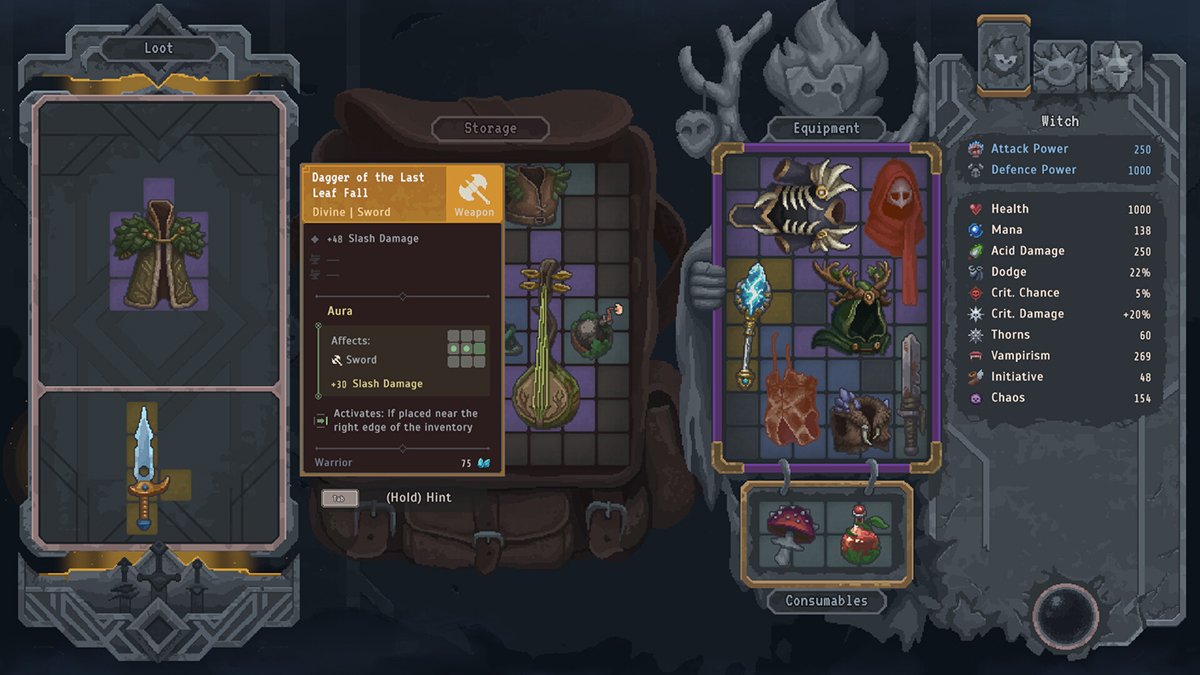
Your inventory grid is your build, not your storage
Lootbound gives your party a shared inventory grid, and every item takes up a specific footprint that you can rotate to fit. Equipment only does anything while it is placed, so the grid is not a bag you carry around, it is the character sheet itself.
That means grid space is a currency exactly like gold. Once that clicks, the hoarding instinct every RPG player has needs to go straight out the window.
Auras are the whole game, so build districts
Most meaningful gear in Lootbound projects an aura that buffs the equipment sitting next to it. Some auras only fire for certain weapon types or equipment classes, so read the activation condition before you commit the slot.
The fix is to stop scattering and start zoning. Cluster your offensive pieces around damage auras, group defensive gear together, and keep a small utility corner for situational tools.
A plain weapon sitting inside the right district will out-perform a much stronger one stranded across the grid. This is the single lesson that turns bad runs into good ones.
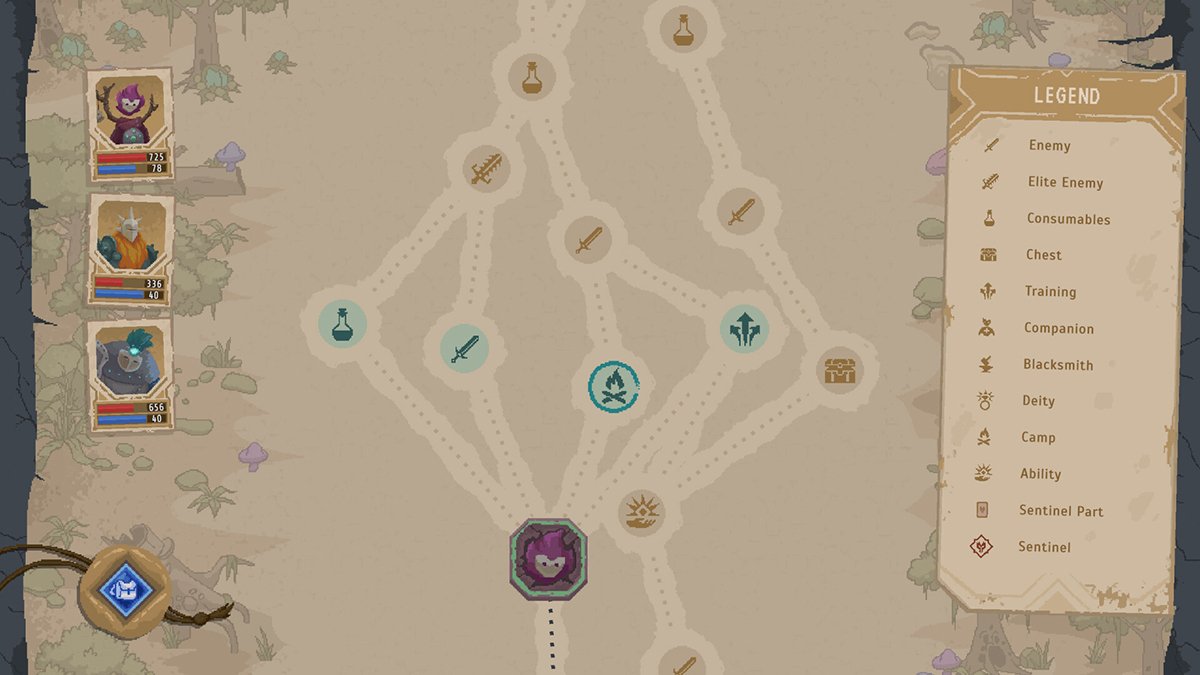
Stop chasing rarity
Every roguelite trains you to grab the gold-bordered thing, and Lootbound quietly punishes that reflex. A legendary with an awkward footprint can eat three slots and break up a cluster you spent the entire run assembling.
Judge each drop on three questions: what shape is it, does it feed an aura I already have, and what am I throwing out to make room? If the answer to the last one is “my crit cluster,” leave the legendary on the floor.
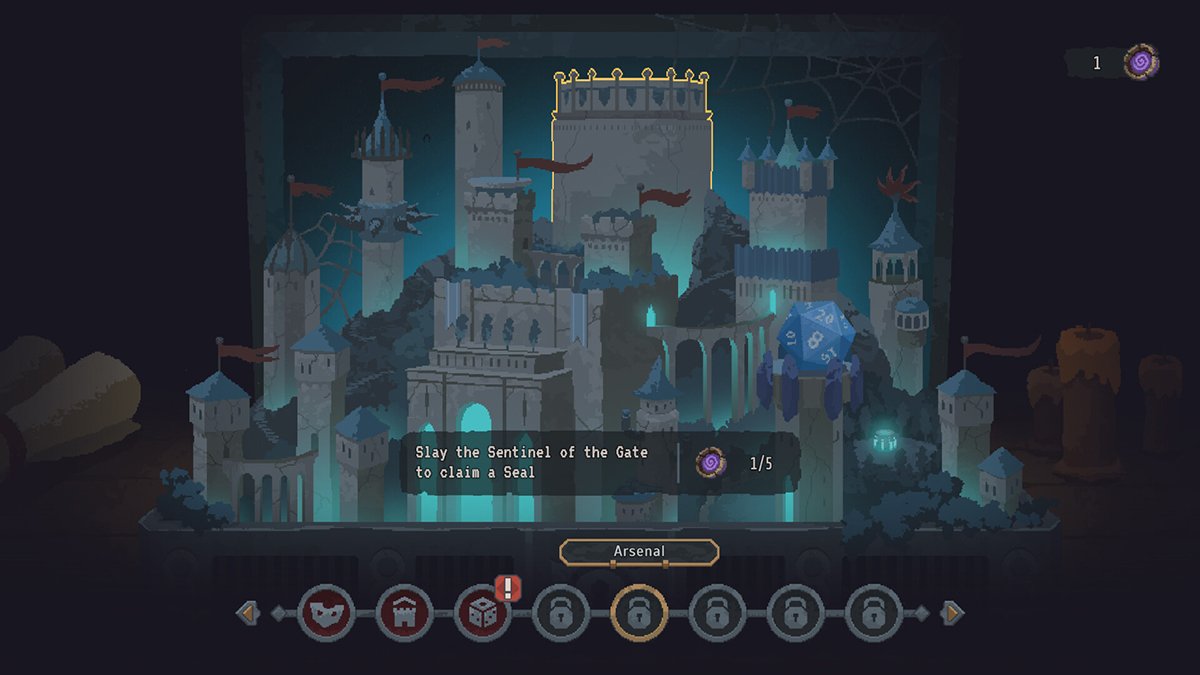
Learn the four damage types early
Damage in Lootbound splits four ways, and each one meets enemy armor differently. Base damage is the reliable all-rounder, Slash chews through health once armor is gone, Crush tears armor apart, and Acid bypasses armor entirely.
Enemies are built to wall out parties that only speak one language. Keep at least one armor-breaker and one armor-ignorer in the group and you will never hit a fight you simply cannot hurt.
Armor comes back, health does not
Armor fully restores after every battle, which makes it the cheapest resource in the game. Health does not come back on its own, and healing across a run is scarce enough that one sloppy fight early can still be hurting you at the boss.
Play accordingly: soak damage on armor, and treat every point of health loss as permanent until proven otherwise. Spend campfires before a dangerous node, not as a tidy-up after an easy one.
Mana is a run resource, not a fight resource
Basic attacks cost nothing, abilities cost mana, and mana only partially refills between fights. New players burn the whole pool clearing trash encounters and then walk into an elite with nothing but autoattacks.
Bank it. Accessories that restore mana look boring next to a flat damage bonus, but they are run extenders, and runs are the thing you are actually playing for.
Initiative decides fights before they start
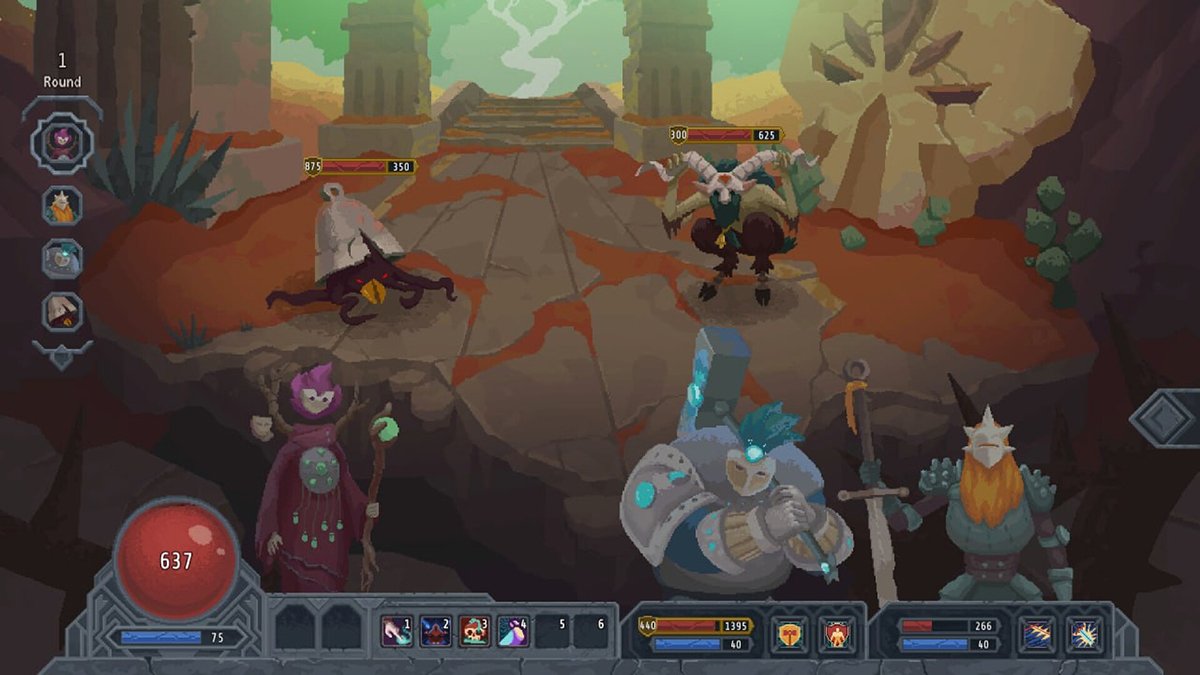
Turn order runs on initiative, and it quietly settles most encounters. Going first means your buffs land before your attacks instead of after, and it means the terrifying thing in the back row might never get a turn at all.
Sequence your party with that in mind: setup effects first, payoff second. Killing something before it moves is the best defensive stat in the game.

Kill things in the right order
Target priority goes buffers, then debuffers, then high damage, then tanky enemies last. Buffers make every other enemy on the board worse for you, so they are the highest value kill even when their own damage looks harmless.
Tanks come last because they are a slow problem, not an urgent one. Grinding through an armored wall while a support quietly stacks buffs on the rest of the room is exactly how a promising run falls apart.

Know what each class actually wants
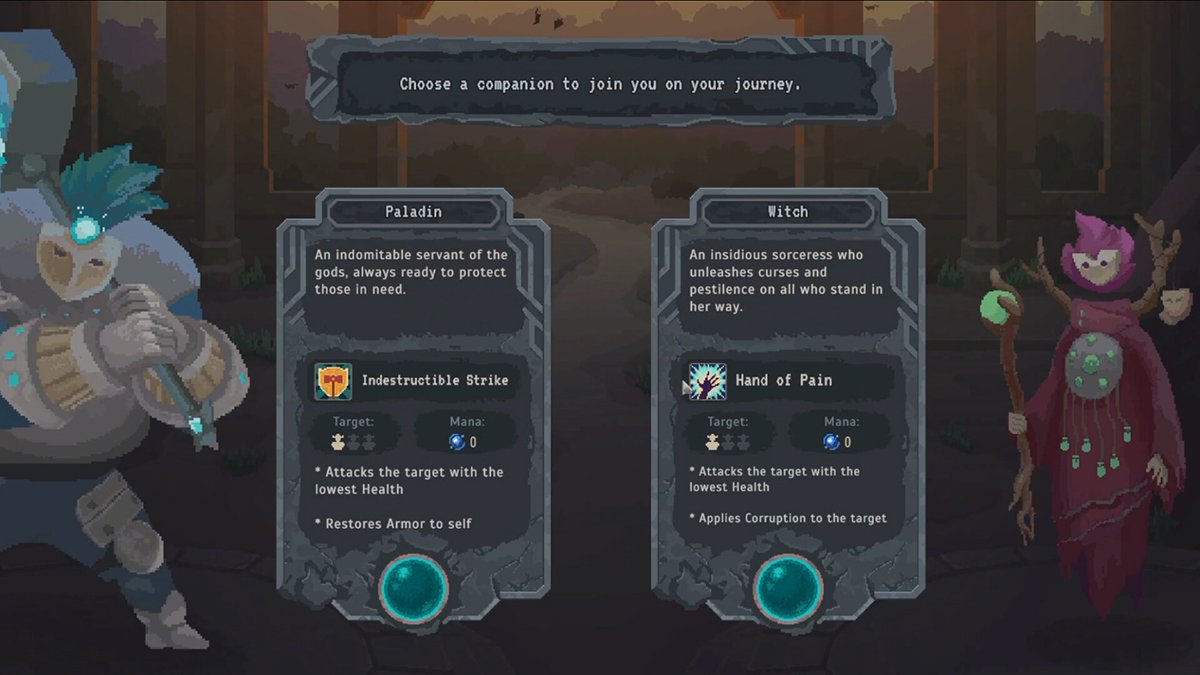
Warrior is your damage lane, leaning on slash, critical chance, and vampirism. Paladin is the survival specialist built around armor, health, resistance, and Order.
Witch handles magic with acid damage, chaos, mana, and debuffs, while Jester is a support who strengthens the party through buffs and instruments. You start solo and recruit as you go, so every run hands you a different roster to work with.
Two stats deserve their own note. Order amplifies beneficial effects like healing and armor repair, Chaos amplifies negative effects on enemies, and they pull in opposite directions, so pick one per character and lean in.
Pick one build and commit
The three lanes that work best for newcomers are crit, lifesteal, and tank. Crit stacks critical chance and critical damage, lifesteal pairs vampirism with steady reliable hits, and tank piles on armor, resistance, and health until attacks stop mattering.
Sprinkling a little of everything across your grid is the most common way a run dies quietly. Rebuilding halfway through when better pieces show up is not a failure, by the way, it is the expected rhythm of the game.
Use the map events properly
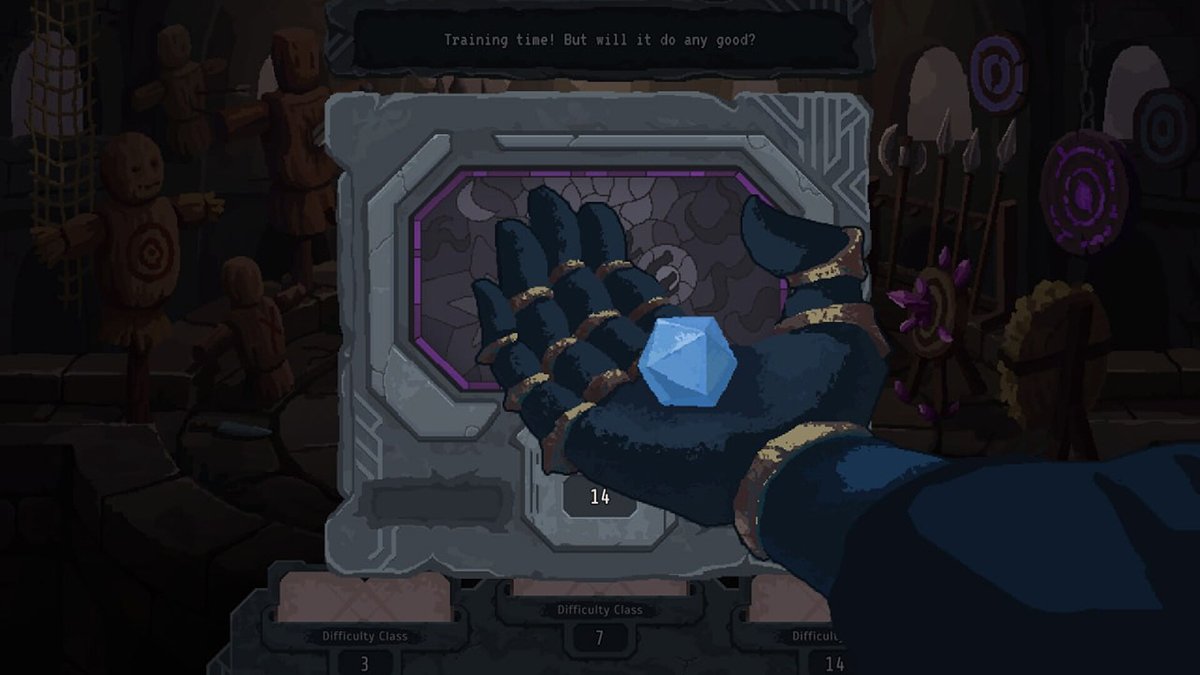
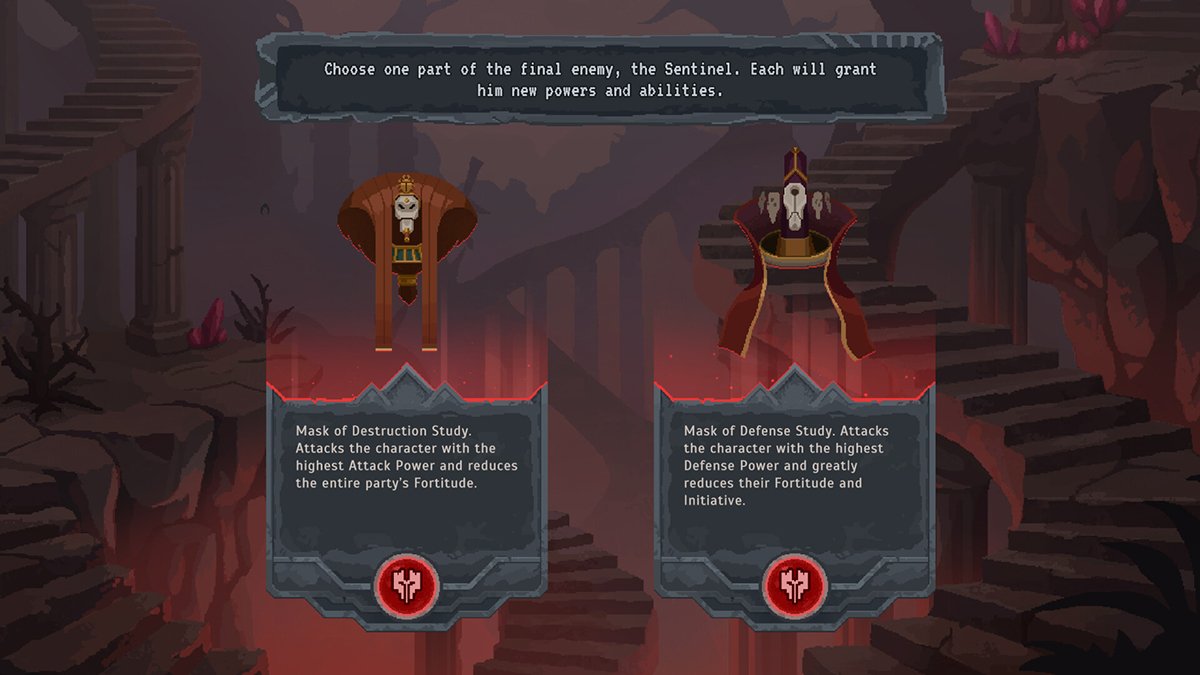
The blacksmith enchants gear with gems for permanent upgrades, and it is worth prioritizing early while your build is still cheap to improve. Training events are dice rolls, so treat them as a calculated gamble rather than free value.
Consumables are the most forgotten tool in the game. Potions and bombs do not cost you a turn, which means there is almost never a good reason to die with a full pouch.

Mistakes to stop making right now
A quick list of the habits that will sink your early runs:
- Equipping new gear the second you find it, before checking what it displaces
- Keeping items “just in case” when the space is worth more than the item
- Spending mana on fights you could have won with basic attacks
- Forgetting that items rotate (a lot of awkward pieces fit fine sideways)
- Spreading stat bonuses thin instead of stacking one thing high
- Dropping a strong item next to nothing and wondering why it feels weak
The verdict on your first few hours
Lootbound’s difficulty is front-loaded in a way that is easy to mistake for unfairness. The systems only click once you stop treating the grid as a bag and start treating it as a board.
It will not land for everyone. If nudging items around to chase an aura sounds like a chore rather than a puzzle, no amount of tips is going to make this your roguelite.
For everyone else, give it four or five runs before you decide. Somewhere around run three you will assemble a district that just works, and the whole game snaps into focus.
–
Screenshots are from the Lootbound page on Steam and used under Fair Use.