
Back in 2017, Borealys Games built Mages of Mystralia around a lovely idea: the puzzle was not the dungeon, it was your own spellbook. You dragged runes around a grid until something useful fell out.
Nine years later they have taken that idea and dropped it into a roguelite, and the new version is considerably less patient with you. Echoes of Mystralia arrived in Early Access on August 11, 2026, and it will happily let you flail for three or four runs before anything clicks.
So here is the orientation the game does not really give you. Nothing below is a spoiler, it is just the stuff that turns run five into a much better time than run one.
What Echoes of Mystralia actually is
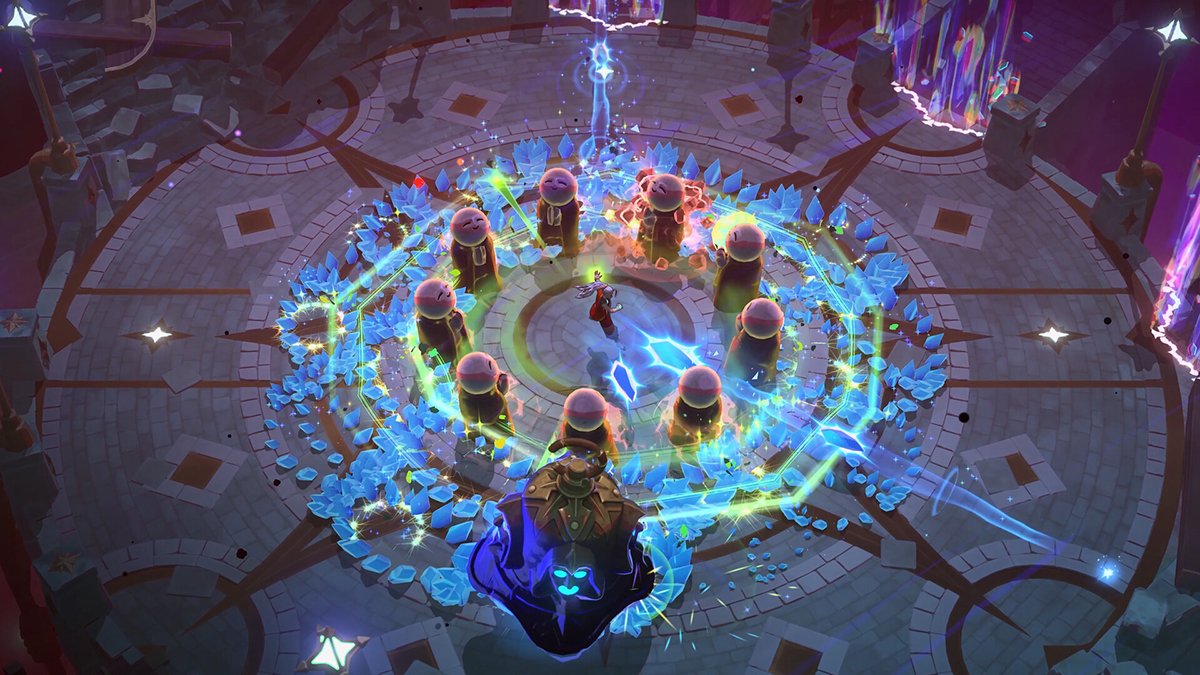
This is a top-down action ARPG roguelite with a spellcrafting system bolted directly to its spine. Think of the run structure as Hades and the build freedom as something closer to Noita or Magicraft, sanded down into something you can actually parse mid-fight.
You play as Mazarim, a Watcher guarding the Cycle of Memories against the Shadows of the Past. A full run takes roughly 40 minutes, and Early Access ships with three biomes, each broken into smaller regions with their own quirks.
When you die, you lose the run. What you keep is permanent progression, and that is the whole loop.
Your first few runs are the tutorial
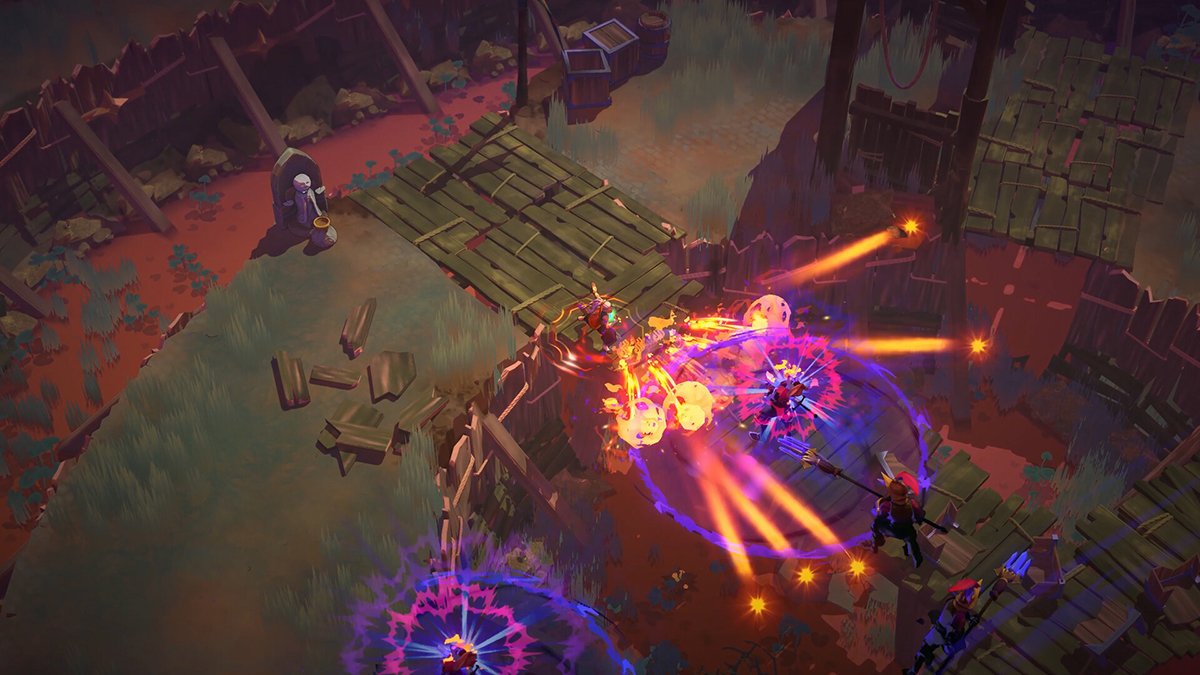
The most common early complaint about this game is that the spellcrafting takes a while to warm up. You do not start with the toybox open, you start with a couple of blunt instruments and unlock the interesting stuff over time.
Do not judge the game on run one, and more importantly, do not judge yourself on run one. Your job in those first attempts is to learn what the systems are called and where they live, not to win.
Spellcrafting: forms, elements and Memories
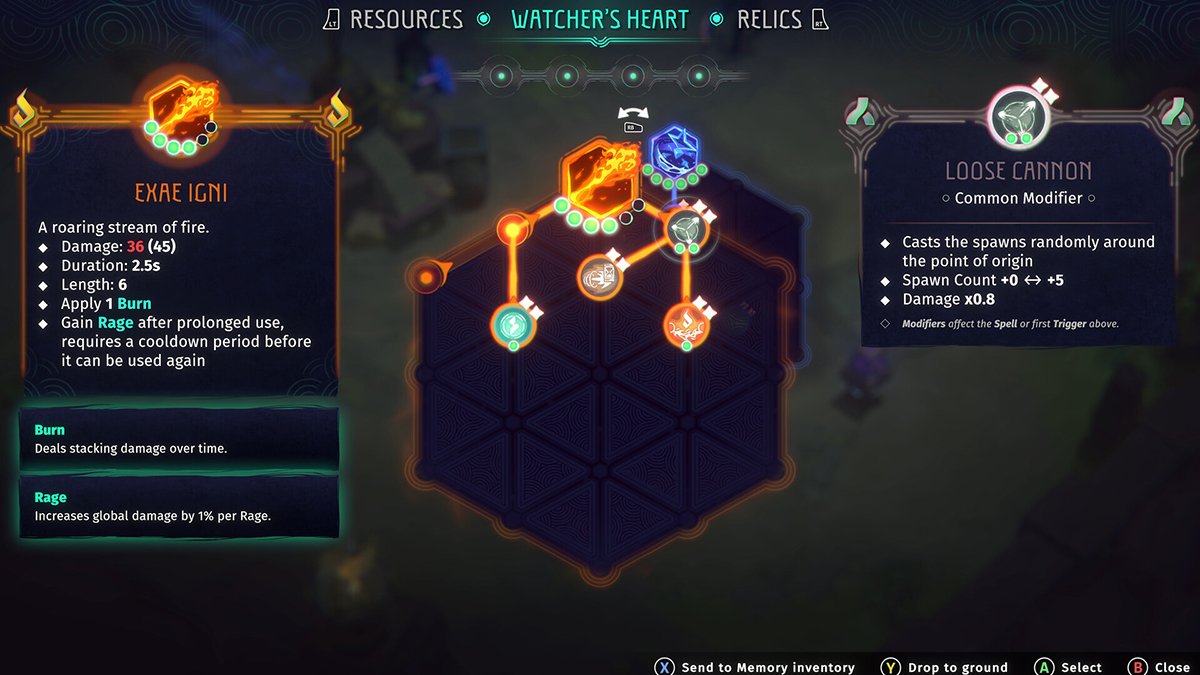
There are three layers to any spell you build. The form decides how the magic gets delivered, the element decides what flavor of damage it does, and Memories are the modifiers that change how the whole thing behaves.
Early Access gives you 16 starting spells, 7 elements, and over 100 Memories to layer on top. That sounds like a lot because it is, but the important part is the hierarchy.
Your base spell is the chassis. Memories are the actual build. A middling spell buried under the right Memories will out-perform a flashy one you never modified.
Pick two spells and marry them
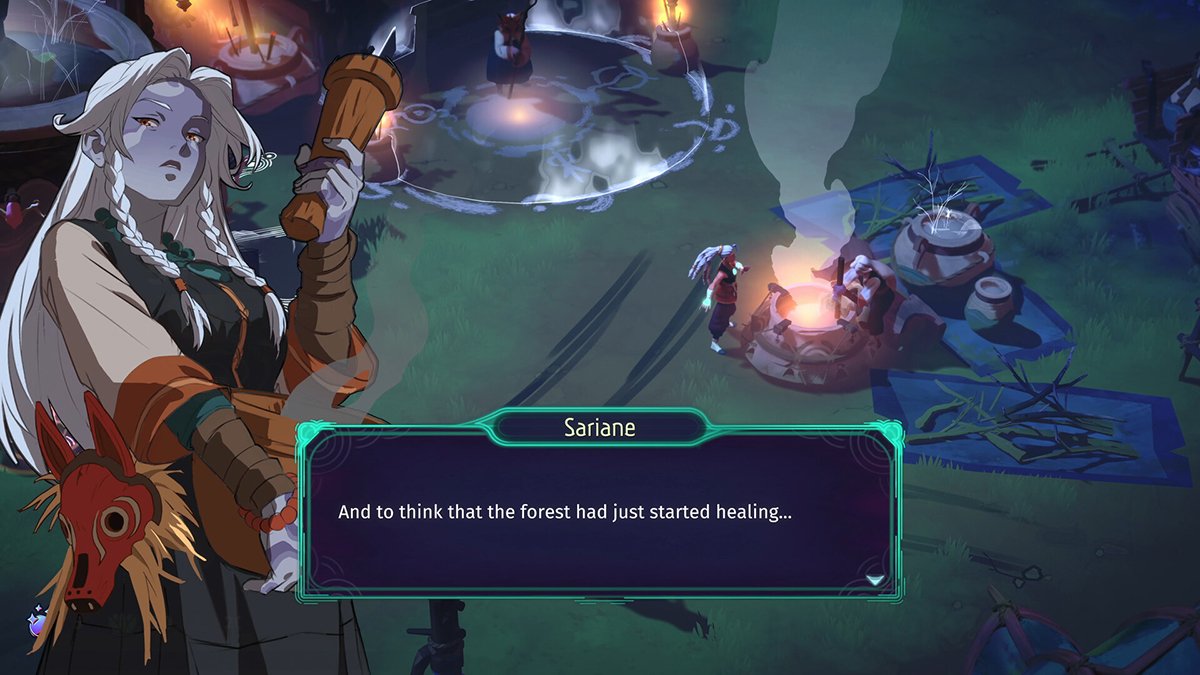
You carry two spells into a fight at any given time. New players tend to swap constantly, chasing whatever just dropped, and end up with two half-finished ideas instead of one good one.
Settle on a reliable single-target option and one crowd-clear option, then feed everything you find into those two.
Variety is fun in the abstract, but a run that ends at minute twelve is not fun in any sense.
Treat memory slots like a budget
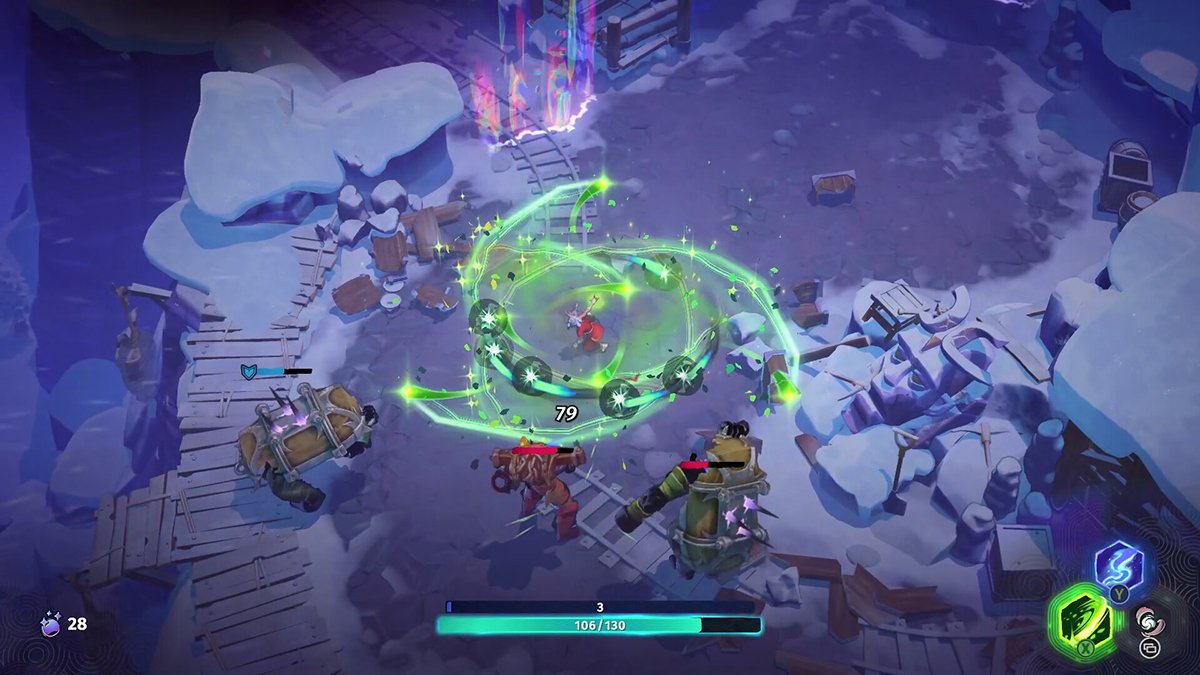
Memories are not free. The stronger ones eat more slots, and the strongest of them do not just add damage, they rewrite an attack pattern outright.
Here is the rule of thumb worth internalizing early: one expensive Memory that changes how a spell works usually beats three cheap ones that add flat damage. The catch is that this only holds if you are attaching it to the spell you are actually using as your main damage source.
If you are spending slots on your backup, you are spending them wrong.
Relics are rentals, not investments
Relics are passive bonuses you pick up during a run, and they do genuinely useful things: healing after you clear an encounter, extra memory slots, that kind of leverage. There are more than 40 of them in Early Access.
The thing to remember is that Relics reset when you die or finish a run. They are not part of your long-term plan, they are duct tape for the run you are currently in.
So take the Relic that patches your current problem, not the one that sounds strongest on paper. If you keep dying at low health in room transitions, the boring healing Relic is the correct pick and you should stop arguing with yourself about it.
Movement is your real defense
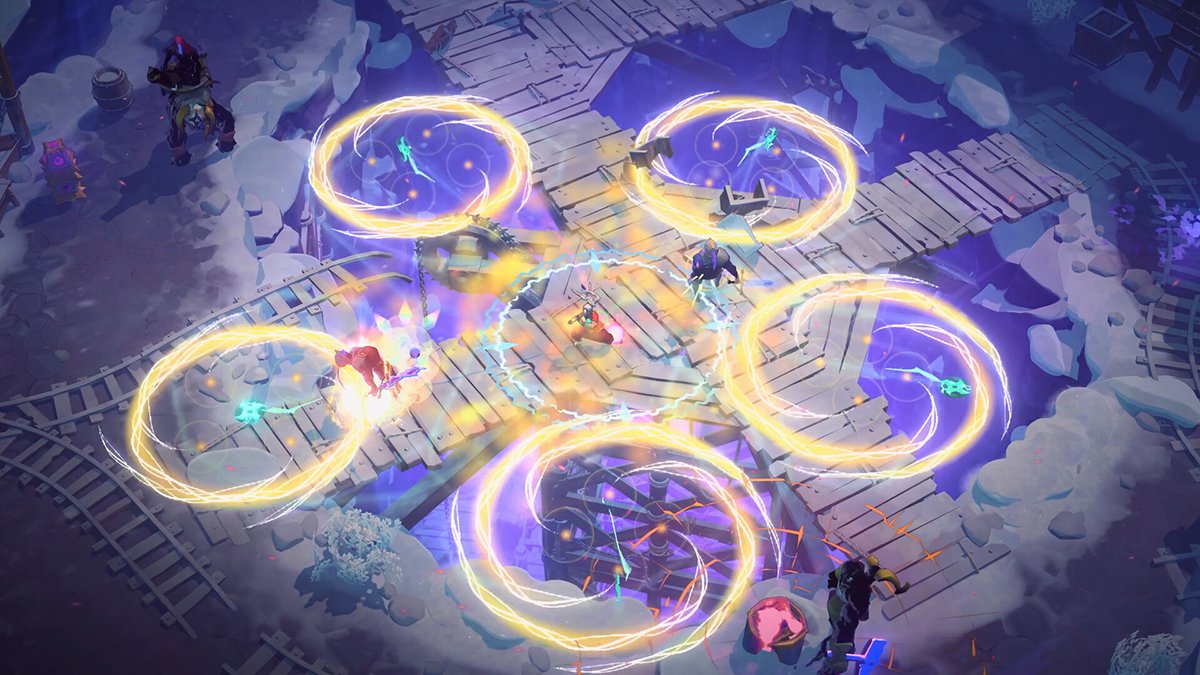
Your dash is the single most important button in the game. It gets you out of ground effects, off hazard lines, and through the gap in an attack pattern.
Enemy telegraphs here are honest, meaning the game tells you what is coming, but it does not slow down to make sure you noticed. Most early deaths are not one big hit, they are chip damage accumulated while standing still to finish a cast.
Get comfortable interrupting your own damage to reposition. It feels bad and it will keep you alive.
Break shields before you chase damage
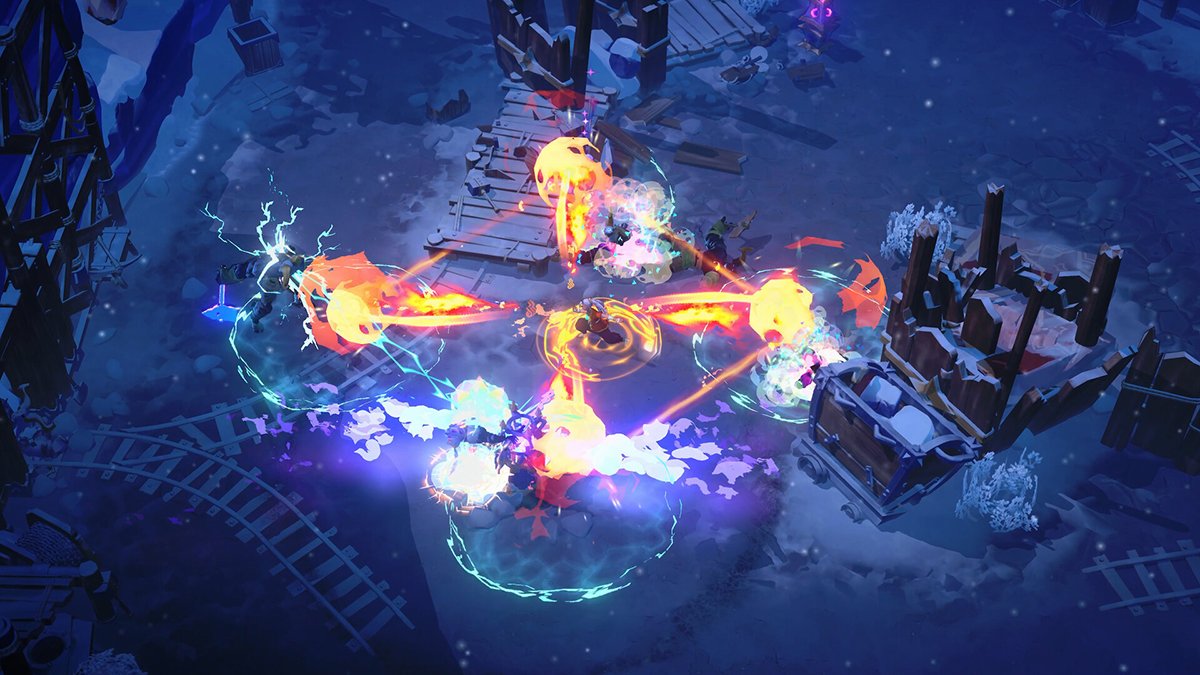
Plenty of enemies come shielded, and breaking a shield stuns them. That stun window is where your damage actually lands safely.
This is why crowd control tends to feel stronger than raw damage numbers in the early game. A build that locks a room down and then executes it will carry you further than a build that hits like a truck and gets swarmed.
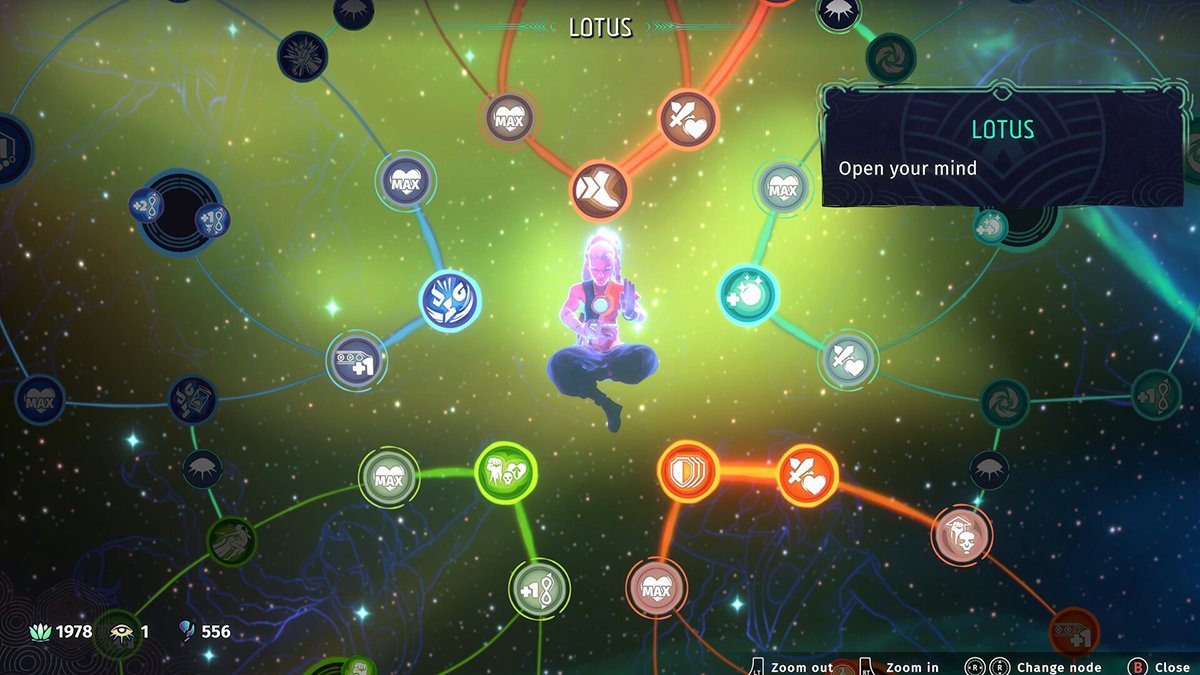
What to unlock first in the Lotus
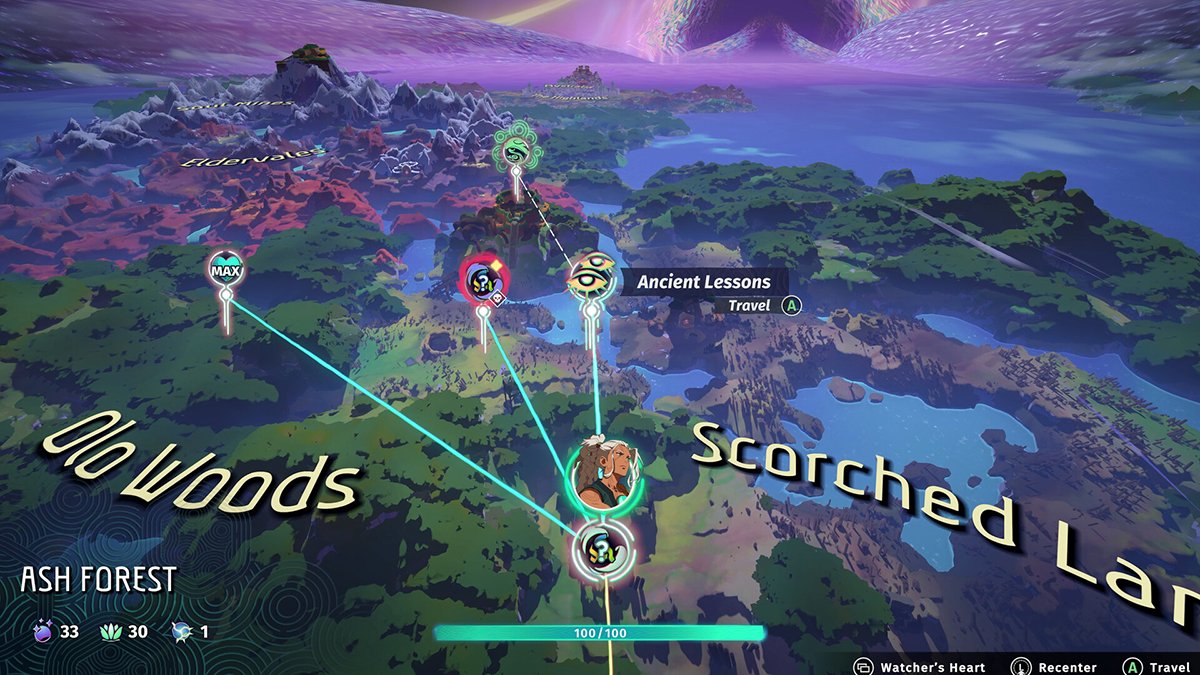
The Lotus is the permanent progression system you invest in back at the Azimuth Temple between runs, with more than 50 Altar upgrades available. This is where your losing runs turn into something.
Be warned that it is slow. A fair amount of the early tree is small percentage buffs, the kind that read as 1% healing after clearing a room and do not change how a fight feels.
Prioritize survivability and anything that expands memory slot capacity, since slots are what let your builds get interesting.
The trickle upgrades can wait, and honestly, this is the system most likely to get reworked before 1.0.
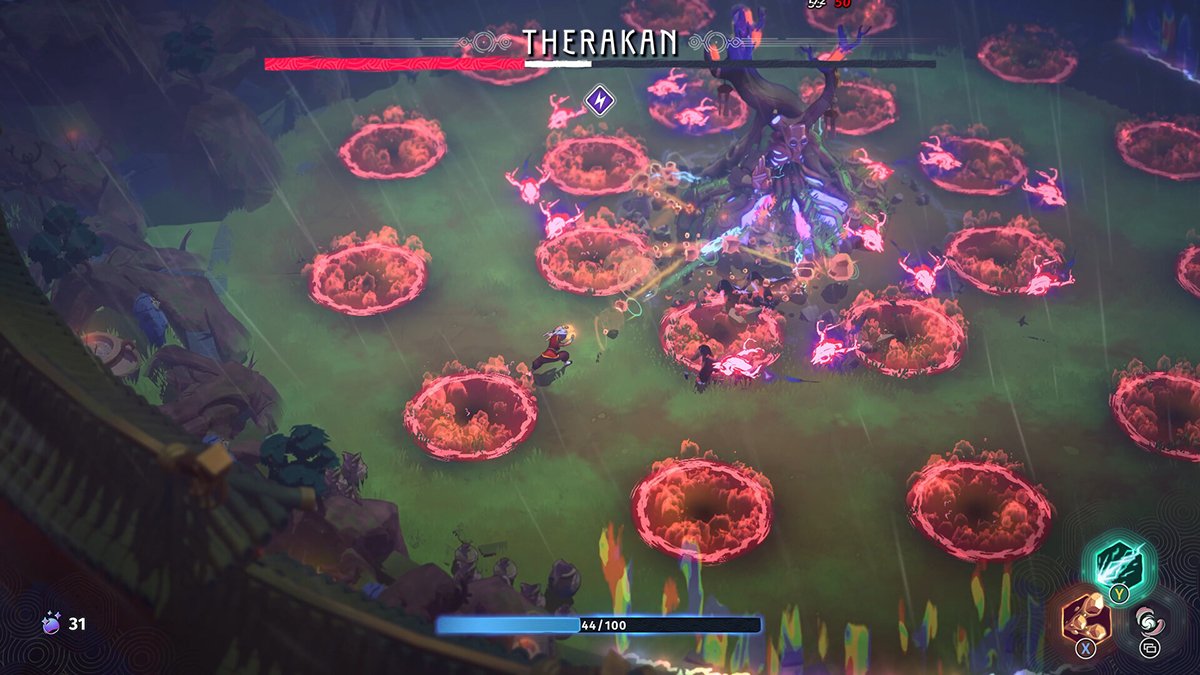
Facing Therakan, the first Guardian
Therakan is the capstone boss of the Ash Forest, and he is the first real check on whether you have been paying attention. He is also not a DPS race, which is the mistake most people make on their first attempt.
His two lessons are ground spawns and trails. Marked zones appear under you or along the path you are about to walk if you keep moving in a straight line, so break your movement into angles instead of runs.
The trails are the sneakier problem. Lingering hazard on the floor does damage that feels trivial in isolation and then quietly removes half your health bar over a long phase.
Keep a ranged option equipped for this one, and check three things constantly: whether there is a marker under you, whether you have boxed yourself in behind your own hazard trail, and whether your dash is off cooldown before the next big telegraph. Adds that show up mid-fight can usually be ignored unless they are elite-grade.

Where Early Access actually sits
What is here right now is three biomes, a deep spellcrafting system, and combat that is genuinely snappy once you stop fighting the controls. What is not here yet is the full story, the remaining regions, and a meta progression tree that feels worth the grind.
Borealys is targeting full release within a year, with additional regions and story acts on the way. If you want a finished narrative arc, that is a reasonable thing to wait for.
If you are the kind of player who enjoys taking a systems toybox apart before the developers have finished labeling the pieces, though, this is already a good time. Just go in expecting to lose a lot early, because the game gets substantially better the moment you stop treating your spells as loadout and start treating them as a project.
–
Images are from the Echoes of Mystralia page on Steam and used under Fair Use.