
There’s a specific kind of ache that comes from watching a cozy game launch in another country first.
That’s where I’ve been since the end of July. Village in the Shade came out in Japan on July 29, and the English version isn’t arriving until later this year.
So I did the next best thing and went digging through everything I could find about how it actually plays. It turns out there’s a lot to learn before any of us get our hands on it.
One quick note before we start. All of this comes from the Japanese release, so a few of the names below are my own translations and may look a little different once NIS America finishes localizing the game.
What is Village in the Shade?
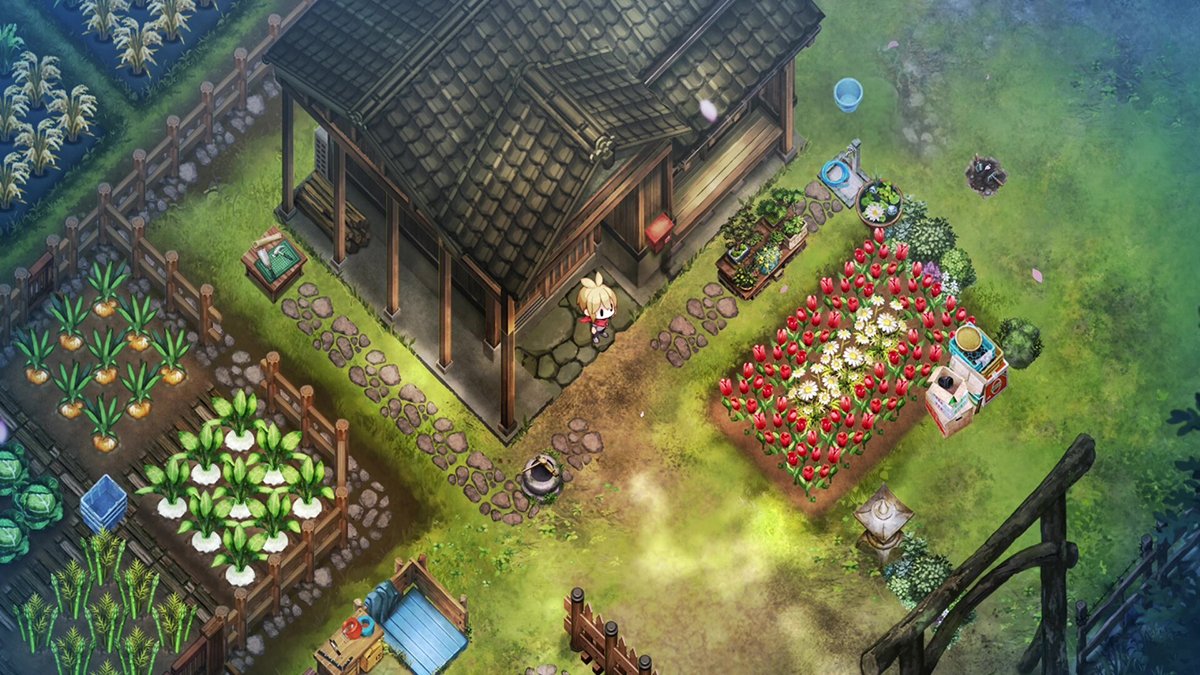
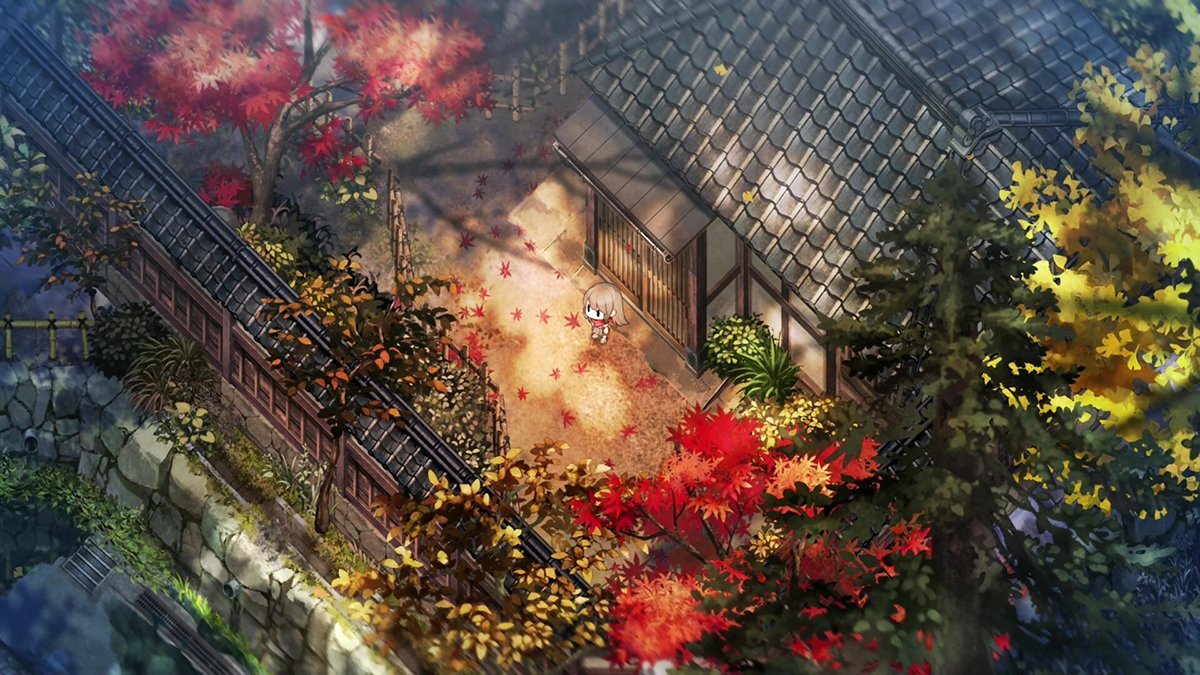
It’s a farming sim set in Kagatsu, a small mountain village in Japan. You move in, you clear out an overgrown garden, and you start getting to know your neighbors.
If you’ve played Stardew Valley, the daily rhythm will feel familiar within about ten minutes. Wake up, water the field, forage, talk to people, collapse into bed.
The difference is who made it. This one comes from Nippon Ichi Software, and specifically from the team behind Yomawari, a horror series about a kid wandering a Japanese town after dark.
So yes, it’s cozy. It’s also a game where the village has rules, and those rules exist for a reason nobody wants to explain to you.
You’ll be able to play it on Switch, Switch 2, PS5, and Steam.
Choose your mode carefully, because you can’t change it later
This is the decision that matters most, so I’m putting it right at the top.
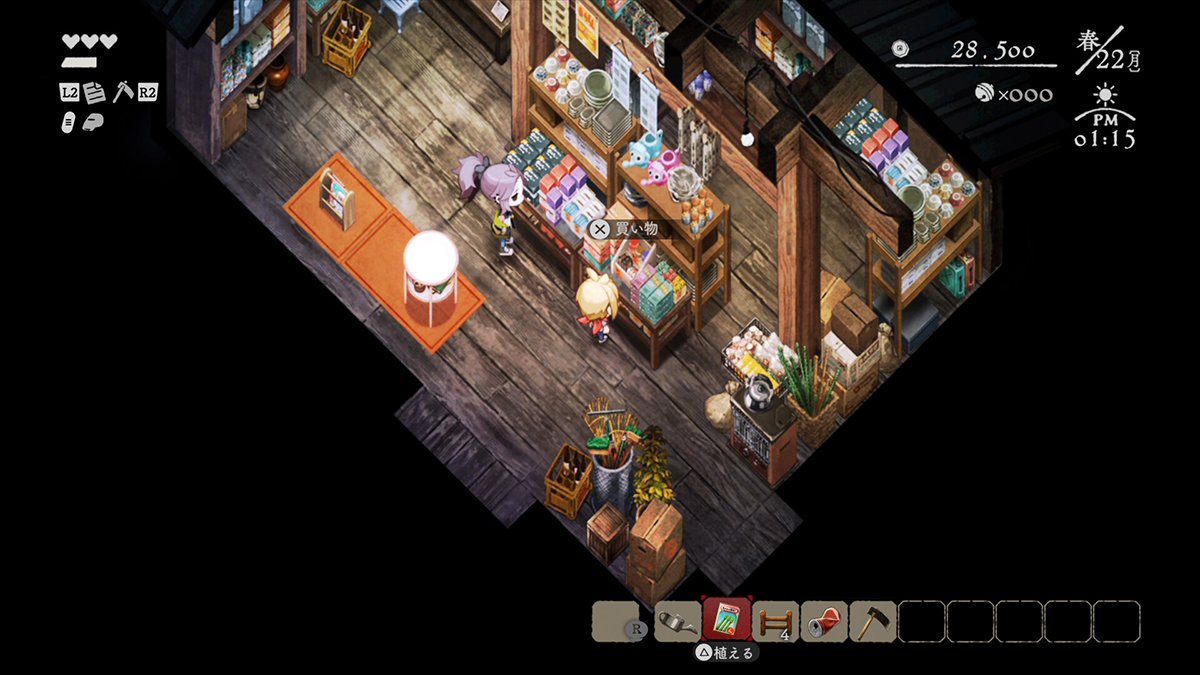
When you start, you pick between normal mode and a gentler option I’ll call peaceful mode. In peaceful mode, the village rules become physically impossible to break.
That means no nighttime events and no horror whatsoever. You still get farming, fishing, animals, cooking, festivals, and every villager relationship.
Normal mode leaves the rules breakable, which opens up the mysteries and the entire nighttime half of the game. It also appears to be where the real story lives.
You cannot switch modes partway through a save. Take peaceful if horror is a genuine no for you, otherwise I’d start on normal and simply ignore the night content until you feel ready for it.
Read the rules before you break them
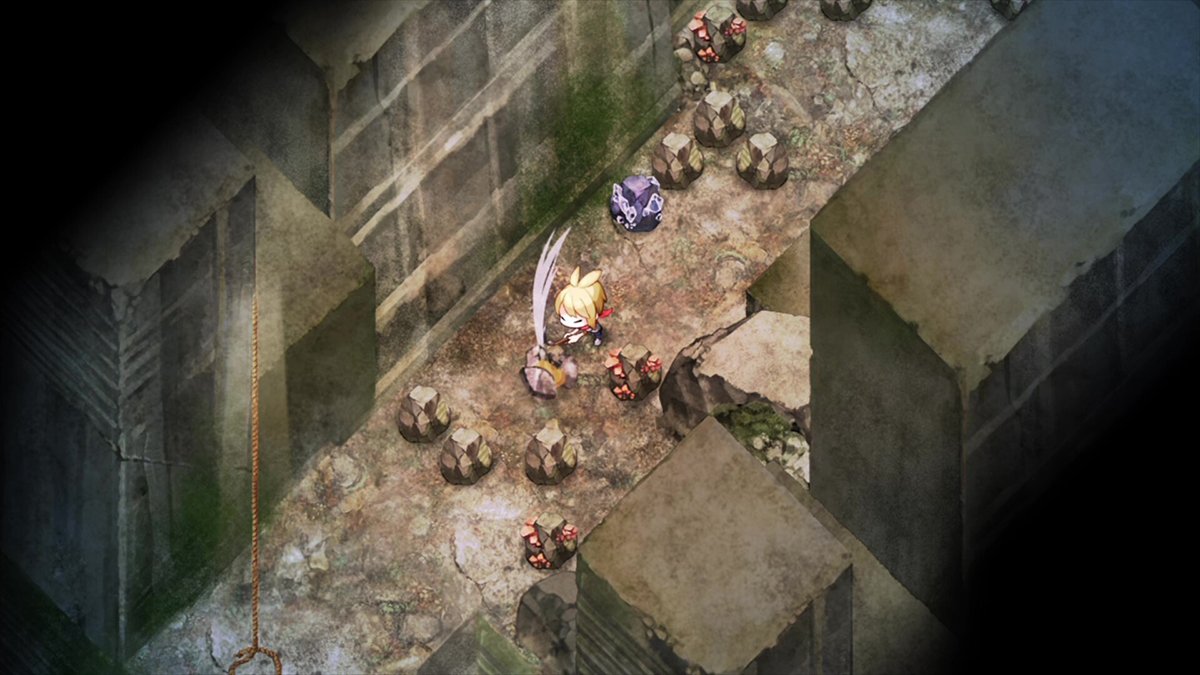
Kagatsu has eight rules, and the villagers get noticeably cagey when you ask what happens if you ignore one.
- Don’t go outside after 11 PM
- Cooperate for the good of the village
- Don’t approach strangers
- Don’t expose other people’s secrets
- Never leave the village
- Don’t answer voices coming from the mountain
- Don’t go looking for lost things
- Wanting something means paying for it
Treat that list as a map rather than a warning. Almost every rule points directly at something the game wants you to find eventually.
Buy the big backpack first
Your starting inventory is tiny, and it will drive you up a wall by roughly day three.
The large backpack costs 7,000, and it should be your first real purchase. Everything else can wait a week.
Resist the pull of decorations or extra seeds before you’ve got the space to bring a full harvest home. More carrying capacity quietly makes every other activity better.
Fish before you farm
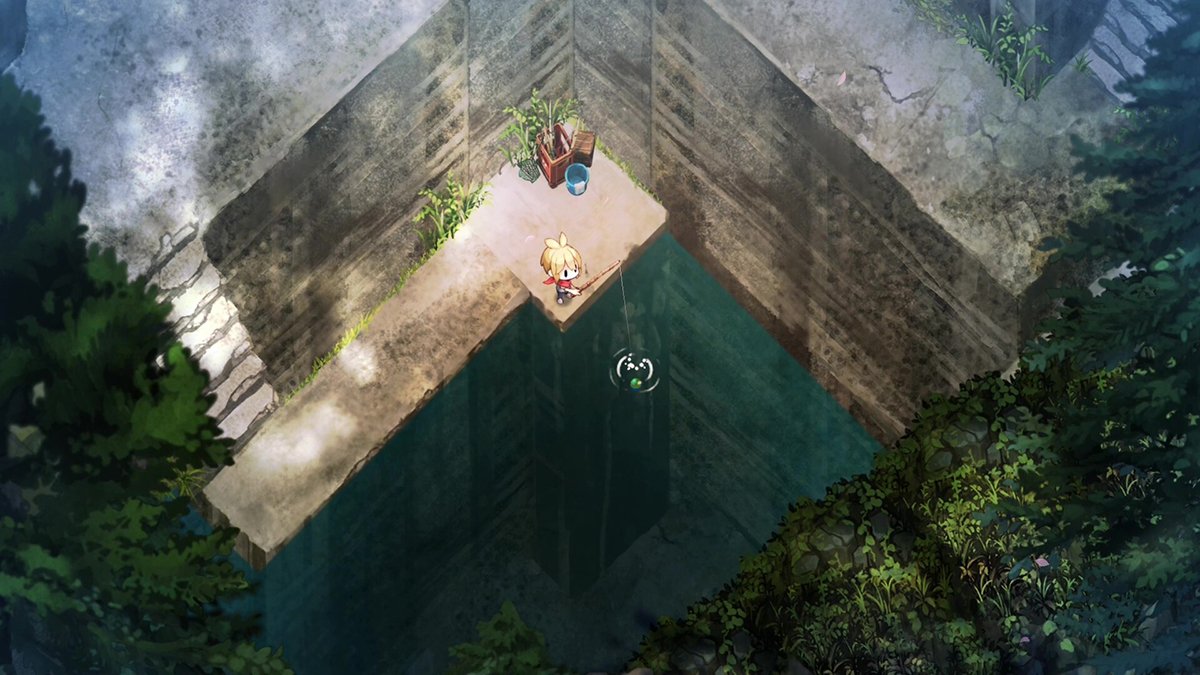
Here’s the tip that surprised me most. Fishing makes more money than farming in the early game, and it isn’t especially close.
There are three fishing spots around the village, and each one holds a different set of fish that rotates with the seasons.
Crops ask for seeds, water, time, and attention before they pay you anything. A fish pays you the moment you drop it in the shipping bin.
Farming absolutely becomes the better earner later, once you’ve picked up techniques at the shrine and started turning harvests into preserves and honey. It just won’t carry you through your first spring.
Pull your weeds or you’ll lose the crop
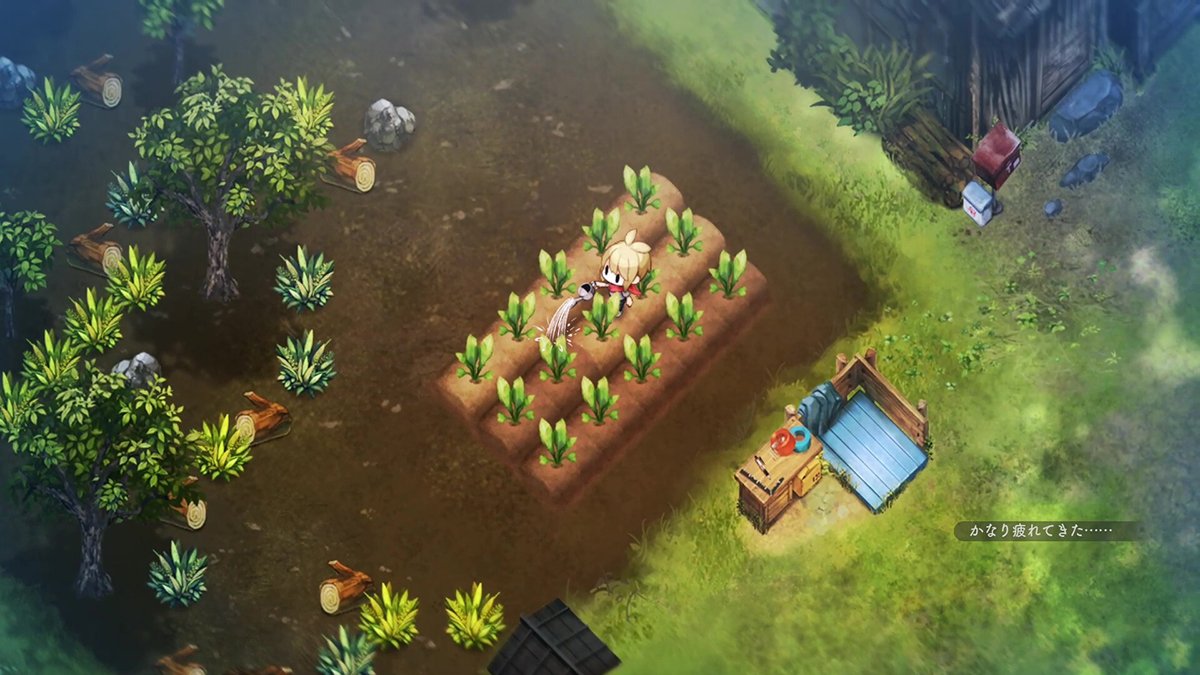
This one catches people off guard. Weeds spread across your field and will destroy planted crops if you leave them alone for too long.
So your morning has two jobs that really aren’t optional. Water everything, then clear the weeds.
Feed your animals on the same lap around the property and the whole routine takes a couple of minutes.
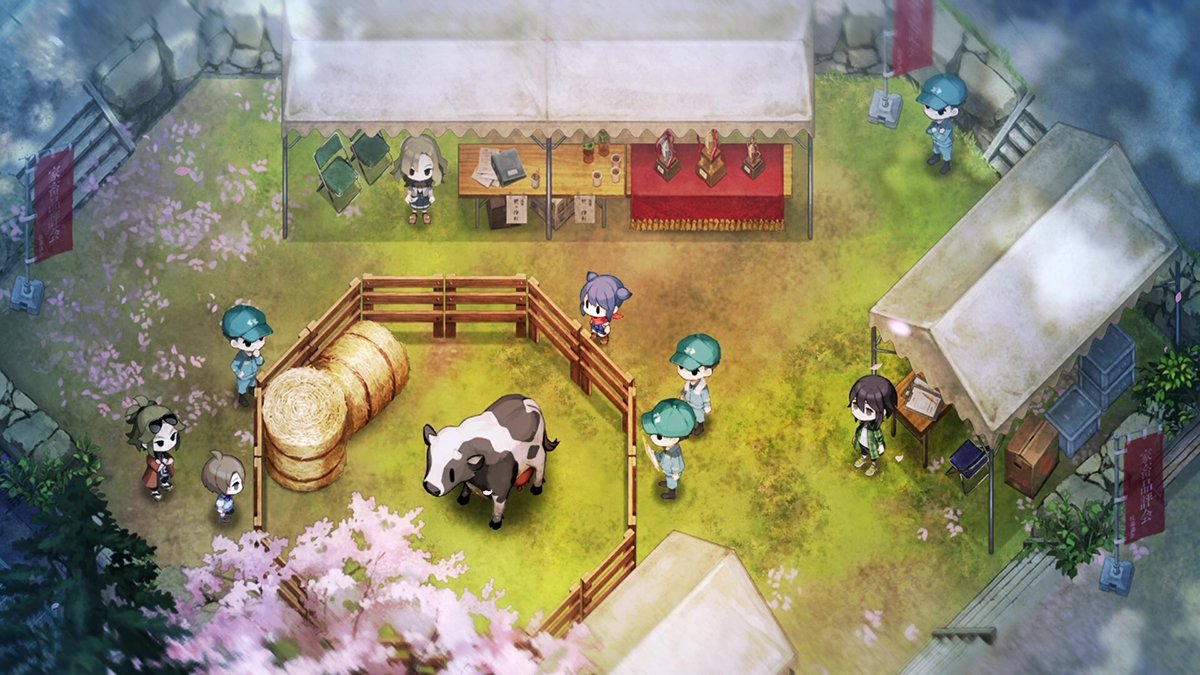
Go to bed with nothing left
Stamina is the real currency in this game, not money.
Every physical action costs some, and once it’s gone you can still walk around but you can’t work. Ending a day with a full bar is time you simply don’t get back.
Eat the things you forage instead of selling them. Wild plants restore a little stamina and they’re scattered everywhere.
Around day 8 you unlock a craftable recovery pill made from common materials. Keep a stack of those in your bag permanently.
Take every quest on the board
Early money is tight, and quests are the best fix for that.
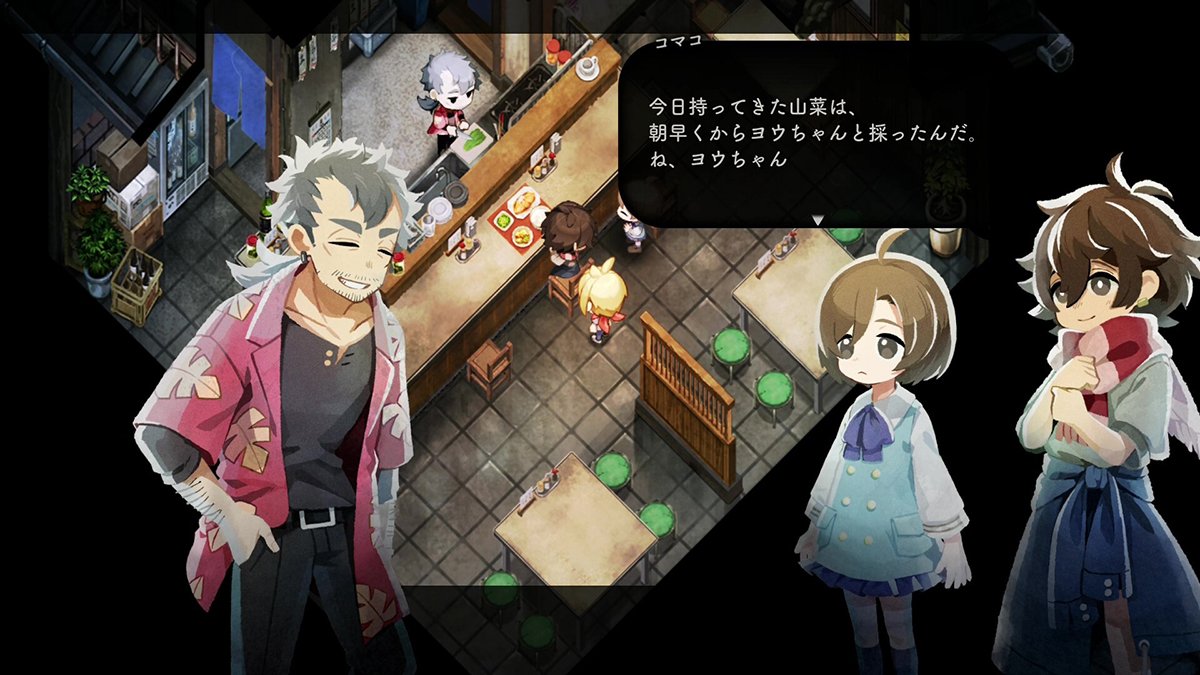
You’ll find them posted on the village bulletin board, and you’ll also trigger plenty just by talking to people.
Most of them ask you to hand over specific items. Get in the habit of holding back a few of everything rather than selling your entire haul each evening.
Daily conversations also build affection with each villager, which unlocks more quests, more events, and eventually new crafting recipes.
The shrine is your skill tree
Once the shrine opens up, you’ll start spending magatama on permanent upgrades.
Magatama are small comma-shaped beads. You’ll collect them through seasonal shrine offerings and through exploring the village at night, plus a few odder sources involving spirits.
The furrow technique for your fields is what I’d grab first, since it improves your farming from that point onward.
After that, crop growth speed and mining efficiency both pay for themselves in a hurry.
There’s also a fox shrine you can find at night. Leave fried tofu there and your maximum stamina increases permanently, which might be the best return on an item in the whole game.
What actually happens at midnight
Normally the game marches you home at 11 PM whether you like it or not.
That changes around day 20 of spring, after a character named Rin gives you a helper ticket. From then on, certain nights open the village back up.
The midnight version of Kagatsu is not the one you spent all season learning. Spirits wander the streets, and a few of them will come after you.
Bring a light source, because you genuinely cannot see otherwise. Straw dolls absorb a single hit for you, and purification salt keeps things at arm’s length.
If something starts following you, duck into tall grass and wait it out.
Your window closes at 6 AM, and the spirits themselves disappear around 5 AM. Don’t save your ghost hunting for the last hour.
One catch worth knowing ahead of time. Your fast travel whistle doesn’t work at night, so leave yourself enough time to walk home on foot.
And if you do get caught out and sent back? Nothing is lost. The game doesn’t punish you for it, which makes the whole thing far less nerve-wracking than it sounds.
If sneaking around after curfew is your favorite part, Nivalis Nights has its own version in a rainy cyberpunk city, and there CorpSec can actually fine you if you push your luck. I put together some Nivalis Nights beginner tips that cover where to sleep when the 2 AM lockdown catches you across town.
Small things that save you hours
Put a storage box right beside your workbench. You can craft straight out of storage that way instead of hauling materials back and forth.
Get your dog early, around day 6, and use the whistle to warp home the second your bag fills up.
Copper tools are your first upgrade at the forge, and they make mining and chopping noticeably quicker.
Seasons run 28 days, and your crops die when the season turns over. Count backward from day 28 before you plant anything late.
Why I’m counting down to this one
What keeps pulling me back to Village in the Shade is the shape of it.
A game that feels genuinely warm in the daylight and genuinely uneasy after dark is a hard trick to pull off. The Yomawari team is about the right group to try.
I’ll be sitting there with my Switch when the English version finally lands. Until then, at least we all know what we’re walking into.
–
Screenshots are from the Village in the Shade page on Steam and used under Fair Use.