
I have a bad habit of buying action games and then quietly never opening them again. Something about the combat always feels like homework, and I’d rather be off watering crops somewhere.
Duskfade got past that guard. I think it’s because the first thing I noticed wasn’t a health bar, it was a whole world sitting in permanent nighttime.
You play as Zirian, a young clockmaker’s apprentice. A Clock Tower has swallowed the world in endless dusk and taken his sister with it, and off you go after both.
It looks like Kingdom Hearts and it moves like Jak and Daxter, which is a sentence I genuinely did not expect to write this year. I spent my first few hours making a lot of small avoidable mistakes, so here’s everything I wish someone had told me on day one.

What kind of game is Duskfade, really?
It’s a 3D action platformer with sword combat, made by Weird Beluga and published by Fireshine Games. Think jumping, dashing, grappling, and swinging a very large clock hand at things.
You start in a hub town called Tick Town, and from there the world branches out into several big regions. Each one teaches you a new toy before it lets you leave.
It isn’t open world and it isn’t a hundred hour commitment. It’s closer to a long, comfortable weekend, though the areas are much bigger than the trailers let on.
There’s a light Metroidvania streak running through it too. Zones fold back on themselves, and old corners open up once you’ve got the right ability.

The dodge roll is basically the entire game
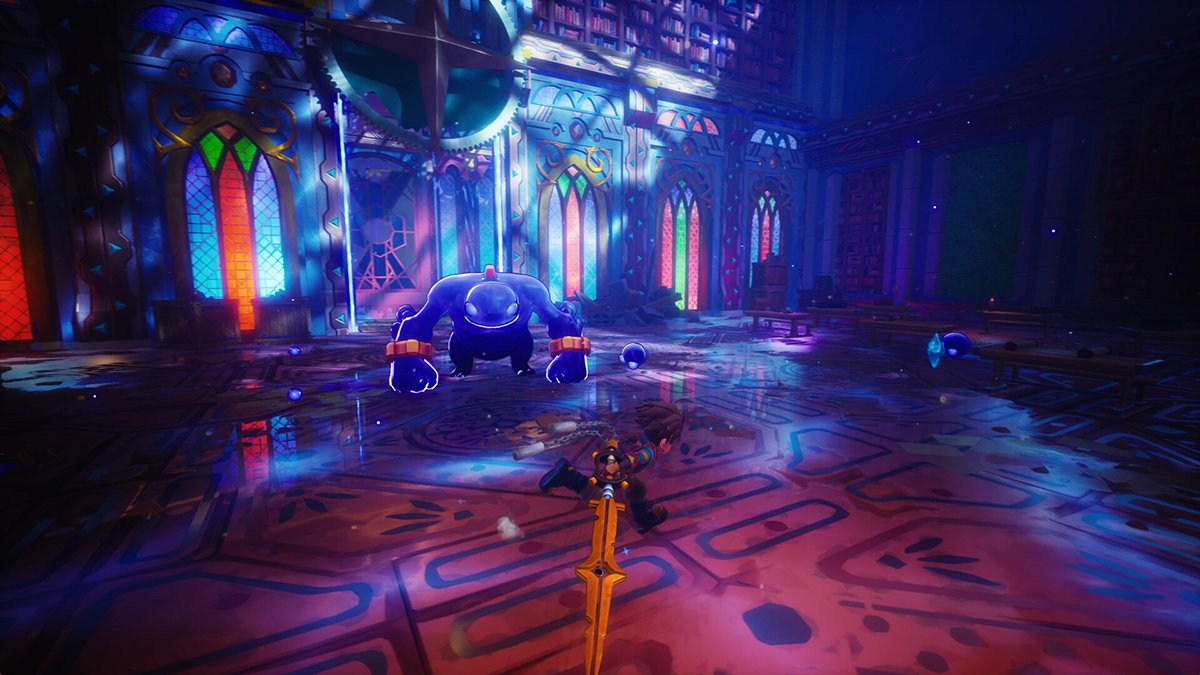
If you only remember one thing from this whole article, make it this one. A perfectly timed dodge roll freezes time for a beat and hands you a window of free hits.
The catch is that the timing is later than you think. You have to wait until the enemy’s attack is nearly on top of you, which feels deeply wrong the first fifty times you try it.
My instinct was to panic roll the second anything moved toward me. That does nothing except waste the best tool you own.
Watch the wind up, count a beat, then roll. Once it clicks, fights stop feeling like a scramble and start feeling like a rhythm.
Your sword is also a key
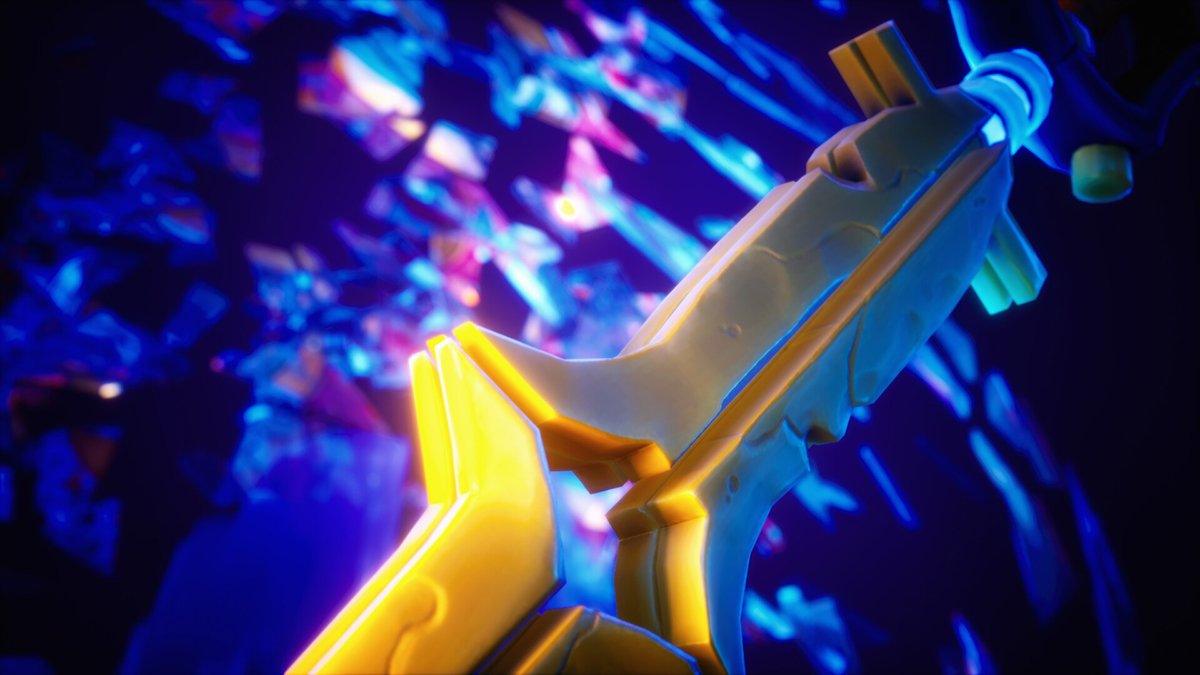
The Minutero is your clock hand sword, and it does more than fight. It opens things.
If you find a locked chest, don’t go hunting for a key or assume you’ll come back later. Just swing at it.
I walked past three sealed chests in my first region because I assumed they were locked for story reasons. They were not. They were locked because I hadn’t hit them yet.
Stop looking for the block button
There isn’t one. I kept mashing the shoulder buttons expecting a shield to pop up, because that’s what a decade of Souls-likes has done to my hands.
In Duskfade, movement is your defense. Rolling, jumping, and repositioning are all you get, and honestly it’s all you need.
You can also bat projectiles back with a well timed swing. Enemies that fling things at you from across the room become a lot less annoying once you realize you can return them.
Learn to roll out of your second jump
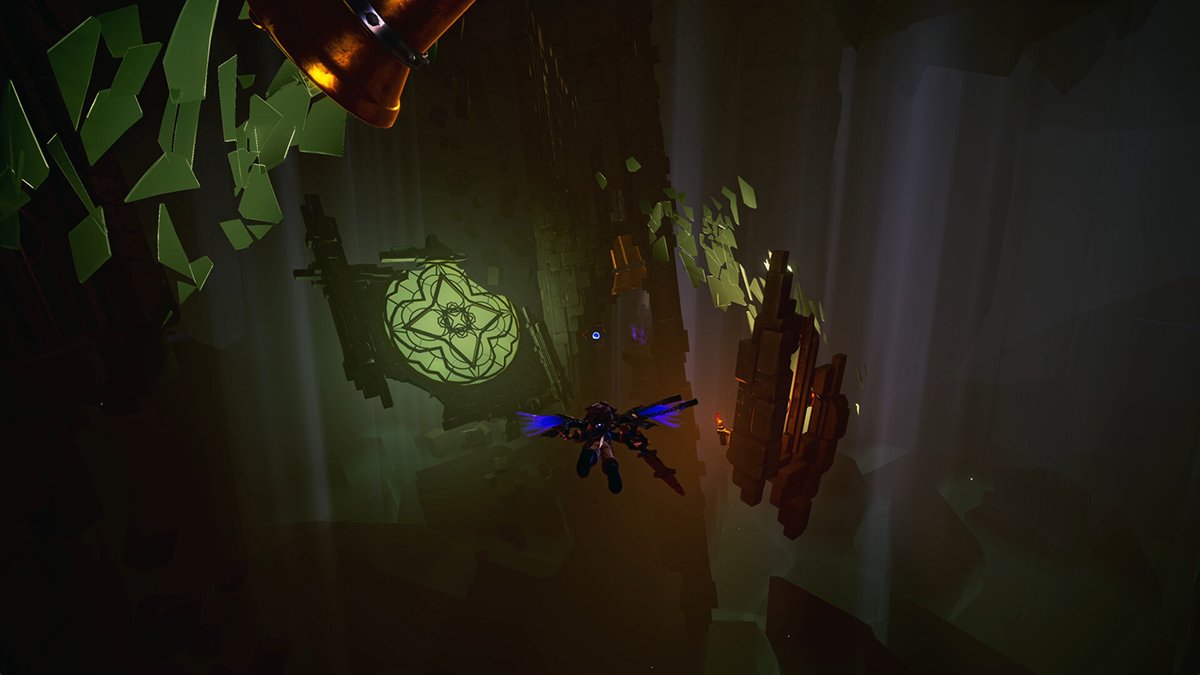
This one took me embarrassingly long to figure out. Zirian’s double jump covers a good distance, but sometimes a gap looks flatly impossible.
The answer is to dodge roll off the tail end of your second jump. It stretches your reach a surprising amount.
If a platform looks just barely out of range, it probably is out of range for a plain double jump. Try the roll before you assume you’re missing an upgrade.
Spend your gears, don’t hoard them
Gears are the currency you’ll be picking up constantly, and you trade them for upgrades to Zirian and to your Cuckoo companion.
If you’re anything like me, your instinct is to save them for something better later. Resist that.
Early upgrades make the first several hours noticeably smoother, and the game keeps handing you more gears anyway. Sitting on a pile of them helps nobody.

Check the edges of a zone before you move on
Duskfade is generous about hiding things, and the good stuff is usually tucked just off the main path. A ledge above the route you’re on, a gap behind a waterfall, that kind of thing.
Before you walk through the door that clearly ends an area, take five minutes and wander the outer edges. You’ll almost always come back with something.
I want to be clear that this is optional and not a chore. If sweeping every corner isn’t your idea of fun, the game is completely playable without it.
Some doors are supposed to be closed
This is the part that trips up a lot of people who haven’t played a Metroidvania before. You will absolutely see things you cannot reach.
That’s not a puzzle you’re failing. It means you don’t have the ability yet.
Over the course of the game you’ll pick up an air dash, a grappling hook, a heavy attack that smashes through blocked paths, and even rail grinding. Each one quietly reopens places you’d already written off.
So make a mental note and keep going. The game is very good about looping you back around.
Talk to Cuckoo, and to everyone in Tick Town
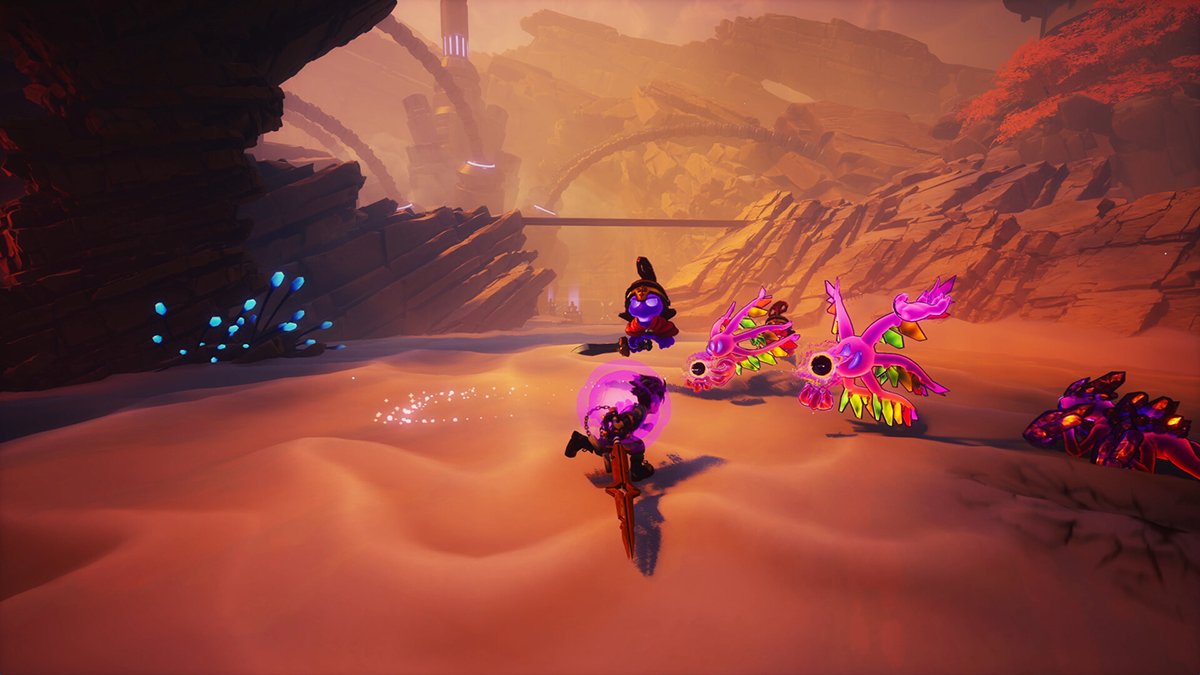
Cuckoo is your clockwork bird companion, and she’s the warmest thing in the game. The banter between her and Zirian is a big part of why the story lands.
Tick Town also refreshes its dialogue after major story beats. Popping back to the hub between chapters and chatting with people is worth the two minutes.
There are little animations for finding certain collectibles too, small moments between the two of them. They’re easy to miss if you’re speeding through.

Save your potions for boss fights
Healing feels abundant early on, to the point where you stop thinking about it. That changes.
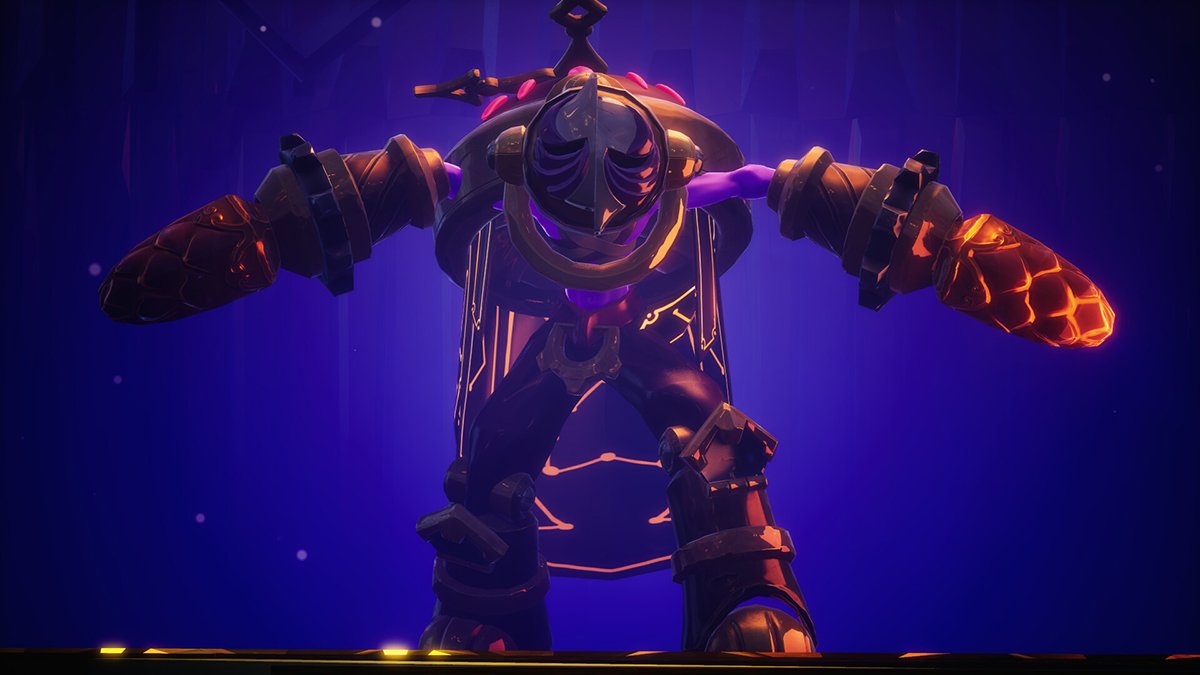
Potions get noticeably scarce in the late game, and the bosses are where you’ll actually want them.
Get comfortable relying on your dodge for regular enemies. Treat every potion as a boss fight resource and you’ll save yourself some very frustrating retries.
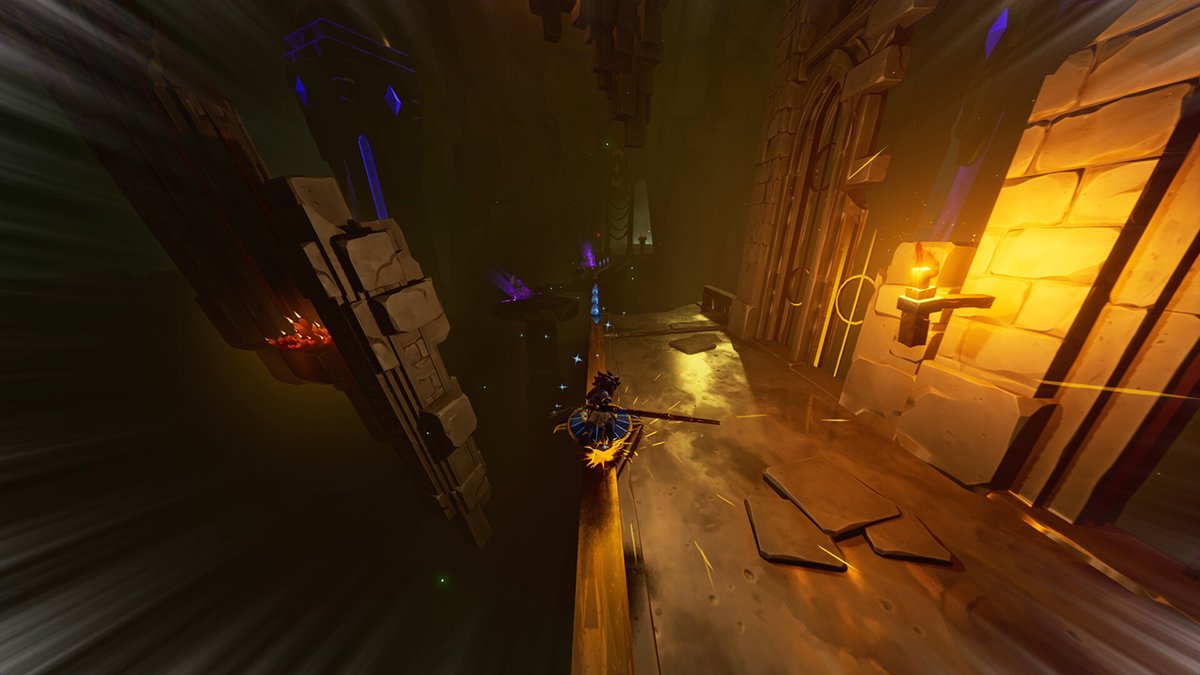
Pick up the Echoes even though nothing makes you
Echoes are audio log style collectibles scattered through the world, and they carry most of the lore about the Master Clockmakers and how the world ended up like this.
Nothing forces you to collect them and the plot works fine without. But the story is about loss and family, and the Echoes are where a lot of that quiet weight actually lives.
If you’re playing for the feeling rather than the challenge, these are the collectibles worth caring about.
Choose the difficulty that fits how you play
Duskfade offers multiple difficulty settings, and they only adjust enemy toughness. The levels and platforming stay exactly the same.
The default setting is on the forgiving side. You can dodge your way out of nearly all damage, so if you want the bosses to have teeth, bump it up before you start.
And if combat isn’t why you’re here, drop it down without a second thought. You still get the whole world, the whole story, and every bit of the platforming.

Give the platforming an hour before you judge it
I’ll be honest, the movement felt a little floaty to me at first. My first thirty minutes had a fair amount of missed ledges and mild grumbling.
Then the air dash showed up, and then the grapple, and then I was grinding rails through a clockwork mountain and grinning like an idiot.
Duskfade starts you with a fraction of your final move set on purpose. Judging it on the opening hour is like judging a game by its tutorial, which, well, that’s what it is.
There’s something funny about a game set in permanent night being this comforting to play. I kept expecting it to turn grim and it just never did.
It’s a small, sincere adventure about a kid, a clockwork bird, and a very long night. I finished it in a few evenings and I’ve been thinking about Tick Town ever since.
–
Images are from the Duskfade page on Steam and used under Fair Use.